
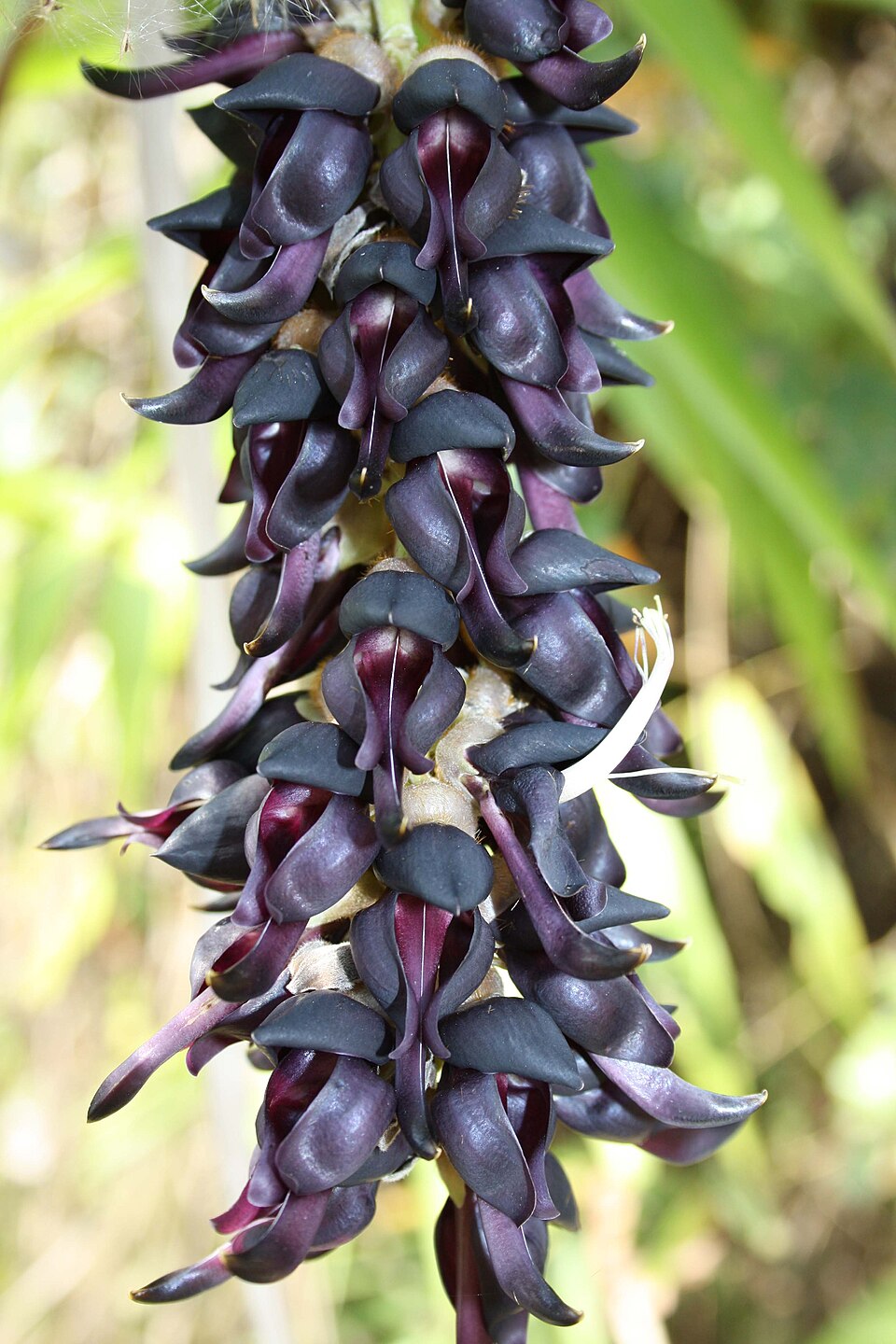
spec sheet10 rows
Mucuna pruriens, commonly called velvet bean or cowhage, is a tropical climbing legume of the family Fabaceae whose seeds are a rich natural source of levodopa (L-DOPA), the precursor of the neurotransmitter dopamine. Long used in Ayurvedic medicine, its seed extracts are marketed as dietary supplements and have been studied as a plant-based option in Parkinson disease. The plant is also notorious for the fine hairs on its pods, which cause intense itching on contact with skin.
- nature's richest seed source of levodopa
- a real lift in mood, drive and motivation
- natural dopaminergic push you can actually feel
- libido support that arrives with the dopamine
- studied as a plant based option in Parkinson's
- antioxidant seed compounds ride along
- Nausea or vomiting, especially at higher intakes
- Intense skin itching from contact with the pod hairs
- Abdominal cramping
Overview
Mucuna pruriens is a tropical and subtropical climbing legume of the bean family, Fabaceae, native to Africa and Asia and now widely cultivated and naturalized. Known by common names including velvet bean, cowhage and monkey tamarind, it is a vigorous vine grown both as a food and forage crop and, because it fixes nitrogen, as a green-manure and cover crop [1].
The plant's pharmacological interest comes from its seeds, which naturally contain a substantial amount of levodopa (L-DOPA), the biochemical precursor of the neurotransmitter dopamine, typically at a few percent of the seed by weight [1]. Mucuna has a long history in Ayurvedic medicine, where it has been used for nervous-system complaints and as an aphrodisiac, among other purposes [1]. In the modern era, the seed's levodopa content has made it a subject of interest as a natural, plant-derived source of the same active compound used pharmaceutically to treat Parkinson disease [1].
Research has explored whether Mucuna seed preparations can serve as an alternative to conventional levodopa in Parkinson disease. Small clinical studies show that Mucuna can indeed deliver levodopa and produce a motor response, but because it is taken without the peripheral enzyme inhibitor (such as carbidopa) that is normally combined with pharmaceutical levodopa, more of the drug is broken down before reaching the brain, lowering its bioavailability [2]. A further practical concern is consistency: an analysis of Mucuna dietary supplements found that their actual levodopa content varied and did not always match the labeling, which complicates reliable use [3]. Mucuna is sold as a dietary supplement rather than as an approved medicine, and it is not standardized in the way a prescription drug is [3].
Separate from its seeds, the plant is well known for the stinging hairs that cover its seed pods, which cause an intense itch on skin contact; this reaction is used as a research model for itching that does not depend on histamine [4]. Ingesting large amounts of the raw bean can also cause nausea, vomiting, abdominal cramping and cardiovascular effects such as irregular heartbeat and low blood pressure [1].


Mechanism
The neurological effects of Mucuna pruriens are attributed chiefly to the levodopa contained in its seeds. Levodopa is able to cross the , and once in the brain it is converted by the enzyme aromatic L-amino acid decarboxylase into , replenishing the dopamine that is progressively lost in Parkinson disease and thereby easing the movement symptoms of the condition [1][2].
Pharmaceutical levodopa is almost always given together with a peripheral decarboxylase inhibitor such as carbidopa, which stops the drug from being converted to in the body before it reaches the brain; because Mucuna seed extracts supply levodopa without such an inhibitor, a larger share is metabolized peripherally, reducing the amount that reaches the brain and potentially increasing side effects like nausea [2]. The plant's characteristic itch works by a different mechanism entirely: the pod hairs contain a cysteine protease called mucunain, which activates protease-activated receptors on skin sensory nerves to trigger a -independent form of itch, and the hairs also carry [4].
receptor fingerprint
synthesisprecursor (L-DOPA)
Mood and motivationenhances
Libido / sexual functionsupports
Growth hormone / prolactin axismodulates
Dosingtypical ranges, not medical advice
interested in protocols and clinical dosages? make an account to see them! ^_^
Safetyrisks and cautions, not medical advice
Because it's genuinely dopaminergic, side effects mirror low-dose levodopa: nausea, dyskinesia-like effects at high doses, insomnia, and, with chronic heavy use, potential receptor downregulation. It can interact dangerously with MAOIs, and it shouldn't be combined with Parkinson's medications or other dopaminergic drugs without medical oversight. People with psychiatric conditions, on antipsychotics, or with cardiovascular issues should be cautious. Cycling is strongly advised rather than continuous daily use.
Subjective profileweighing the evidence above
A legit natural dopaminergic for mood, drive, and libido, but treat it like the mild drug it is; cycle it, don't hammer it every day, and skip it if you're on dopaminergic meds.
Where to buy
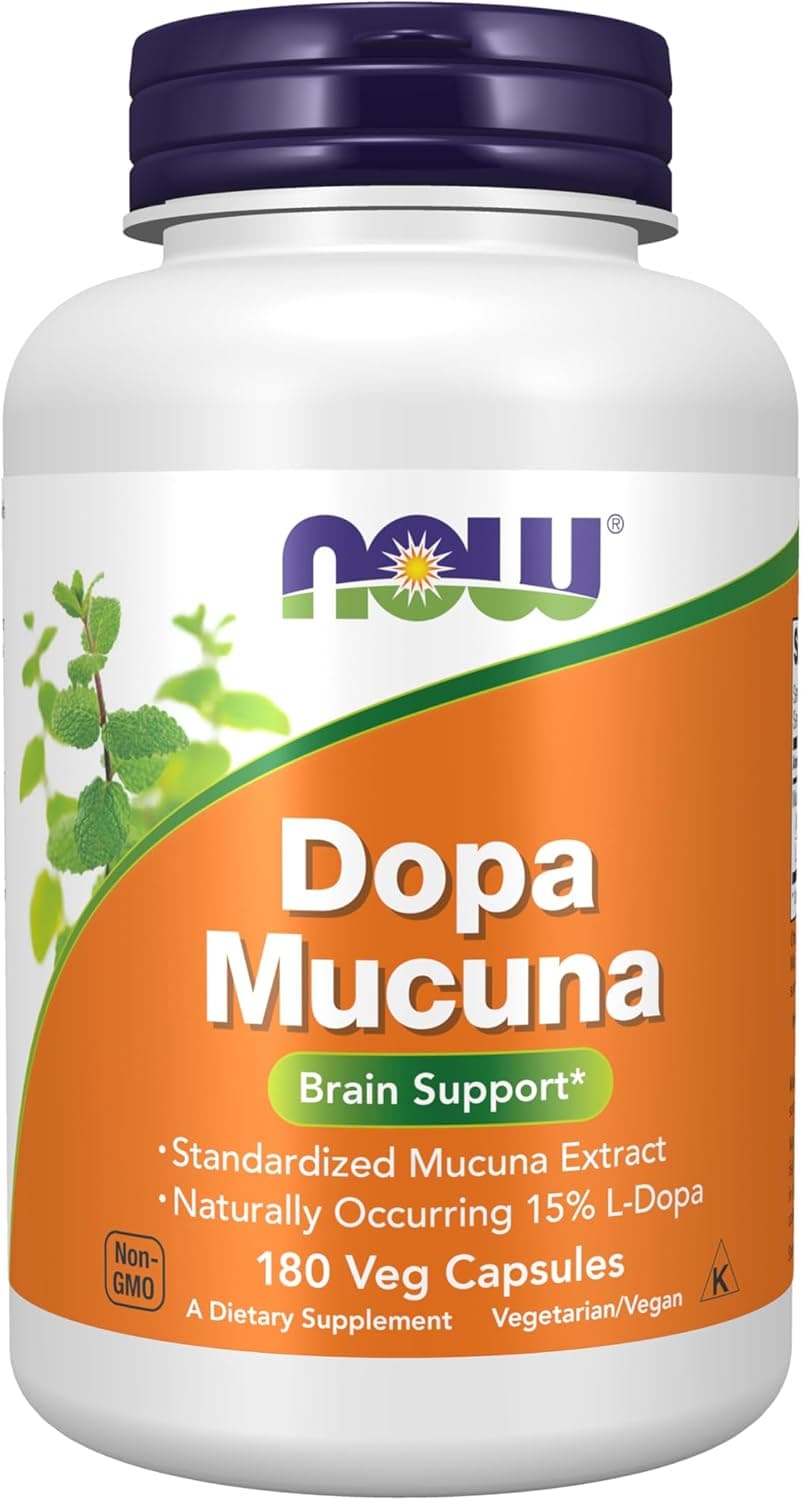
2 other outlets

Suppliers
Vendors carrying Mucuna Pruriens, with live product details and codes. Links are affiliate links that support the wiki at no cost to you.
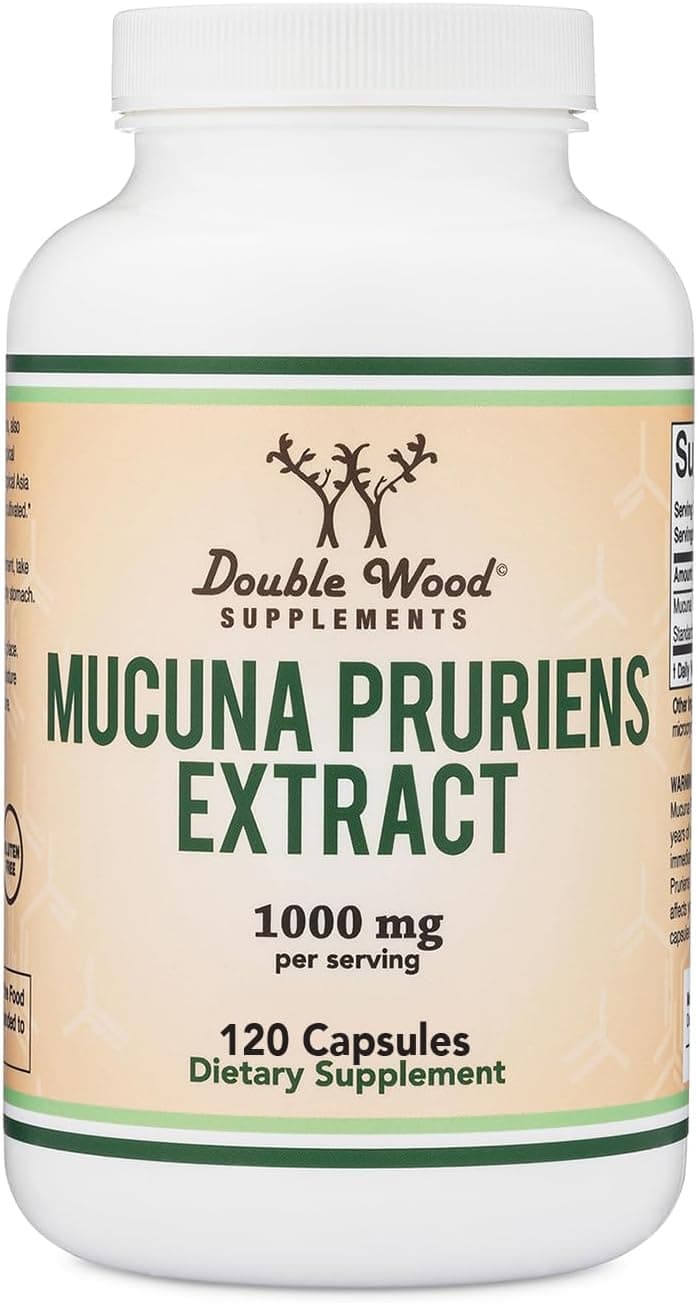
Amazon
Mucuna Pruriens
Amazon
Mucuna Pruriens
iHerb
Mucuna Pruriens
Research
- 2008first citedCowhage-evoked itch is mediated by a novel cysteine protease: a ligand of protease-activated re…
- 2022most recentLevodopa Content of Mucuna pruriens Supplements in the NIH Dietary Supplement Label Database.
- 1.Mucuna pruriens in Parkinson's and in some other diseases: recent advancement and future prospective.
- 2.Mucuna pruriens in Parkinson Disease: A Kinetic-Dynamic Comparison With Levodopa Standard Formulations.
- 3.Levodopa Content of Mucuna pruriens Supplements in the NIH Dietary Supplement Label Database.
- 4.Cowhage-evoked itch is mediated by a novel cysteine protease: a ligand of protease-activated receptors.
4 listed here; entry last updated August 2026
Reviews
My notesprivate to this device
FAQ
Does Mucuna really contain the Parkinson's drug?
Yes, its active is L-DOPA, the same molecule as levodopa. That's why it actually works and why you should treat it with respect.
Should I cycle it?
Definitely. Chronic daily L-DOPA can downregulate dopamine signaling, so short blocks or a few days on and off is the smarter approach.
Why does standardization matter so much?
The whole point is the L-DOPA dose. An extract standardized to 15 to 20 percent lets you dose accurately; unstandardized powder is unpredictable.
Can I take it with an antidepressant?
Be very careful. Combining with MAOIs is dangerous, and mixing with other dopaminergic or serotonergic drugs needs medical oversight.
Will it help libido?
Often yes, since dopamine drives sexual motivation. Many people take it partly for that reason.
Adverse effects
- Nausea or vomiting, especially at higher intakes
- Intense skin itching from contact with the pod hairs
- Abdominal cramping
- Dizziness or low blood pressure
- Irregular heartbeat with large amounts
- Levodopa content of supplements can vary from what the label states