
data + articles · 3 listed
newest 2015spec sheet12 rows
N-Acetyl L-Tyrosine (NALT) is an acetylated, more water-soluble form of the amino acid L-tyrosine, originally introduced as a tyrosine source for intravenous nutrition. It is widely marketed as a nootropic on the premise that tyrosine is the precursor of the catecholamine neurotransmitters dopamine and norepinephrine. However, human and animal studies indicate that N-Acetyl L-Tyrosine is converted to free tyrosine inefficiently, with much of an infused dose excreted unchanged in the urine.
- focus that holds up under stress and load
- a tyrosine source for dopamine and noradrenaline
- dissolves instantly; built for liquids and shots
- originally made for IV nutrition, so it is clean
- very low side effect risk at normal amounts
- Headache
- Mild nausea
Overview
N-Acetyl L-Tyrosine is L-tyrosine carrying an acetyl group on its amino nitrogen. Plain tyrosine dissolves poorly in water, which historically complicated efforts to supply it in parenteral nutrition solutions, and the acetylated derivative was adopted partly because it is far more soluble [1][2]. Before the body can use the molecule for protein synthesis or as a precursor, the acetyl group must be removed, and the efficiency of that release is the central question surrounding NALT [1].
Metabolic studies have repeatedly found N-Acetyl L-Tyrosine to be a poor tyrosine source. In neonatal piglets receiving total parenteral nutrition, roughly two thirds of the administered acetyltyrosine appeared unchanged in the urine, confirming its low bioavailability compared with alternatives such as glycyltyrosine [2]. In humans, a study comparing tyrosine-donating compounds reported that plasma tyrosine did not rise after N-acetyltyrosine infusion and that about 60 percent of the dose was excreted, whereas dipeptide forms were used far more effectively [1]. These results reflect limited activity of the enzymes that deacetylate the molecule.
Despite these limitations, N-Acetyl L-Tyrosine is sold as a dietary supplement and included in nootropic and pre-workout blends, where it is promoted as a stable, soluble delivery form of tyrosine. The rationale rests on research into tyrosine itself; as the precursor to dopamine and norepinephrine, supplemental tyrosine can support cognitive performance in demanding or stressful situations where catecholamine turnover is high, although benefits are inconsistent and appear limited to conditions of transient neurotransmitter depletion [3]. Because most of that evidence used free tyrosine rather than the acetylated form, it does not necessarily transfer to NALT, and no strong data establish that oral N-Acetyl L-Tyrosine raises tyrosine levels more effectively than tyrosine itself.

Mechanism
Any central effect of N-Acetyl L-Tyrosine depends on its conversion to free L-tyrosine, which crosses the and is taken up by catecholaminergic neurons. There tyrosine is converted by to L-DOPA and onward to , and in noradrenergic neurons to , so increasing tyrosine availability can raise catecholamine synthesis when neuronal firing has depleted these transmitters [3]. The rate-limiting step for NALT specifically is deacetylation; because human enzyme activity toward N-acetyltyrosine is low, a large fraction is cleared by the kidneys before it can be hydrolyzed, which blunts the expected rise in plasma tyrosine [1][2]. In practical terms, its usefulness is constrained less by tyrosine's own pharmacology than by how little of the acetylated molecule is actually unmasked [1].
receptor fingerprint
pathwayprovides substrate
levelssupports
levelssupports
Deacetylation enzymessubstrate
Dosingtypical ranges, not medical advice
interested in protocols and clinical dosages? make an account to see them! ^_^
Safetyrisks and cautions, not medical advice
Generally very safe with mild possible side effects like headache, nausea, or jitteriness at high doses. It can interact with thyroid medication and MAOIs, and people with hyperthyroidism should be cautious. Not much long-term data but the parent amino acid is a normal dietary component.
Subjective profileweighing the evidence above
Fine, but regular L-Tyrosine is the better buy. Use NALT if solubility matters to you.
Where to buy
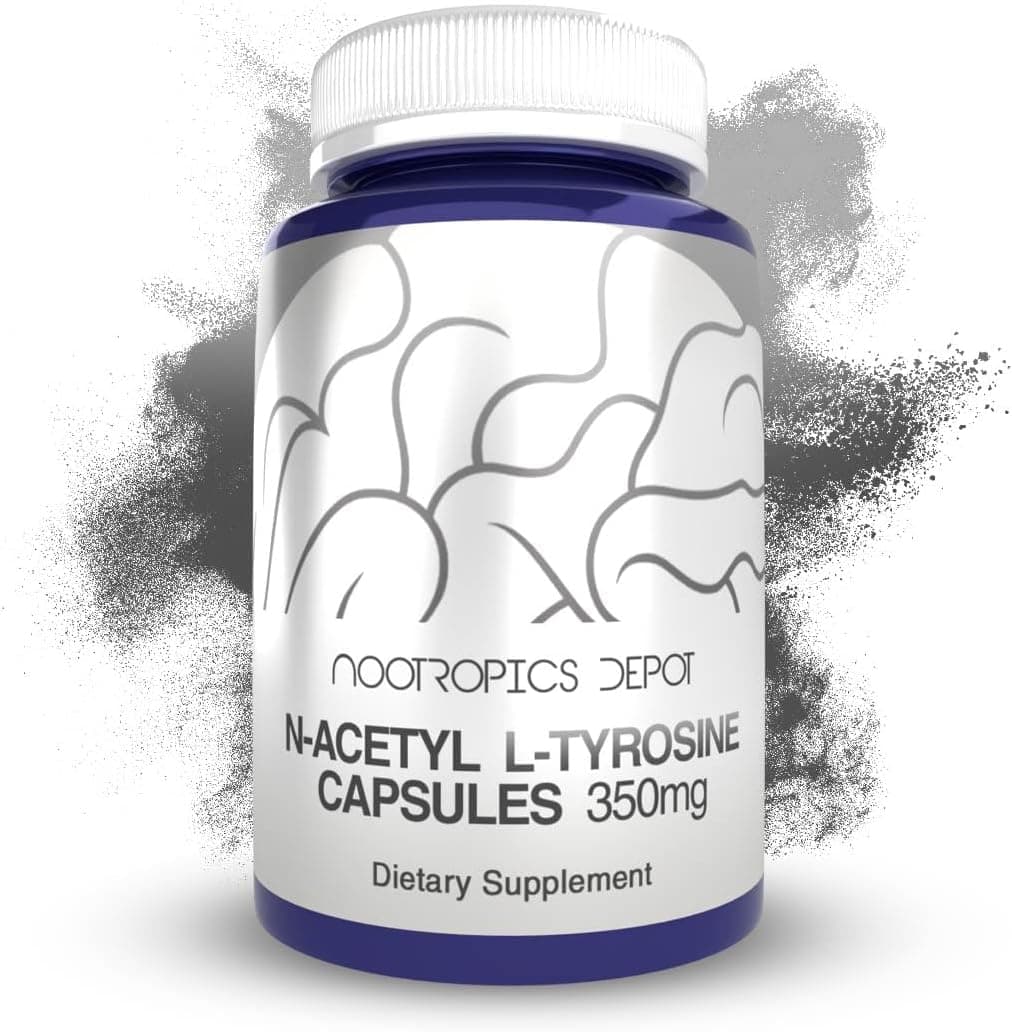
1 other outlet

Suppliers
Vendors carrying N-Acetyl L-Tyrosine (NALT), with live product details and codes. Links are affiliate links that support the wiki at no cost to you.
Amazon
N-Acetyl L-Tyrosine
iHerb
N-Acetyl L-Tyrosine
Research
- 1991first citedUtilization of tyrosine dipeptides and acetyltyrosine in normal and uremic humans
- 2015most recentEffect of tyrosine supplementation on clinical and healthy populations under stress or cognitiv…
- 1.Utilization of tyrosine dipeptides and acetyltyrosine in normal and uremic humans
- 2.Aromatic amino acid metabolism of neonatal piglets receiving TPN: effect of tyrosine precursors
- 3.Effect of tyrosine supplementation on clinical and healthy populations under stress or cognitive demands: a review
3 listed here; entry last updated August 2026
Reviews
My notesprivate to this device
FAQ
Is NALT better than L-Tyrosine?
It is more soluble, but the acetyl group has to be removed to be useful and that conversion is inefficient, so plain tyrosine is often preferred.
Does it work at baseline?
The clearest benefits show up under stress, sleep loss, or cold, not so much when you are already rested and relaxed.
Can it replace stimulants?
No, it is a gentle precursor, not a stimulant. It supports rather than forces dopamine release.
When should I take it?
Before the demanding period, on an empty stomach so it does not compete with other amino acids for absorption.
Is it safe daily?
For most people yes, but watch out if you have thyroid issues or take MAOIs.
Adverse effects
- Headache
- Mild nausea
Notes and cautions
- Poorly converted to free tyrosine
- Much of a dose excreted unchanged in urine