
spec sheet10 rows
Budesonide + Formoterol is a fixed-dose combination inhaler that pairs budesonide, an inhaled corticosteroid, with formoterol, a fast-acting long-acting beta-2 agonist. It is used to control asthma and chronic obstructive pulmonary disease (COPD), both as regular maintenance treatment and, in some regimens, as an as-needed reliever. Marketed under brand names such as Symbicort, it received United States approval in 2006 and is on the World Health Organization's List of Essential Medicines.
- Opens tight airways within minutes of the first puff
- Treats the inflammation underneath asthma, not just the symptom
- Fewer flare ups; fewer nights sitting up breathing hard
- Eases COPD breathlessness day to day
- One inhaler doing maintenance and reliever duty
- WHO essential medicine; among the best validated inhalers made
- Throat irritation or cough
- Tremor or shakiness
- Faster or pounding heartbeat
Overview
Budesonide and formoterol is a fixed-dose combination medicine delivered by inhaler and used in the long-term management of asthma and chronic obstructive pulmonary disease. It brings together two drugs with complementary actions; budesonide is an inhaled corticosteroid that reduces airway inflammation, while formoterol is a long-acting beta-2 agonist that relaxes the muscle around the airways and, unusually for its class, begins to work quickly [1][4]. It is sold under brand names including Symbicort and DuoResp Spiromax.
The combination received United States Food and Drug Administration approval in 2006, is listed on the World Health Organization's List of Essential Medicines, and has been available as a generic since the early 2020s. It ranks among the more commonly prescribed medicines in the United States [1]. Because formoterol acts rapidly as well as durably, a single inhaler can serve both to prevent symptoms and to relieve them.
The medicine is used as regular maintenance therapy to prevent asthma attacks and to ease airflow obstruction in COPD. A distinctive approach called single maintenance and reliever therapy, often abbreviated SMART or MART, uses one budesonide/formoterol inhaler for both scheduled dosing and on-demand symptom relief [4]. Randomized trials and meta-analyses in people with asthma have found that budesonide/formoterol regimens can lower the risk of severe exacerbations compared with a conventional inhaled corticosteroid plus a separate short-acting reliever [1][2][3]. Interest has also grown in extending the maintenance-and-reliever concept beyond asthma [5].
The two components act on different targets; the corticosteroid dampens the underlying inflammation that makes airways twitchy, and the beta-2 agonist opens the airways by relaxing bronchial smooth muscle [4]. The combination is supplied in metered-dose and dry-powder inhalers in various strengths. Earlier concerns that long-acting beta-2 agonists might raise the risk of serious asthma events were addressed and eased by later safety reviews [1].
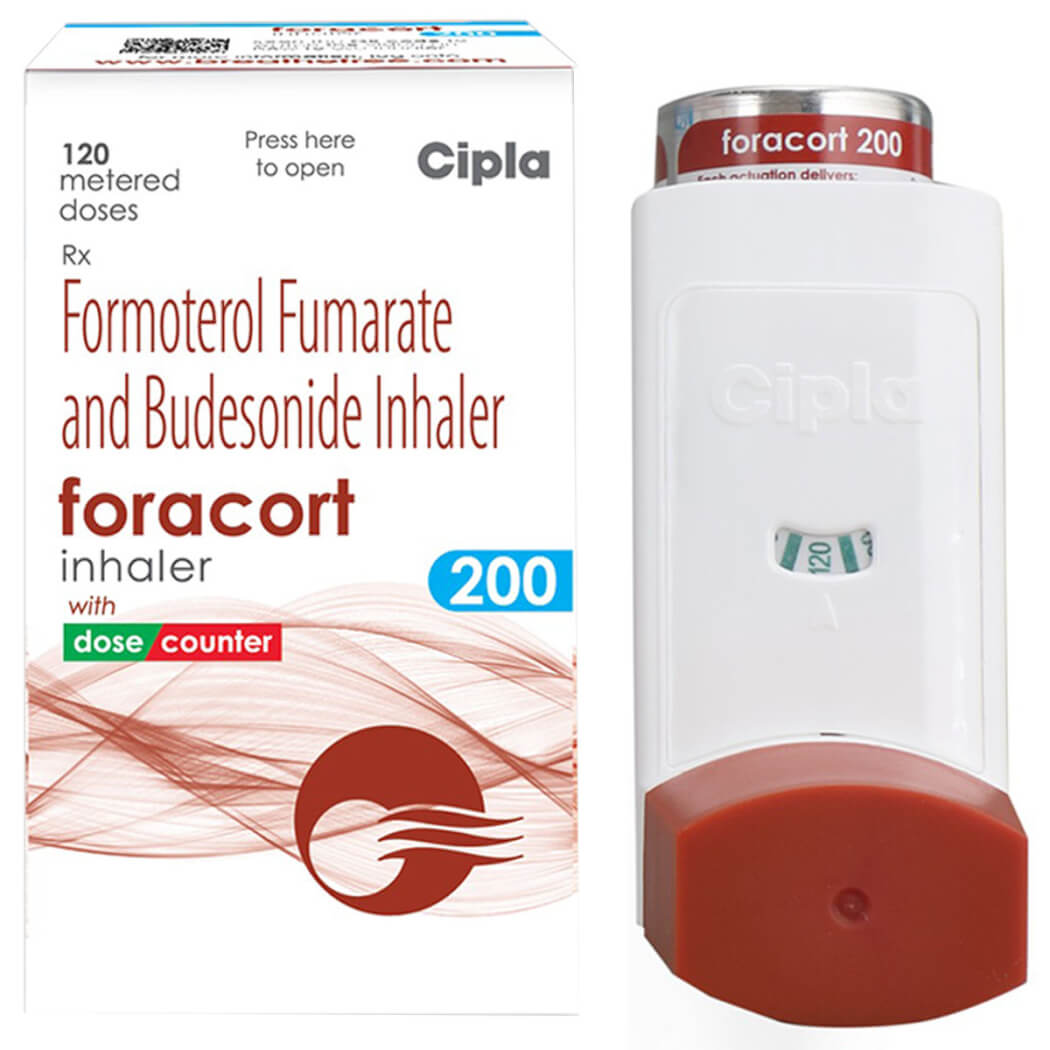
- Unlike older long-acting bronchodilators, formoterol works fast enough that a budesonide-formoterol inhaler can double as a rescue inhaler, delivering a dose of anti-inflammatory steroid with every puff of relief.
- The budesonide-formoterol combination appears on the World Health Organization's List of Essential Medicines, marking it as a medicine considered vital to basic health systems.
Mechanism
Budesonide and formoterol combine two mechanisms in one inhaler. Budesonide is a glucocorticoid that enters airway cells and tempers the inflammatory response, reducing the swelling, mucus, and hyperresponsiveness that drive asthma and COPD symptoms [1][4]. Formoterol is a beta-2 that binds beta-2 receptors on bronchial smooth muscle and relaxes it, widening the airways; unlike older long-acting agonists it has a rapid onset, so it can relieve symptoms soon after inhalation as well as provide lasting bronchodilation [4]. Using both together addresses inflammation and airway constriction at the same time, which is the rationale behind maintenance and reliever therapy that reduces severe flare-ups [1][2][3].
receptor fingerprint
Beta-2 receptor (formoterol)agonist
Glucocorticoid receptor (budesonide)activates
Adenylate cyclase / cyclic AMPactivates
Inflammatory gene transcription (NF-kB pathway)inhibits
Bronchial hyperreactivitymodulates
Dosingtypical ranges, not medical advice
interested in protocols and clinical dosages? make an account to see them! ^_^
Safetyrisks and cautions, not medical advice
This is a prescription inhaler. The most common issues come from the steroid settling in the mouth and throat: hoarseness, throat irritation, and oral thrush, which rinsing your mouth after each dose helps prevent. Formoterol can cause tremor, a faster or pounding heartbeat, headache, and, at high doses, low potassium. A long-acting beta-agonist should never be used on its own for asthma, which is exactly why it is paired with the steroid here. It is not a rescue inhaler for a sudden severe attack that needs a fast bronchodilator alone, and people with certain heart rhythm problems should use it cautiously.
History
Budesonide, an inhaled corticosteroid, and formoterol, a rapid-onset long-acting beta-2 agonist, were each established respiratory drugs before being combined in a single inhaler. Their fixed-dose pairing, best known under the brand name Symbicort, brought together anti-inflammatory and bronchodilator actions in one device and received United States approval in 2006. The combination later became central to the concept of single maintenance and reliever therapy, in which the same inhaler is used both regularly and as needed for symptom relief. It is now included on the World Health Organization's List of Essential Medicines, reflecting its broad importance in asthma and chronic obstructive pulmonary disease care.
Reputation
Budesonide plus formoterol is widely regarded as a landmark in inhaled therapy, chiefly because it enabled the maintenance-and-reliever approach now endorsed by major asthma guidelines. Because formoterol acts quickly as well as durably, patients can use one inhaler for both daily control and immediate relief, and meta-analyses report meaningful reductions in severe exacerbations with this strategy. Clinicians appreciate that it delivers anti-inflammatory coverage every time a patient reaches for symptom relief, addressing a long-standing gap in reliever-only rescue use. Its strong evidence base and essential-medicine status make it one of the most trusted combination inhalers available, though correct inhaler technique and adherence remain important to its success.
Subjective profileweighing the evidence above
One of the best-validated inhalers in respiratory medicine, treating the inflammation underneath asthma and COPD while opening the airways within minutes. It is not a standalone rescue inhaler, the beta-agonist half should never be used alone, and rinsing your mouth after each dose prevents most of the trouble.
Where to buy
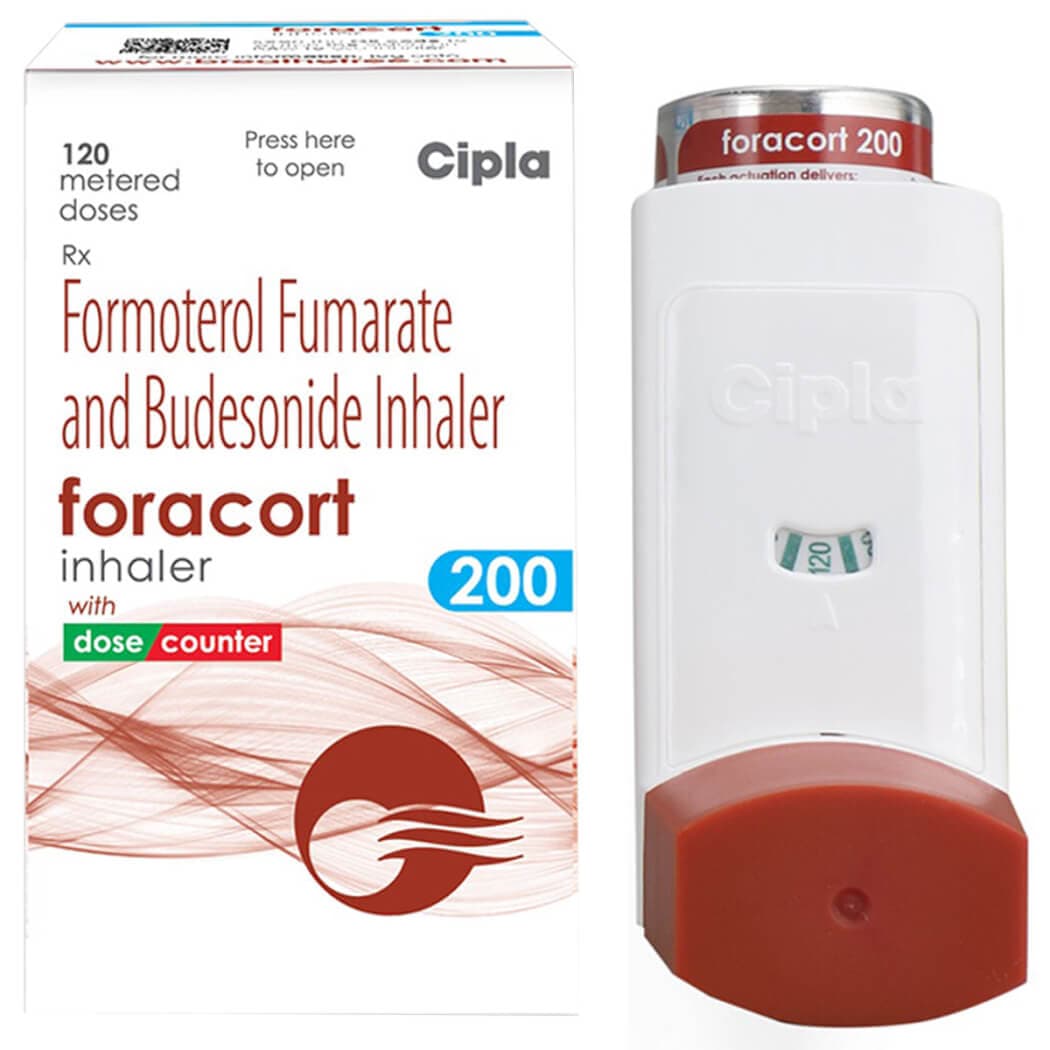
Suppliers
Vendors carrying Budesonide + Formoterol, with live product details and codes. Links are affiliate links that support the wiki at no cost to you.
PCT.Zone
Budesonide + Formoterol
Research
- 2018first citedAs-Needed Budesonide-Formoterol versus Maintenance Budesonide in Mild Asthma
- 2023most recentICS/formoterol maintenance and reliever therapy: how far beyond asthma?
- 1.Evaluation of Budesonide-Formoterol for Maintenance and Reliever Therapy Among Patients With Poorly Controlled Asthma: A Systematic Review and Meta-analysis
- 2.Budesonide-formoterol reliever therapy versus maintenance budesonide plus terbutaline reliever therapy in adults with mild to moderate asthma (PRACTICAL): a 52-week, open-label, multicentre, superiority, randomised controlled trial
- 3.As-Needed Budesonide-Formoterol versus Maintenance Budesonide in Mild Asthma
- 4.A Practical Guide to Implementing SMART in Asthma Management
- 5.ICS/formoterol maintenance and reliever therapy: how far beyond asthma?
5 listed here; entry last updated August 2026
Reviews
My notesprivate to this device
FAQ
Is Symbicort a rescue inhaler?
In some countries budesonide/formoterol is approved for both daily control and quick relief because formoterol acts fast, but a separate rescue inhaler may still be advised; follow your prescribed plan.
Why do I need to rinse my mouth after using it?
Rinsing washes away steroid left in your mouth and throat, which lowers the chance of oral thrush and hoarseness.
Can it be used for COPD too?
Yes; the same combination is used as maintenance therapy for chronic obstructive pulmonary disease, not just asthma.
How long until it controls my asthma?
The bronchodilator opens airways within minutes, but the steroid's full anti-inflammatory benefit builds over one to two weeks of regular use.
Is it safe to use every day?
Yes, daily use is the point of maintenance therapy; the inhaled steroid dose is low and mostly stays in the lungs.
Adverse effects
- Throat irritation or cough
- Tremor or shakiness
- Faster or pounding heartbeat
- Headache
Notes and cautions
- Oral thrush or a hoarse voice from the inhaled steroid