
spec sheet9 rows
Tremella fuciformis, commonly called snow fungus or silver ear, is a gelatinous white jelly fungus in the family Tremellaceae, valued as both a food and a traditional remedy in East Asia [1]. It is cultivated widely and used in Chinese and other Asian cuisines, typically in sweet dessert soups, and it is studied for bioactive polysaccharides linked to effects on skin hydration, immunity, and cognition [2][3]. As a food-derived fungus, it is generally treated as a culinary or supplemental ingredient rather than a drug.
- Supports skin hydration
- Nudges BDNF-like signaling
- Calms neuroinflammation
- May aid memory and healthy aging
- Gentle nootropic mushroom
- As with any mushroom, allergic reactions are possible in sensitive individuals
Overview
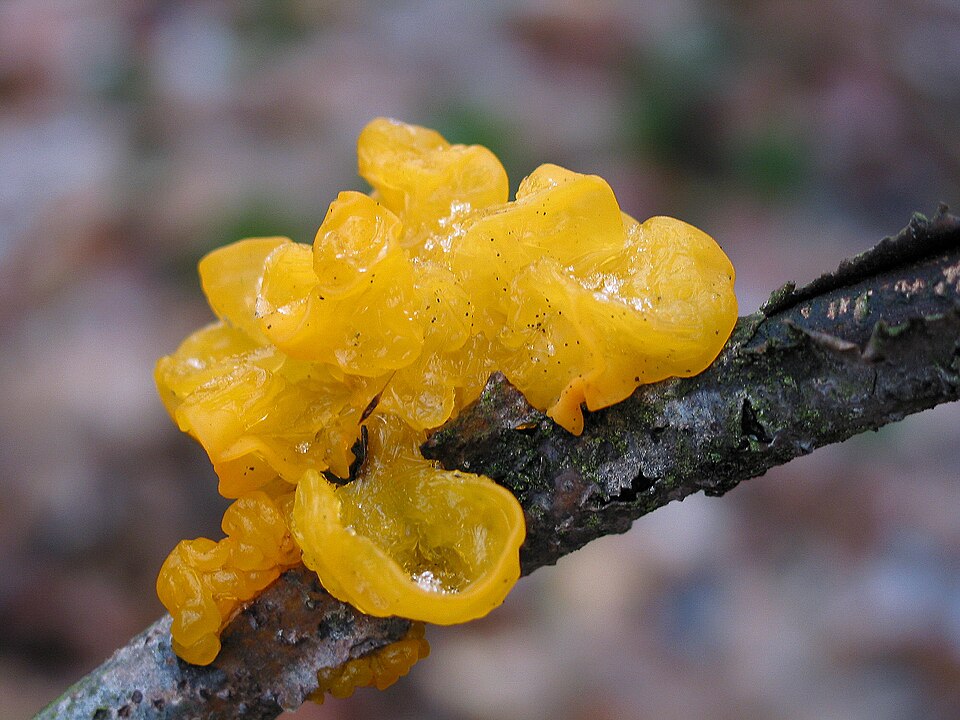
Tremella fuciformis is a species of jelly fungus that produces soft, translucent, white fruiting bodies with frilled, seaweed-like fronds up to several centimeters across [1]. It belongs to the phylum Basidiomycota and the family Tremellaceae and was first formally described in 1856. In nature it grows on the dead branches of broadleaf trees, where it lives in association with another fungus of the genus Annulohypoxylon, a relationship that commercial growers reproduce by co-culturing the two fungi on a sawdust substrate. The species is found across tropical and subtropical regions, extending into temperate parts of Asia and the Americas, and its common names include snow fungus, silver ear, and white jelly mushroom.
Snow fungus has a long history as a food, especially in China, where it is prized for its gelatinous, slightly crunchy texture rather than any strong flavor and is usually prepared in sweet dishes; a classic example is a dessert soup simmered with rock sugar, jujube dates, and dried longan [1]. It also appears in Vietnamese sweet soups and drinks. In traditional Chinese medicine it has been used as a tonic said to nourish the lungs and the skin. Large-scale cultivation, which expanded greatly during the twentieth century, has made it an inexpensive and widely available ingredient.
Modern research on Tremella fuciformis centers on its polysaccharides, complex sugars that make up much of the fungus and give it its jelly-like character; these are studied as the main bioactive components [2][3]. Laboratory work has characterized Tremella polysaccharides as antioxidants able to scavenge reactive oxygen species, and as immunomodulators that can stimulate immune cells through receptors such as toll-like receptor 4 [2][3]. The polysaccharides are also noted for their strong water-holding capacity, which underlies interest in the fungus as a skin-hydrating and cosmetic ingredient. A small randomized, placebo-controlled trial reported that supplementation improved subjective memory and certain cognitive test scores in adults with mild self-perceived memory complaints, although such findings are preliminary [1]. Tremella is sold and consumed as a food and as a dietary supplement rather than as an approved medicine, and it is generally regarded as safe when eaten.
Mechanism
The properties attributed to Tremella fuciformis are traced mainly to its polysaccharides, large branched sugar molecules built from units such as mannose, xylose, glucuronic acid, and fucose [2][3]. These polysaccharides hold water strongly, forming the gel that gives snow fungus its texture and underlying its reputation as a moisturizing, skin-hydrating agent. In antioxidant terms, isolated Tremella polysaccharides can neutralize reactive oxygen species and hydroxyl radicals in laboratory assays, which may help protect cells and tissues from oxidative damage [2].
Their immunomodulating action has been studied in more detail: a purified Tremella polysaccharide was shown to activate macrophages and prompt the release of signaling molecules such as tumor necrosis factor-alpha and interleukin-6 by engaging toll-like receptor 4, a sensor of the innate immune system, and removing certain acetyl groups from the polysaccharide abolished this effect, indicating that fine details of the chemical structure govern the activity [3]. Proposed benefits for skin and cognition are generally attributed to a combination of this antioxidant and immune activity together with the water-binding capacity, but the human evidence remains limited and much of the mechanistic work comes from cell and animal studies [1][2].
receptor fingerprint
/ signalingupregulates
(TLR2/TLR4)modulates
/ neurite outgrowthpromotes
functionsupports
Dosingtypical ranges, not medical advice
interested in protocols and clinical dosages? make an account to see them! ^_^
Safetyrisks and cautions, not medical advice
Tremella has an excellent safety record in the human data we have, with no real contraindications at typical doses (500 to 2000 mg a day). Be cautious if you have a mushroom allergy. Its mild immune-tuning effect suggests some theoretical caution if you're on immunosuppressants (say, post-transplant), though there's no actual interaction data. Nothing hormonal, no scheduling issues, legal and easy to find worldwide.
Subjective profileweighing the evidence above
An easy yes if skin hydration is what you want: long food history, excellent safety record, no hormonal or scheduling complications, and cheap. Buy it for the skin angle and treat the memory and neuroinflammation claims as an early bonus rather than a reason. Mushroom allergy is the one caution.
Resources
This entry is here for reference.
Research
- 2018first citedEfficacy and Safety of Tremella fuciformis in Individuals with Subjective Cognitive Impairment:…
- 2022most recentAn Immunological Polysaccharide from Tremella fuciformis: Essential Role of Acetylation in Immu…
- 1.Efficacy and Safety of Tremella fuciformis in Individuals with Subjective Cognitive Impairment: A Randomized Controlled Trial.
- 2.Production, structure, and bioactivity of polysaccharide isolated from Tremella fuciformis XY.
- 3.An Immunological Polysaccharide from Tremella fuciformis: Essential Role of Acetylation in Immunomodulation.
3 listed here; entry last updated August 2026
Reviews
My notesprivate to this device
FAQ
What is Tremella?
It is an edible mushroom, sometimes called the snow fungus, known for skin and cognitive support.
Why is it called a beauty mushroom?
It is prized for its water-retaining polysaccharides, which support skin hydration.
How might it help the brain?
Research suggests it may support BDNF-like signaling and help calm neuroinflammation.
Is it a food or supplement?
It is both; it is used in cooking and also sold as a concentrated extract.
Limitations of the evidence
- Most evidence for supplemental effects comes from laboratory and small human studies, so benefits should be viewed cautiously
Adverse effects
- As with any mushroom, allergic reactions are possible in sensitive individuals
Notes and cautions
- Generally regarded as safe when eaten as a food
- In a clinical trial, side effects were mild and no more frequent than with placebo