
spec sheet8 rows
Lion's Mane is the common name for Hericium erinaceus, an edible and medicinal mushroom recognized by its cascade of long, white, icicle-like spines. Native to North America and Eurasia, it grows on hardwood trees and has long been used as food and in traditional Chinese medicine. It is now sold widely as a dietary supplement marketed for brain and nerve health, though human evidence remains limited.
- Studied for nerve growth factor support
- The cognitive mushroom everyone starts with
- Backs neuronal health and repair
- Explored for mood and mental clarity
- Neuroprotective interest with real traction
- An edible mushroom with a long traditional history
- Occasional digestive upset
- Allergic skin or breathing reactions in rare cases
Overview
Lion's Mane, scientifically Hericium erinaceus, is a mushroom in the family Hericiaceae, also known as the bearded tooth fungus, hedgehog mushroom, or by its Japanese name yamabushitake. Instead of a conventional cap and gills, its fruiting body forms a rounded white mass covered in soft, dangling spines that give it the shaggy look behind its common name. It is saprotrophic, feeding on dead and dying hardwoods such as oak, maple, and beech, and it is found across the temperate forests of North America and Eurasia.
The mushroom is edible and prized in cooking, where its texture and mild, seafood-like flavor have earned it a place in gourmet cuisine, and it is a good source of protein and dietary fiber. Its interest to researchers comes from its distinctive natural compounds, including polysaccharides such as beta-glucans and two families of small molecules named hericenones, found in the fruiting body, and erinacines, found in the mycelium [1]. These last two groups have drawn particular attention for their possible effects on the nervous system.
Laboratory studies have shown that hericenones and erinacines from Lion's Mane can prompt nerve cells to produce nerve growth factor, a protein essential for the growth, maintenance, and survival of neurons, and extracts of the mushroom promote the outgrowth of nerve fibers in cultured cells [2]. This has fueled interest in the mushroom for supporting memory, mood, and nerve repair. A widely cited Japanese clinical trial reported that older adults with mild cognitive impairment who took Lion's Mane scored better on a cognitive scale than those given a placebo, with the benefit fading after they stopped taking it [3].
More recent human research has been mixed. A pilot trial in healthy young adults found faster performance on a mental-speed task after a single dose and a hint of reduced stress after several weeks, but also null results, and its authors stressed the small sample size [4]. Overall the human evidence is preliminary, and health authorities note that the mushroom's traditional and marketed benefits are not yet well established by rigorous trials. It is regulated as a food and dietary supplement rather than as a medicine.
Lion's Mane has a long history of dietary use and is generally regarded as safe to eat, and supplements are sold as powders, capsules, and extracts derived from either the fruiting body or the cultured mycelium. Reported side effects are uncommon and mostly mild, though allergic reactions, including skin and breathing symptoms, have been described. As with many supplements, product quality and the amount of active compounds can vary considerably between brands.
- In a 2009 double-blind, placebo-controlled trial, older adults taking Hericium erinaceus showed rising cognitive scores over sixteen weeks, but the gains declined after they stopped taking it.
- Its active erinacines are small enough to cross the blood-brain barrier, which is part of why the mushroom is studied for effects inside the brain.
Mechanism
The nervous-system effects attributed to Lion's Mane are linked chiefly to two classes of compounds it produces: hericenones, concentrated in the fruiting body, and erinacines, concentrated in the mycelium. In laboratory models these molecules stimulate cells to synthesize and release nerve growth factor, one of the neurotrophins that support the survival, growth, and repair of neurons, and mushroom extracts have been shown to encourage cultured nerve cells to sprout new projections [2].
Erinacines are small enough to cross the , which is part of why they are of interest for effects within the brain. The mushroom's polysaccharides, especially beta-glucans, contribute separate antioxidant and immune-modulating activities [1]. How strongly these cellular actions translate into cognitive or neurological benefits in people is still being studied, and the clinical picture is not yet settled [3][4].
receptor fingerprint
synthesis (hericenones, erinacines)stimulates
TrkA / MAPK-ERK, -activates
NF-kB / cytokinessuppresses
systemmodulates
Dosingtypical ranges, not medical advice
interested in protocols and clinical dosages? make an account to see them! ^_^
Safetyrisks and cautions, not medical advice
Lion's Mane is very safe and easy to tolerate in healthy adults. The main thing to watch is a mushroom allergy; rare cases of allergic skin rash and respiratory irritation have popped up. No solid drug interactions are established, though in theory be a little cautious alongside blood thinners (it showed some platelet-slowing activity in a dish) or immunosuppressants. It's a fully legal OTC supplement worldwide. Pregnant or breastfeeding folks should skip it for lack of data. One practical tip: fruiting-body extracts beat the cheaper grain-grown mycelium products.
History
Lion's Mane (Hericium erinaceus) has a long history as both food and traditional medicine in China, Japan, and other parts of East Asia, where it is known by names such as Yamabushitake. Modern scientific interest began in the late twentieth century when Japanese researchers, notably Hirokazu Kawagishi, isolated the hericenones and erinacines and showed that they stimulate nerve growth factor synthesis. A frequently cited 2009 double-blind, placebo-controlled trial by Mori and colleagues reported improvements in cognitive scores among older adults with mild cognitive impairment. It is now among the most popular nootropic mushrooms sold as a dietary supplement worldwide.
Reputation
Lion's Mane enjoys broad and enthusiastic popularity as a natural nootropic, prized for its unique NGF-promoting compounds and its long culinary and medicinal heritage. It is one of the few supplements with supporting human trial data; a controlled study in adults with mild cognitive impairment found meaningful improvement during supplementation. Researchers are also intrigued by its potential mood and neuroprotective effects, which are being explored in models of depression and neurodegeneration. Honestly, the human evidence remains limited in size and duration, the benefits in the 2009 trial faded after intake stopped, and the clinical picture is still being worked out.
Subjective profileweighing the evidence above
Worth trying; it is cheap, very well tolerated, and the nerve growth factor mechanism is genuinely interesting. Set expectations honestly though, because the human trials are small and few, so this is a gentle long-game supplement rather than something you feel working. Skip it with a mushroom allergy.
Where to buy

Suppliers
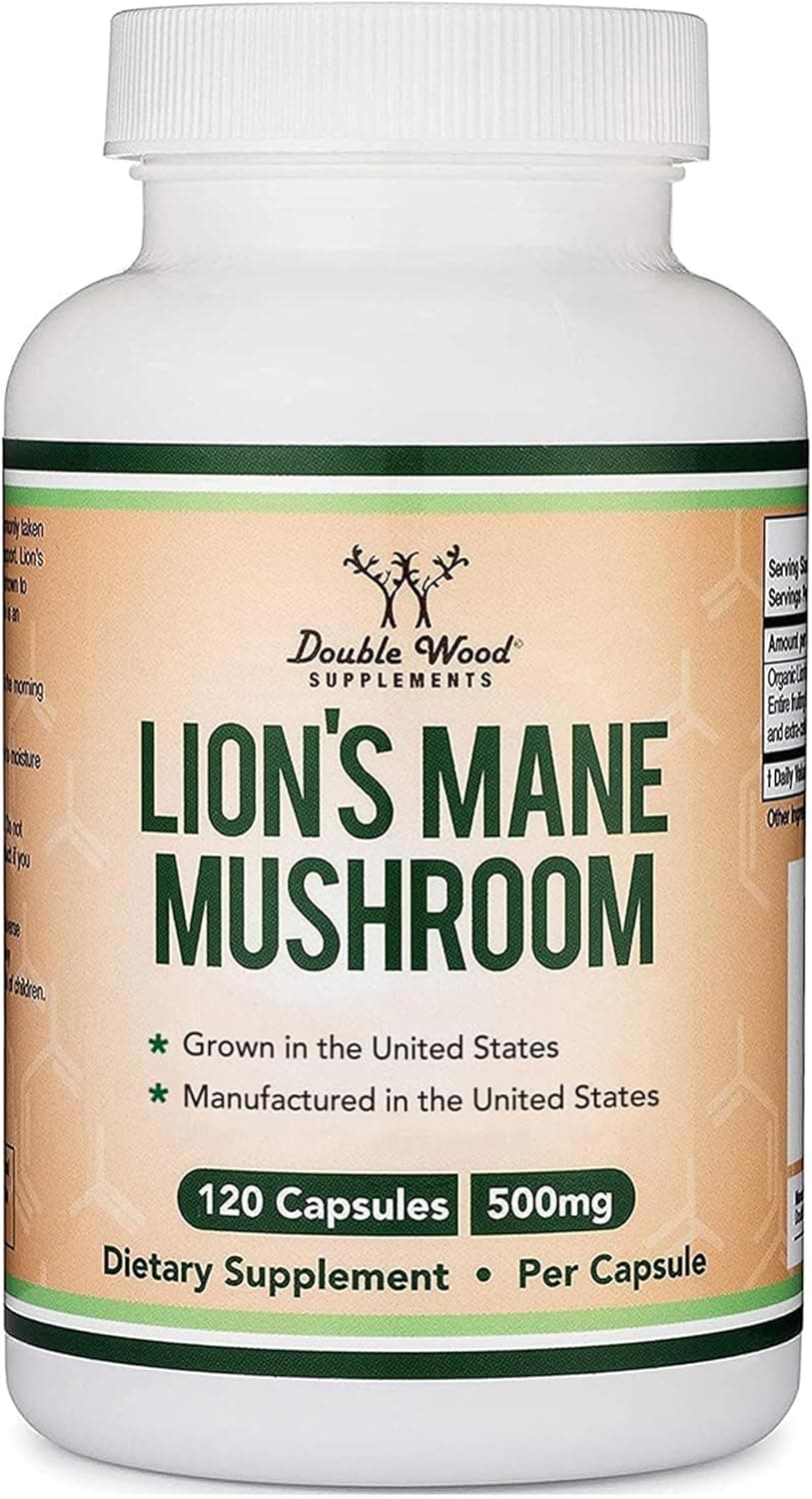
Vendors carrying Lion's Mane, with live product details and codes. Links are affiliate links that support the wiki at no cost to you.
Limitless Biochem🌐
Lion's Mane
Amazon
Lion's Mane
iHerb
Lion's Mane
Research
- 2009first citedImproving effects of the mushroom Yamabushitake (Hericium erinaceus) on mild cognitive impairme…
- 2023most recentThe Acute and Chronic Effects of Lion's Mane Mushroom Supplementation on Cognitive Function, St…
- 1.Structures, biological activities, and industrial applications of the polysaccharides from Hericium erinaceus (Lion's Mane) mushroom: A review.
- 2.Neurotrophic properties of the Lion's mane medicinal mushroom, Hericium erinaceus (Higher Basidiomycetes) from Malaysia.
- 3.Improving effects of the mushroom Yamabushitake (Hericium erinaceus) on mild cognitive impairment: a double-blind placebo-controlled clinical trial.
- 4.The Acute and Chronic Effects of Lion's Mane Mushroom Supplementation on Cognitive Function, Stress and Mood in Young Adults: A Double-Blind, Parallel Groups, Pilot Study.
- 5.Therapeutic Potential of Hericium erinaceus for Depressive Disorder
5 listed here; entry last updated August 2026
Reviews
My notesprivate to this device
FAQ
What is Lion's Mane known for?
It's a culinary and medicinal mushroom studied for its effects on nerve growth factor and general nervous system health.
How long until effects show?
Any cognitive or mood benefits are typically reported over weeks of consistent use rather than acutely.
Is fruiting body or mycelium better?
Products vary, and enthusiasts often prefer fruiting-body extracts standardized for active compounds, though evidence is still developing.
Can I cook with it?
Yes, it's an edible gourmet mushroom, though supplement extracts are more concentrated than culinary amounts.
Adverse effects
- Occasional digestive upset
- Allergic skin or breathing reactions in rare cases
Notes and cautions
- Generally well tolerated
- Variable potency between products