
spec sheet12 rows
Tesamorelin is a synthetic analog of growth hormone-releasing hormone and the first therapy approved by the FDA specifically to reduce excess visceral abdominal fat, in HIV-associated lipodystrophy. By stimulating the body's own pulsatile release of growth hormone it lowers deep abdominal fat and raises IGF-1; beyond that, trials have shown it reduces liver fat in fatty liver disease and, by restoring more youthful pulsatile GH signaling, has improved muscle mitochondrial function and measures of cognition. It is marketed as Egrifta and given by daily injection.
- Targets stubborn visceral belly fat
- First FDA approved therapy for visceral fat
- Raises your own growth hormone and IGF-1
- Liver fat dropped in clinical trials
- Mitochondrial function and cognition improved in trials
- Body composition and recovery both benefit
- Injection-site reactions such as redness, itching, or pain are common
- Joint pain (arthralgia), muscle pain, and swelling from fluid retention can occur
- May raise IGF-1 and, in some people, affect blood sugar control
Overview
Tesamorelin, sold under the brand name Egrifta, is a synthetic analog of human growth hormone-releasing hormone (GHRH), also called growth hormone-releasing factor [1][2]. It is a stabilized peptide based on the natural GHRH sequence, modified to resist enzymatic degradation and prolong its activity, and it works by stimulating the pituitary gland to synthesize and release the body's own growth hormone in a physiological, pulsatile manner [2].
The compound was developed by Theratechnologies and approved by the U.S. Food and Drug Administration in November 2010 for the reduction of excess abdominal fat in patients with HIV-associated lipodystrophy, a condition in which antiretroviral therapy can drive accumulation of visceral fat along with metabolic and body-image complications [1][3]. This makes tesamorelin the first and, for many years, the only agent indicated specifically for that use [2].
Its efficacy was established in two large phase 3 randomized, placebo-controlled trials and their extension phases, which showed significant reductions in visceral adipose tissue and waist circumference over roughly 26 to 52 weeks; a systematic review and later meta-analyses of randomized trials confirmed reductions in visceral fat and increases in lean body mass across studies [1][3][7]. Beyond its approved indication, tesamorelin has been studied for nonalcoholic fatty liver disease (NAFLD), where it reduced liver fat and slowed fibrosis progression in people with HIV [5][6]. It is supplied as a peptide for reconstitution and given by subcutaneous injection [2]. Benefits generally reverse if treatment is stopped, as visceral fat tends to reaccumulate [2].
- Tesamorelin was the first drug the FDA ever approved specifically to reduce visceral abdominal fat.
- Rather than injecting growth hormone directly, it prompts the pituitary to release growth hormone in its natural pulsing rhythm.
Mechanism
Tesamorelin acts upstream in the growth hormone axis. As a GHRH analog it binds GHRH receptors on the anterior pituitary and stimulates the synthesis and pulsatile secretion of endogenous growth hormone, which in turn raises circulating -like growth factor 1 () [2][7]. Restoring this GHRH to growth hormone to signaling axis preserves the natural, episodic pattern of hormone release rather than delivering a flat exogenous supply, and growth hormone in turn promotes lipolysis, favoring the breakdown of fat stored in the visceral compartment [2].
The signature effect is a selective reduction of visceral adipose tissue (VAT), the metabolically active fat surrounding the abdominal organs, with relatively little change in subcutaneous fat [2][3]. Pooling the randomized evidence, a systematic review found that growth hormone axis treatments lowered visceral fat by a weighted mean of about 25 cm2 while increasing lean body mass by roughly 1.3 kg compared with placebo [3], and a more recent meta-analysis of tesamorelin trials reported a visceral fat reduction near 28 cm2, a gain in lean mass of about 1.4 kg, and a drop in hepatic fat of roughly 4 percentage points [7]. In one phase 3 analysis, patients on tesamorelin were about 3.9 times more likely than those on placebo to reach a visceral fat level below the threshold associated with lower health risk [4].
A second, increasingly studied benefit is on the liver. In HIV-associated NAFLD, tesamorelin reduced liver fat and prevented progression of fibrosis, and hepatic gene-expression analysis showed increased oxidative phosphorylation alongside decreased inflammation and tissue-repair signaling [5][6]. Improvements in waist circumference and body image typically accompany the fat loss, and the drug is generally well tolerated, with glucose and CD4 counts largely unaffected [7]. The most common adverse effects are injection-site reactions and growth-hormone-related symptoms such as arthralgia, myalgia, and peripheral edema; because effects depend on continued treatment, visceral fat reaccumulates when tesamorelin is discontinued [2][7].
receptor fingerprint
GHRH receptoragonist
Growth hormone / raises
Visceral adipose tissuereduces
Dosingtypical ranges, not medical advice
interested in protocols and clinical dosages? make an account to see them! ^_^
Safetyrisks and cautions, not medical advice
Tesamorelin is a growth-hormone-releasing hormone analogue (approved for HIV-associated lipodystrophy) that raises growth hormone and IGF-1; common effects include injection-site reactions, joint pain, muscle aches, fluid retention and swelling, and tingling. It can raise blood glucose and reduce insulin sensitivity, and hypersensitivity reactions can occur. It is contraindicated in pregnancy and active malignancy, since increasing IGF-1 could theoretically promote tumor growth, and use in healthy adults for performance is off-label with unestablished long-term safety.
Interactionsdocumented pairs only, not exhaustive
Tesamorelin is a growth hormone-releasing hormone (GHRH) analog indicated for HIV-associated lipodystrophy. It is primarily studied in HIV-infected patients and may potentiate metabolic effects of antiretroviral agents; responders showing visceral adipose tissue reduction of 8% or greater demonstrated significantly greater improvements in triglyceride levels (26-week reduction of 0.6 mmol/L versus 0.1 mmol/L in nonresponders) and preservation of glucose homeostasis, suggesting a synergistic metabolic benefit when layered onto standard HIV care. [10]
Checking a whole stack? Run it through interactions + stacks.
Reconstitutionarithmetic only, not dosing advice
arithmetic only; not medical or dosing advice.
History
Tesamorelin is a stabilized synthetic analogue of human growth hormone-releasing hormone (GHRH 1-44), created by adding a trans-3-hexenoyl group to the peptide's N-terminus to slow degradation; during development it carried the code TH9507. It was developed by the Canadian company Theratechnologies of Montreal. In November 2010 the U.S. Food and Drug Administration approved it under the brand name Egrifta for the reduction of excess visceral abdominal fat in people with HIV-associated lipodystrophy, making it the first therapy specifically indicated for that condition. The approval rested on two 26-week randomized, placebo-controlled phase 3 trials, with extension data confirming that the visceral fat reduction was maintained on continued treatment and reaccumulated after discontinuation.
Reputation
Tesamorelin holds a distinctive place as the first and, for years, only drug approved specifically to shrink deep visceral abdominal fat, and it is respected for doing so by restoring the body's own pulsatile growth hormone release rather than supplying a flat external dose. Clinicians and researchers value its selective action on visceral fat with little effect on subcutaneous fat, along with well-documented gains in lean mass and reductions in liver fat that have extended interest into fatty liver disease.
Its generally favorable tolerability, with glucose and CD4 counts largely unaffected in trials, further supports its standing. Realistically, benefits depend on continued use and it can cause injection-site reactions and growth-hormone-related symptoms such as joint pain and fluid retention. On balance it is regarded as an effective, mechanistically elegant tool for a difficult metabolic problem.
Subjective profileweighing the evidence above
A properly approved drug with a specific job: reducing visceral fat in HIV-associated lipodystrophy by raising your own pulsatile growth hormone. Off-label physique use runs into the same catch, that the fat returns once you stop, plus joint pain, fluid retention and blood-sugar shifts. Off the table in active malignancy.
Where to buy


Suppliers
Vendors carrying Tesamorelin, with live product details and codes. Links are affiliate links that support the wiki at no cost to you.
| supplier | size | price | $/mg |
|---|---|---|---|
| Limitless Biochemlowest | 10 mg | $96.30 | $9.63/mg |
| Moglabs | 5mg | $50.00 | $10.00/mg |
Kimera Chems
Tesamorelin
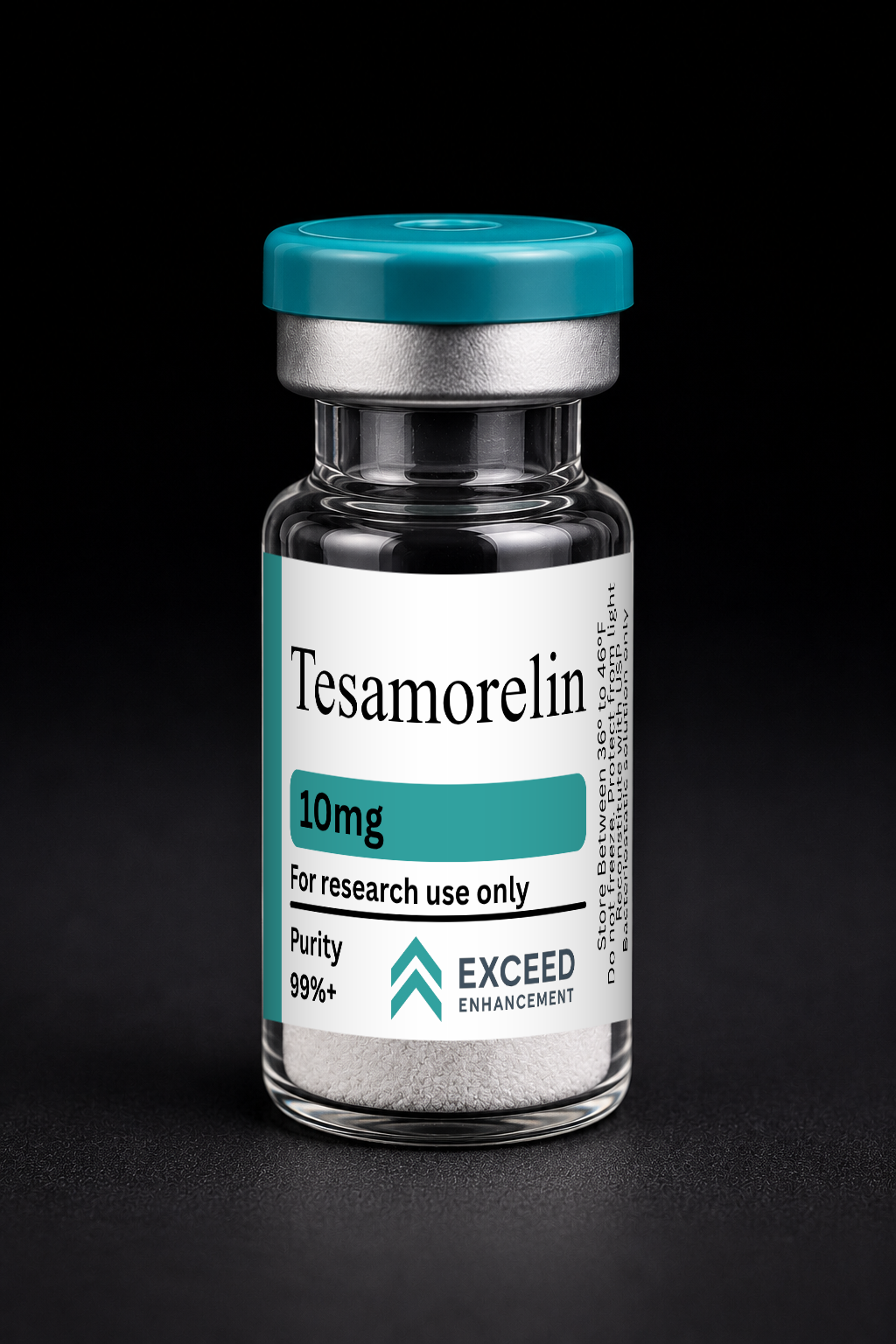
Exceed Enhancement
Tesamorelin
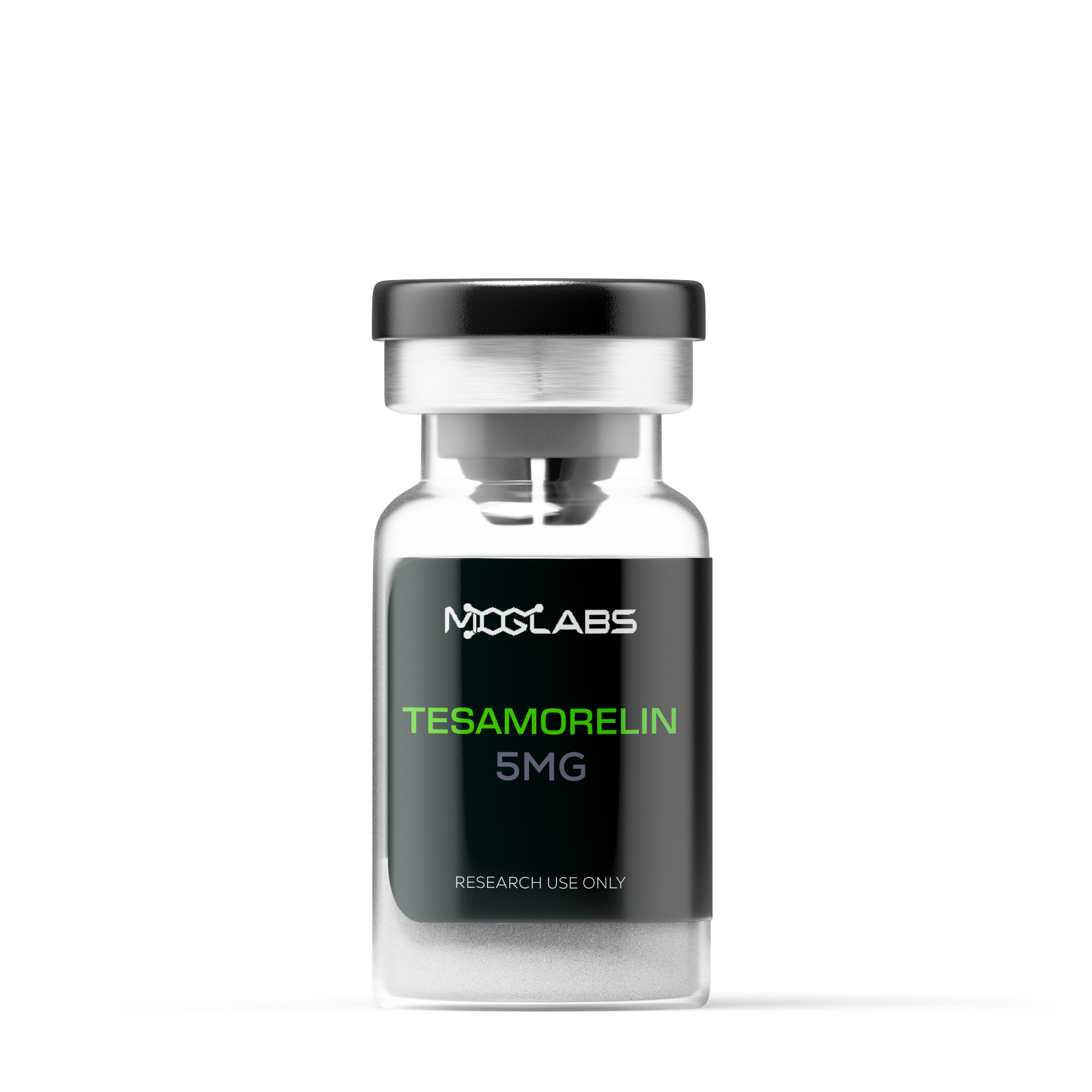
Moglabs
Tesamorelin
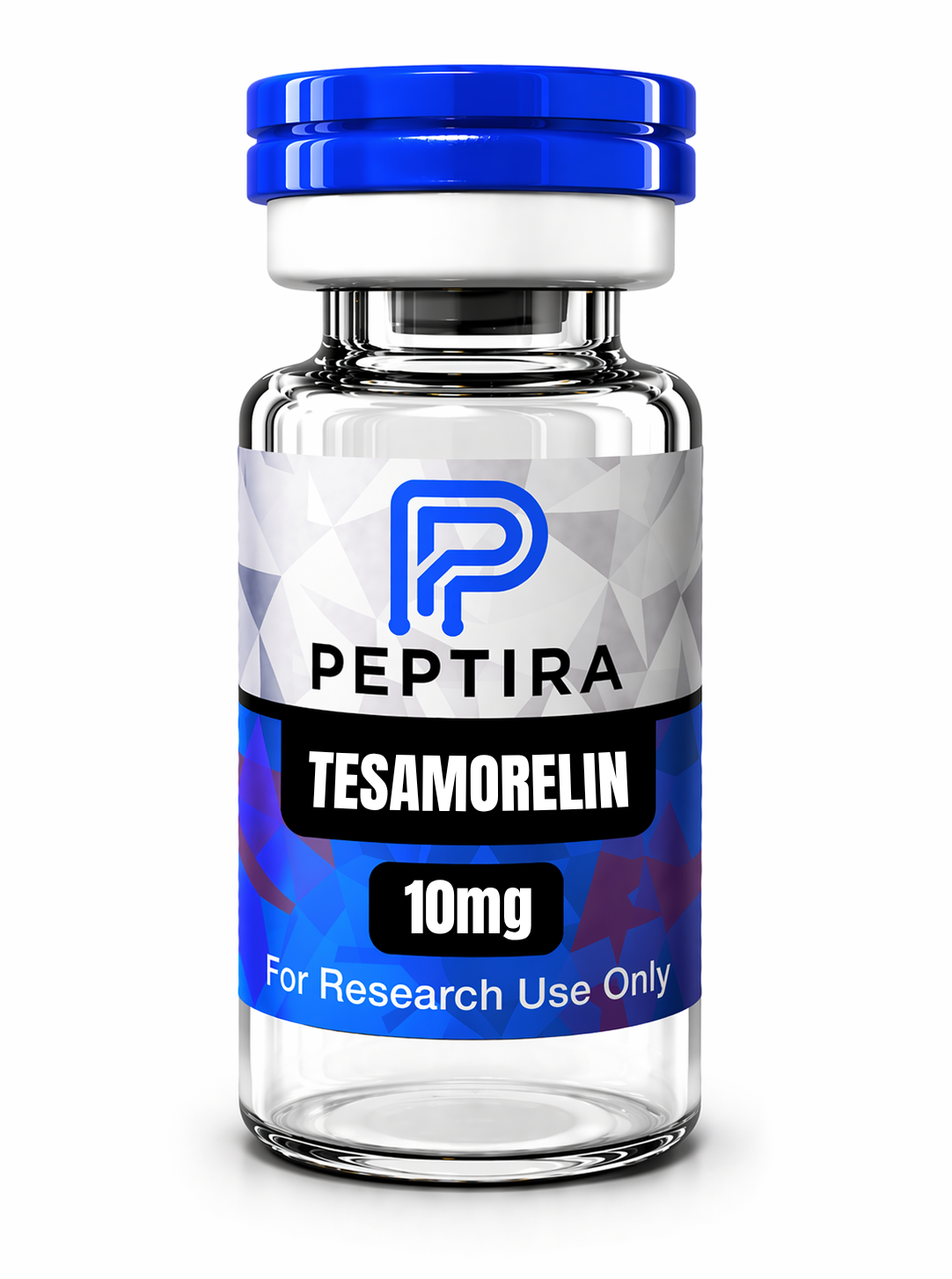
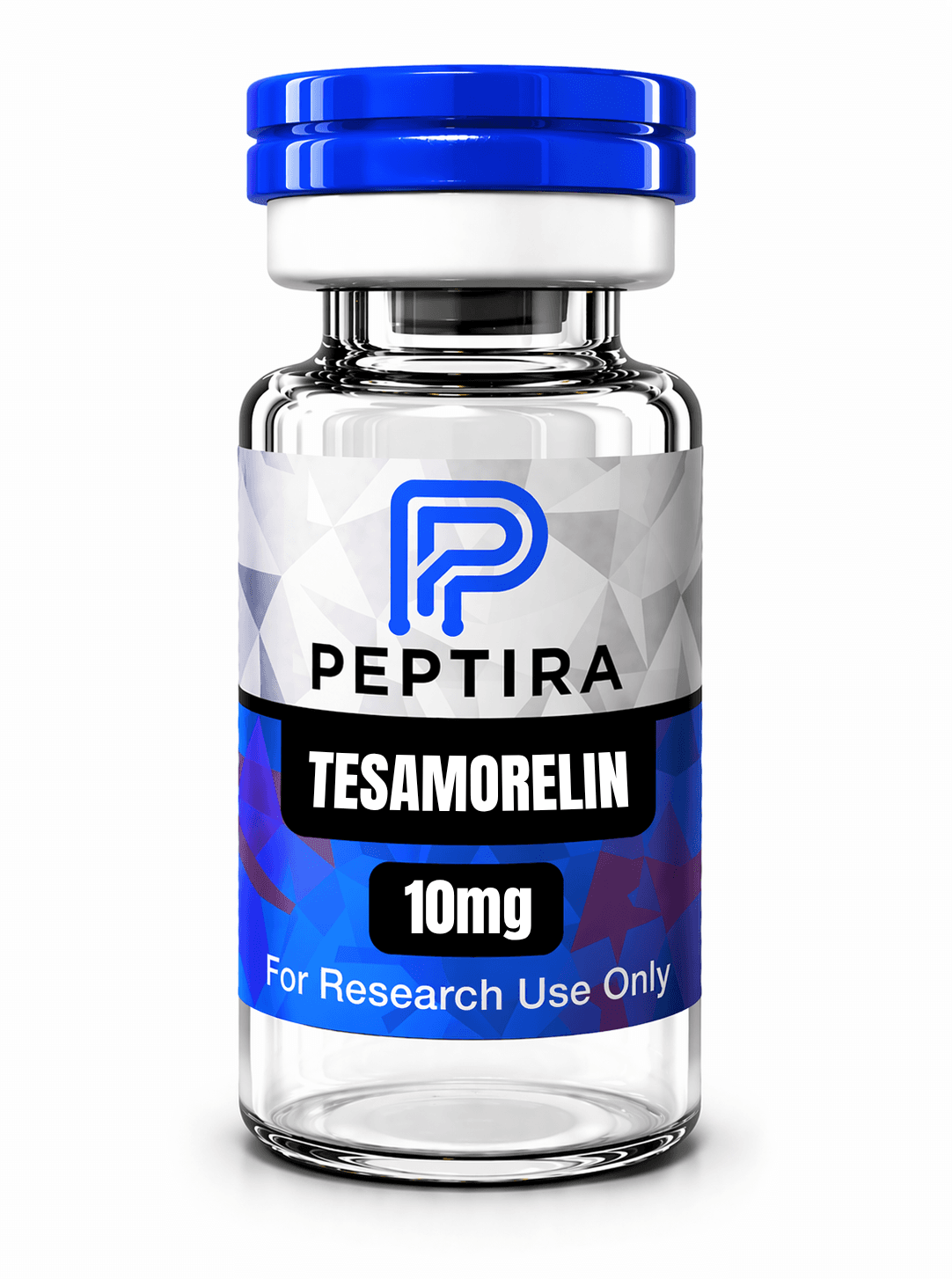
Peptira
Tesamorelin
Limitless Biochem🌐
Tesamorelin
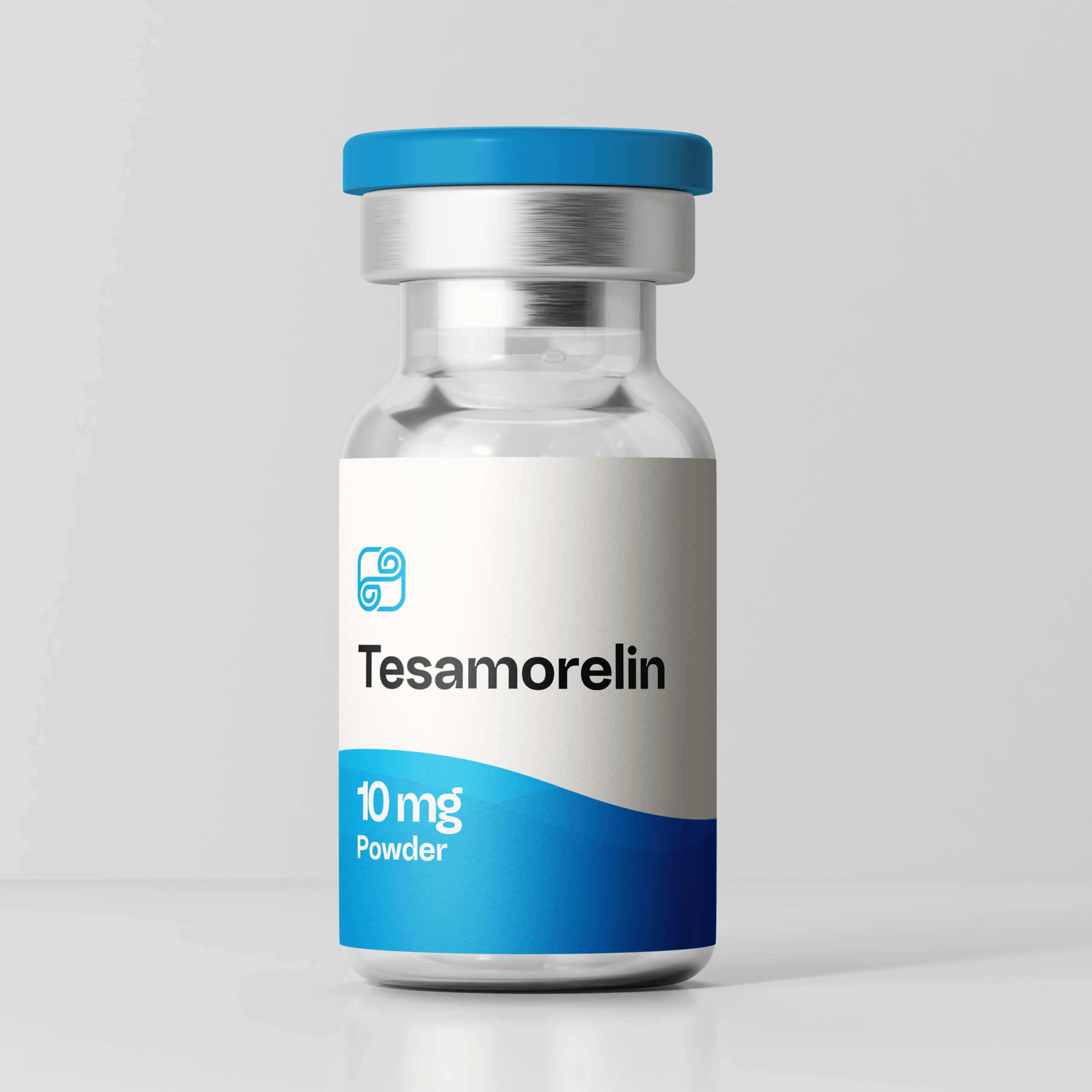
RUO
Tesamorelin
Research
- 2006first citedDrug evaluation: tesamorelin, a synthetic human growth hormone releasing factor
- 2011most active year3 papers
- 2026most recentBody composition, hepatic fat, metabolic, and safety outcomes of Tesamorelin, a GHRH analogue,…
- 1.Tesamorelin: a growth hormone-releasing factor analogue for HIV-associated lipodystrophy
- 2.Spotlight on tesamorelin in HIV-associated lipodystrophy
- 3.Growth hormone axis treatments for HIV-associated lipodystrophy: a systematic review of placebo-controlled trials
- 4.Predictors of Treatment Response to Tesamorelin, a Growth Hormone-Releasing Factor Analog, in HIV-Infected Patients with Excess Abdominal Fat
- 5.Effects of tesamorelin on hepatic transcriptomic signatures in HIV-associated NAFLD
- 6.Fibroblast growth factor 21 decreases after liver fat reduction via growth hormone augmentation
- 7.Body composition, hepatic fat, metabolic, and safety outcomes of Tesamorelin, a GHRH analogue, in HIV-associated lipodystrophy: A meta-analysis of randomized controlled trials
- 8.Effects of tesamorelin, a growth hormone-releasing factor, in HIV-infected patients with abdominal fat accumulation: a randomized placebo-controlled trial with a safety extension
- 9.Effects of tesamorelin (TH9507), a growth hormone-releasing factor analog, in human immunodeficiency virus-infected patients with excess abdominal fat: a pooled analysis of two multicenter, double-blind placebo-controlled phase 3 trials with safety extension data
- 10.Reduction in visceral adiposity is associated with an improved metabolic profile in HIV-infected patients receiving tesamorelin
- 11.Effects of tesamorelin on non-alcoholic fatty liver disease in HIV: a randomised, double-blind, multicentre trial
- 12.Delineating tesamorelin response pathways in HIV-associated NAFLD using a targeted proteomic and transcriptomic approach
19 listed here; entry last updated August 2026
Reviews
My notesprivate to this device
FAQ
What is tesamorelin?
It is a synthetic analog of growth-hormone-releasing hormone (GHRH) that stimulates the body's own GH production.
What is it approved for?
It is approved to reduce excess visceral abdominal fat in certain populations.
Why take it at night?
GH is naturally released in pulses during sleep, so nighttime dosing is often chosen to work with that rhythm.
How is it stored once mixed?
After reconstitution it is typically kept refrigerated and protected from light.
Adverse effects
- Injection-site reactions such as redness, itching, or pain are common
- Joint pain (arthralgia), muscle pain, and swelling from fluid retention can occur
- May raise IGF-1 and, in some people, affect blood sugar control
- Visceral fat tends to return after the drug is stopped
- Not recommended in active malignancy given growth hormone signaling