
data + articles · 6 listed
newest 2024spec sheet12 rows
Salicylic acid is a beta-hydroxy acid and one of the best known dermatological agents, taking its name from the willow tree (Latin salix) from which its precursor salicin was first isolated. It is used widely on the skin as a keratolytic to treat acne, warts, dandruff, psoriasis, and other conditions in which the outer layer of skin thickens or sheds abnormally. It is also the parent compound of aspirin, and in plants it functions as a signaling hormone.
- oil soluble, so it gets inside the pore where glycolic acid cannot
- the first choice for oily, congested, blackhead-prone skin
- clears blackheads and whiteheads by dissolving the plug
- smooths rough, scaly skin and lifts warts, corns and calluses
- takes the scaling out of dandruff and psoriasis
- cheap, ancient and about as well understood as skincare gets
- Dryness
- Peeling or flaking
- Stinging or burning on application
Overview
Salicylic acid is an aromatic organic compound with the formula C7H6O3, formally named 2-hydroxybenzoic acid, and it is the prototypical beta-hydroxy acid used in skin care [2]. It appears as a colorless to white crystalline solid with a bitter taste and limited water solubility, and it is lipophilic enough to penetrate oily follicles [2][4].
The compound is closely tied to the history of willow bark medicine. Its precursor salicin was isolated from willow in the early nineteenth century, salicylic acid itself was later obtained from meadowsweet, and acetylation of salicylic acid produced aspirin in the late nineteenth century [5]. In plants, salicylic acid is now recognized as a hormone that helps coordinate defenses against disease, a role explored in detail in plant biology [5].
In medicine, salicylic acid is used mainly on the skin. As a keratolytic and comedolytic agent it treats acne vulgaris, and dermatology guidelines list it among the topical options for milder acne [1]. It is also applied to warts, corns and calluses, psoriasis, seborrheic dermatitis and dandruff, ichthyosis, and other disorders of keratinization, and it is a common active ingredient in the superficial chemical peels used for acne and photoaging [2][3]. Salicylic acid peels are considered particularly convenient for darker skin types, where they can produce earlier improvement than some alternatives [3].
Salicylic acid is sold in many forms, including cleansers, gels, creams, lotions, medicated pads, plasters, and shampoos, at concentrations that vary by intended use and are capped by cosmetic regulations [2][4]. Numerous derivatives extend its reach, among them acetylsalicylic acid, better known as aspirin, methyl salicylate used in topical liniments, and bismuth subsalicylate used for digestive complaints [5].
Regulatory agencies permit salicylic acid in cosmetics within defined concentration limits, and routine cosmetic use is generally regarded as low risk [4]. Excessive topical application over large areas or on broken skin can, in rare cases, cause systemic salicylate toxicity known as salicylism, so caution is advised with high concentrations and extensive use [4].
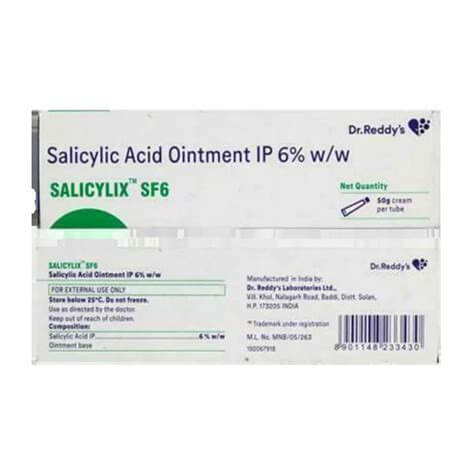
- Its name comes from the Latin word for willow, salix, the tree from which its precursor salicin was first obtained.
- A practical synthesis published by Hermann Kolbe in 1859 turned it from a botanical curiosity into an industrial commodity.
- It is the parent of aspirin; once in the body, aspirin is largely converted back into salicylic acid, its active form.
Mechanism
Salicylic acid works on the skin chiefly as a keratolytic agent. It loosens and dissolves the intercellular cement that binds together the cells of the outer epidermis, or stratum corneum, promoting their shedding and helping to unclog pores [2][4]. Because it is , it penetrates sebum-filled follicles well, which underlies its comedolytic, or pore-clearing, action in acne [1][2].
It also has mild anti-inflammatory and antimicrobial properties, and as a salicylate it can modulate cyclooxygenase activity and lower pro-inflammatory prostaglandins [4]. Its close relative aspirin is formed by acetylation of salicylic acid and irreversibly inhibits cyclooxygenase, whereas salicylic acid itself is the active to which aspirin is largely converted in the body [5]. In plants, by contrast, salicylic acid acts as a signaling hormone that triggers systemic resistance to pathogens [5].
receptor fingerprint
Corneocyte desmosomes and intercellular cementdissolves
Follicular keratin plug (comedo)modulates
Sebaceous follicle interiormodulates
Stratum corneum hydration and pHmodulates
Prostaglandin and COX pathwayinhibits
Dosingtypical ranges, not medical advice
interested in protocols and clinical dosages? make an account to see them! ^_^
Safetyrisks and cautions, not medical advice
Salicylic acid is available over the counter and by prescription. On the skin it commonly causes dryness, peeling, stinging, redness and irritation, especially when overused or combined with other actives. Applying high strengths over large areas of skin, particularly in children, can allow enough to be absorbed to cause salicylate toxicity, with ringing in the ears, nausea and confusion, so it is used on limited areas. People with a salicylate or aspirin allergy should avoid it, and it should not be layered heavily with strong retinoids without care.
Interactionsdocumented pairs only, not exhaustive
Salicylic acid on skin is mostly a local drug, but it does cross into the circulation, and that is where the interactions live. Wide application, occlusive dressings, broken skin, use in children, or reduced kidney function all push systemic salicylate high enough to matter.
Once systemic, salicylate slows the renal clearance of methotrexate and displaces it from plasma protein binding, raising methotrexate exposure and its hematologic toxicity. That is the pairing with the most documented harm. Salicylates also depress prothrombin and inhibit platelet function, so bleeding risk rises alongside warfarin, direct oral anticoagulants and other NSAIDs. Sulfonylureas can be potentiated by the same protein-binding displacement, and carbonic anhydrase inhibitors such as acetazolamide increase the risk of salicylate accumulation and metabolic acidosis. Probenecid and other uricosurics lose effect in the presence of salicylate.
On the skin itself, benzoyl peroxide, topical retinoids and alcohol-based astringents applied to the same site add irritation rather than efficacy.
Checking a whole stack? Run it through interactions + stacks.
History
Salicylic acid traces its lineage to willow bark, whose medicinal use dates to antiquity and gives the compound its name from the Latin salix. Its precursor, the glycoside salicin, was isolated from willow in the 1820s, and in 1838 the Italian chemist Raffaele Piria converted salicin into salicylic acid itself. Industrial-scale production became possible in 1859 when the German chemist Hermann Kolbe devised a practical synthesis, now known as the Kolbe reaction, which made the acid cheaply and widely available. Later in the nineteenth century, acetylation of salicylic acid yielded acetylsalicylic acid, marketed by Bayer as aspirin in 1899. Over time salicylic acid became established as one of the foundational agents of dermatology, prized for its keratolytic action on the skin.
Reputation
Salicylic acid is among the most trusted and enduring workhorses of skin care, valued for its ability to loosen and shed the outer layer of skin and to clear clogged pores. Because it is oil-soluble, it penetrates sebum-filled follicles effectively, which underlies its long-standing use against acne, and it is equally familiar in treatments for warts, dandruff, psoriasis, and calluses. Its behavior is well understood and its track record spans well over a century. It is not without limits; higher concentrations can irritate or dry the skin, and application over large body areas can lead to systemic salicylate absorption, so sensible use matters. As a low-cost, versatile beta-hydroxy acid, it remains a benchmark against which newer exfoliants are measured.
Subjective profileweighing the evidence above
The right first choice for oily, congested, blackhead-prone skin, because being oil-soluble it gets down into the pore where glycolic acid does not. Cheap and well understood. Expect dryness and flaking, and keep it to limited areas rather than large stretches of skin.
Where to buy
Suppliers
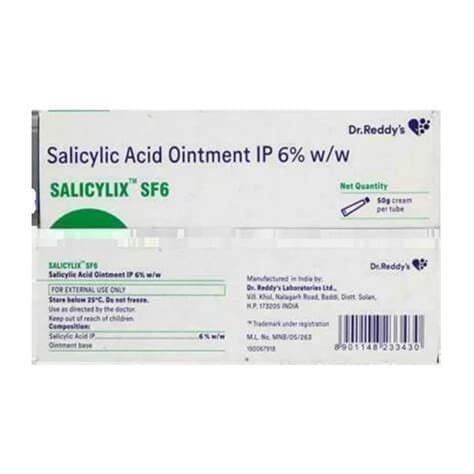
Vendors carrying Salicylic Acid, with live product details and codes. Links are affiliate links that support the wiki at no cost to you.
PCT.Zone
Salicylic Acid
Research
- 2009first citedSalicylic Acid, a multifaceted hormone to combat disease
- 2024most recentGuidelines of care for the management of acne vulgaris
- 1.Guidelines of care for the management of acne vulgaris
- 2.Basic chemical peeling: Superficial and medium-depth peels
- 3.Efficacy and safety of superficial chemical peeling in treatment of active acne vulgaris
- 4.A review of toxicity from topical salicylic acid preparations
- 5.Salicylic Acid, a multifaceted hormone to combat disease
- 6.Management of Acne Vulgaris: A Review
6 listed here; entry last updated August 2026
Reviews
My notesprivate to this device
FAQ
What is the difference between BHA and AHA?
Salicylic acid is a beta hydroxy acid that is oil soluble and gets into pores, while alpha hydroxy acids like glycolic acid are water soluble and work more on the surface.
Can I use it with a retinoid?
You can, but both are drying, so introduce them slowly, alternate nights if needed and moisturize.
Is it safe in pregnancy?
Low strength topical use on small areas is generally considered fine, but avoid large area or high strength use and check with your clinician.
Why does it sting when I apply it?
Mild stinging is common as it works on the skin; strong or lasting burning means you should use it less often or at a lower strength.
How long until I see results?
Pore clearing and smoother texture usually build over several weeks of regular use.
Adverse effects
- Dryness
- Peeling or flaking
- Stinging or burning on application
- Redness
- Irritation with overuse
- Rare salicylate toxicity when applied over large areas