
spec sheet11 rows
Glycolic acid is the smallest of the alpha-hydroxy acids, a colorless, odorless, water-soluble crystalline compound found naturally in sugarcane and some fruits. In industry it is used in textiles, adhesives, and as a chemical building block, but it is best known in dermatology, where it is a widely used ingredient in exfoliating skincare products and chemical peels. Its small size allows it to penetrate the skin readily, loosening the bonds between surface cells and promoting exfoliation and renewal.
- the smallest alpha hydroxy acid, so it penetrates readily
- one of skincare's most reliable texture smoothers
- brightens dull skin and fades dark spots
- helps clear and prevent breakouts
- softens fine lines and builds collagen with regular use
- sugarcane derived, well studied and remarkably cheap
- Skin irritation, redness, or stinging, especially at higher strengths
- Increased sensitivity to sunlight during use
- Possible post-treatment pigment changes in some skin types
Overview
Glycolic acid, also known as hydroxyacetic acid, is an organic compound and the simplest member of the alpha-hydroxy acid (AHA) family, bearing both a hydroxyl and a carboxylic acid group on a two-carbon skeleton. It is a colorless, odorless solid that dissolves readily in water and is mildly acidic. The compound occurs naturally in sugarcane, sugar beet, pineapple, and unripe grapes, and it is also formed in plants during photorespiration. Commercially it is produced by chemical synthesis, for example from formaldehyde or chloroacetic acid.
Glycolic acid has both industrial and cosmetic applications. It serves as a dyeing and tanning agent in textiles, as a component of adhesives and cleaning products, and as a monomer for biodegradable polymers such as polyglycolic acid and its copolymers. Its most prominent consumer use, however, is in skin care. As an exfoliant it is incorporated into lotions, serums, and professional chemical peels of varying strengths, where it is applied to treat conditions including acne, uneven pigmentation such as melasma, and the visible signs of photoaging [1].
Clinical studies support the use of glycolic acid peels in dermatology. Comparative trials have found glycolic acid peels to be effective for melasma, with results broadly similar to other peeling agents [2], and controlled studies of photoaged skin report improvements in texture and fine wrinkles, comparable in some respects to topical retinoid creams though sometimes with more irritation [3]. Reviews describe glycolic acid as a versatile, inexpensive peel that can be tailored from a very superficial to a medium-depth treatment depending on its concentration and contact time, with a favorable safety record when used appropriately [1].
Glycolic acid is a permitted cosmetic ingredient, and lower-strength preparations are sold directly to consumers while stronger peels are typically performed by trained practitioners. It can irritate the skin, and concentrated solutions are corrosive, so proper formulation, patient selection, and neutralization are important [1]. Because exfoliation can increase the skin's sensitivity to sunlight, sun protection is generally advised during use. Careful attention to concentration and technique reduces the risk of redness, stinging, and post-treatment pigment changes.
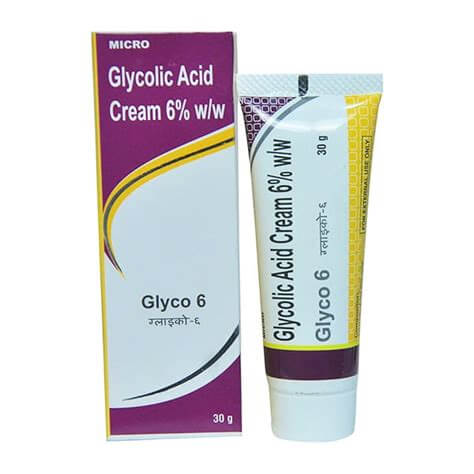
- Glycolic acid is the smallest alpha-hydroxy acid, and that tiny molecular size is precisely why it penetrates the skin so readily.
- The depth of a glycolic acid peel can be dialed from very superficial to medium simply by changing the acid concentration, number of coats, and contact time before neutralization.
- In a head-to-head study for melasma, a 35% glycolic acid peel performed comparably to a 15% TCA peel, with about 70% of patients reporting good or very good results.
Mechanism
Glycolic acid works chiefly as a chemical exfoliant. Its very small molecular size lets it penetrate the outer layer of the skin, the stratum corneum, where it weakens the cohesion between dead surface cells by interfering with the bonds that hold them together; this loosening accelerates the shedding of old cells and reveals fresher skin beneath [1]. At higher concentrations the effect extends deeper, producing a controlled chemical peel whose depth depends on the acid strength, the number of applications, and how long it remains on the skin before neutralization [1].
Beyond simple exfoliation, glycolic acid is thought to stimulate the underlying dermis, encouraging the production of collagen and other matrix components, which contributes to smoother texture and improvement of fine lines in photoaged skin [3]. By speeding cell turnover and dispersing clusters of pigment, it can also help even out discoloration in conditions such as melasma and post-inflammatory hyperpigmentation [2]. Its acidity and keratolytic action are the same properties that make concentrated solutions irritating, so its cosmetic use balances exfoliating benefit against the potential for skin irritation.
receptor fingerprint
Corneocyte desmosomes and cohesionblocks
Stratum corneum thicknessmodulates
Epidermal keratinocyte turnoveractivates
Dermal fibroblasts and collagenactivates
Clumped melanin and pigmentmodulates
Skin surface hydrationmodulates
Dosingtypical ranges, not medical advice
interested in protocols and clinical dosages? make an account to see them! ^_^
Safetyrisks and cautions, not medical advice
Glycolic acid is generally safe when used at sensible strengths, but it is an acid and can irritate. Common effects are stinging, redness, tingling, dryness, and flaking, especially when starting out or using stronger formulas. Because it removes surface layers it makes skin more sensitive to sunlight, so daily sunscreen matters, and skipping it can worsen pigmentation. Stronger peels carry a risk of burns, blistering, and, in darker skin types, post-inflammatory darkening or lightening if overdone. It should be kept away from the eyes and broken skin, introduced slowly, and higher strength peels are best left to trained professionals.
History
Glycolic acid, the smallest alpha-hydroxy acid, was first prepared in the nineteenth century and occurs naturally in sugarcane, sugar beets, and unripe grapes; it long served industry as a chemical building block in textiles, adhesives, and cleaning agents. Its transformation into a dermatological mainstay is credited chiefly to Eugene Van Scott and Ruey Yu, who in the 1970s demonstrated that alpha-hydroxy acids could dramatically improve disorders of keratinization such as ichthyosis, launching the modern era of alpha-hydroxy acid therapy.
Through the 1980s and 1990s glycolic acid peels became one of the most common superficial chemical peels in cosmetic practice, prized for treating acne, photoaging, and pigmentation. Its use is now supported by decades of clinical study across a range of skin concerns. Today it is among the most familiar exfoliating ingredients in both professional peels and over-the-counter skincare.
Reputation
Glycolic acid is one of the most trusted and thoroughly documented ingredients in cosmetic dermatology, with a reputation built on simplicity, low cost, and versatility. Because its small molecule penetrates the stratum corneum so efficiently, it works as a gentle superficial exfoliant at low strengths and a medium-depth peel at higher concentrations, all with minimal downtime.
Clinical reviews report good results across acne, acne scarring, melasma, post-inflammatory hyperpigmentation, and photoaging, and comparative studies place it on par with other established peeling agents for melasma. Beyond exfoliation, it appears to stimulate dermal collagen, contributing to smoother texture and softening of fine lines. Its main limitation is that the same acidity responsible for its benefits can irritate, so proper concentration, timing, and sun protection matter; used sensibly, it remains a dependable workhorse of skin renewal.
Subjective profileweighing the evidence above
One of the most reliable things in skincare for texture, brightness and dark spots, and it is cheap. Start low and infrequent, because the sting and flaking are real, and daily sunscreen is not optional while using it or pigmentation gets worse instead of better.
Where to buy

Suppliers
Vendors carrying Glycolic Acid, with live product details and codes. Links are affiliate links that support the wiki at no cost to you.
PCT.Zone
Glycolic Acid
Research
- 2006first citedEffects of alpha-hydroxy acids on the human skin of Japanese subjects: the rationale for chemic…
- 2018controlled trialAntiaging efficacy of a retinaldehyde-based cream compared with glycolic acid peel sessions: A…
- 2024most recentEvaluating the Efficacy and Safety of Alpha-Hydroxy Acids in Dermatological Practice: A Compreh…
- 1.Glycolic acid peel therapy: a current review
- 2.Comparative study of 15% TCA peel versus 35% glycolic acid peel for the treatment of melasma
- 3.Antiaging efficacy of a retinaldehyde-based cream compared with glycolic acid peel sessions: A randomized controlled study
- 4.Effects of alpha-hydroxy acids on the human skin of Japanese subjects: the rationale for chemical peeling
- 5.Evaluating the Efficacy and Safety of Alpha-Hydroxy Acids in Dermatological Practice: A Comprehensive Clinical and Legal Review
5 listed here; entry last updated August 2026
Reviews
My notesprivate to this device
FAQ
How is glycolic acid different from salicylic acid?
Glycolic is water loving and works on the surface and tone, while salicylic is oil loving and gets into pores, so it suits oily, acne-prone skin better.
Do I need sunscreen with it?
Yes, it thins the dead surface layer and makes skin more sun sensitive, so daily SPF is essential to avoid burns and dark spots.
How often should I use it?
Start a couple of times a week and build up as tolerated; daily use of low strengths is fine for many once the skin adjusts.
Can I use it with retinol?
You can, but using both at once can over-irritate, so many people alternate nights or apply them at different times.
Is a stronger peel always better?
No, higher concentrations raise the risk of burns and pigment changes, and strong peels are best done by a trained professional.
Adverse effects
- Skin irritation, redness, or stinging, especially at higher strengths
- Increased sensitivity to sunlight during use
- Possible post-treatment pigment changes in some skin types
Notes and cautions
- Concentrated solutions are corrosive and best applied by trained practitioners