
spec sheet13 rows
Nebivolol is a beta blocker used chiefly to treat high blood pressure and, in some countries, chronic heart failure. It is highly selective for beta-1 adrenergic receptors and is often called a third-generation beta blocker because it also promotes the release of nitric oxide, which relaxes and widens blood vessels. This vasodilating property distinguishes it from older beta blockers and is thought to contribute to its blood-pressure-lowering effect.
- Third generation beta blocker for blood pressure
- Opens blood vessels through nitric oxide release
- Highly selective for beta-1; cleaner than older options
- Vasodilation sets it apart from other beta blockers
- Supports circulation while easing the pressure load
- Fatigue
- Dizziness
- Slow heart rate
Overview
Nebivolol belongs to the beta-adrenergic blocking agents but stands apart for two features: an unusually high selectivity for the beta-1 receptor found mainly in the heart, and an additional ability to stimulate endothelial production of nitric oxide [3]. Nitric oxide is a signaling molecule that causes blood vessels to dilate, so nebivolol lowers blood pressure both by reducing cardiac drive and by decreasing the resistance of peripheral arteries [3]. It is used clinically for hypertension and, in the European Union and elsewhere, for chronic heart failure, and it entered medical use in the late 1990s [1][3].
Clinical trials support both its cardiovascular effects and its distinctive mechanism. The SENIORS trial, a large randomized study in elderly patients with heart failure, found that nebivolol reduced the combined risk of death or cardiovascular hospital admission compared with placebo [1]. In hypertension, a randomized crossover study showed that nebivolol improved nitric-oxide-mediated blood-vessel function in patients whose endothelium was impaired, unlike a comparison beta blocker without this property [2]. Reviews summarize nebivolol as combining conventional beta-1 blockade with vasodilation, potentially offering a more favorable profile for blood flow and metabolism than earlier agents [3].
Nebivolol is a prescription medicine available as a generic in many markets. Like other beta blockers it can cause fatigue, dizziness, slow heart rate, and cold extremities, and it must be used cautiously in people with certain cardiac conduction problems or severe airway disease [3]. Regulators have cautioned that some marketing overstated its novelty relative to established beta blockers, and firm evidence that its nitric oxide effect produces better long-term outcomes than cheaper alternatives is limited.
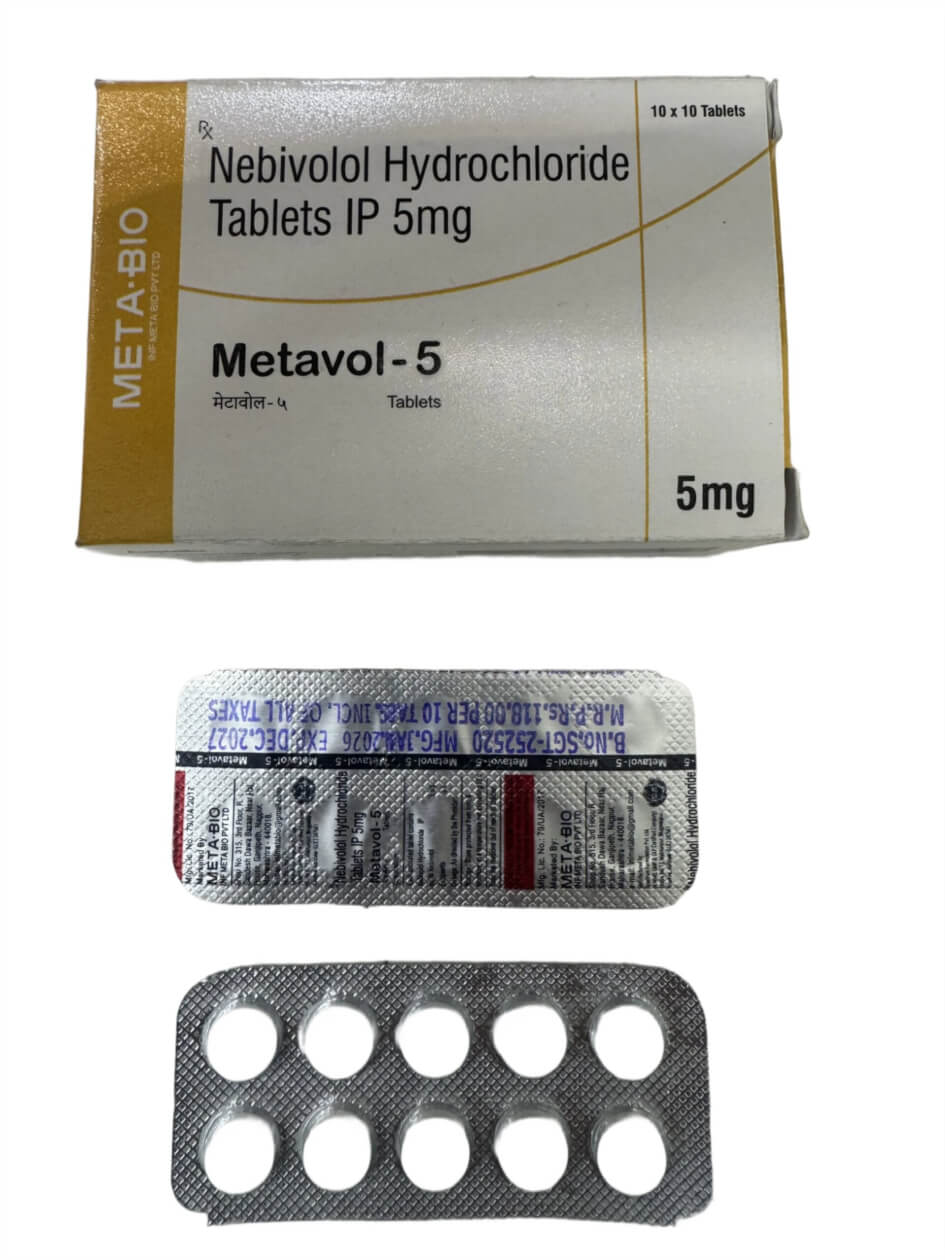
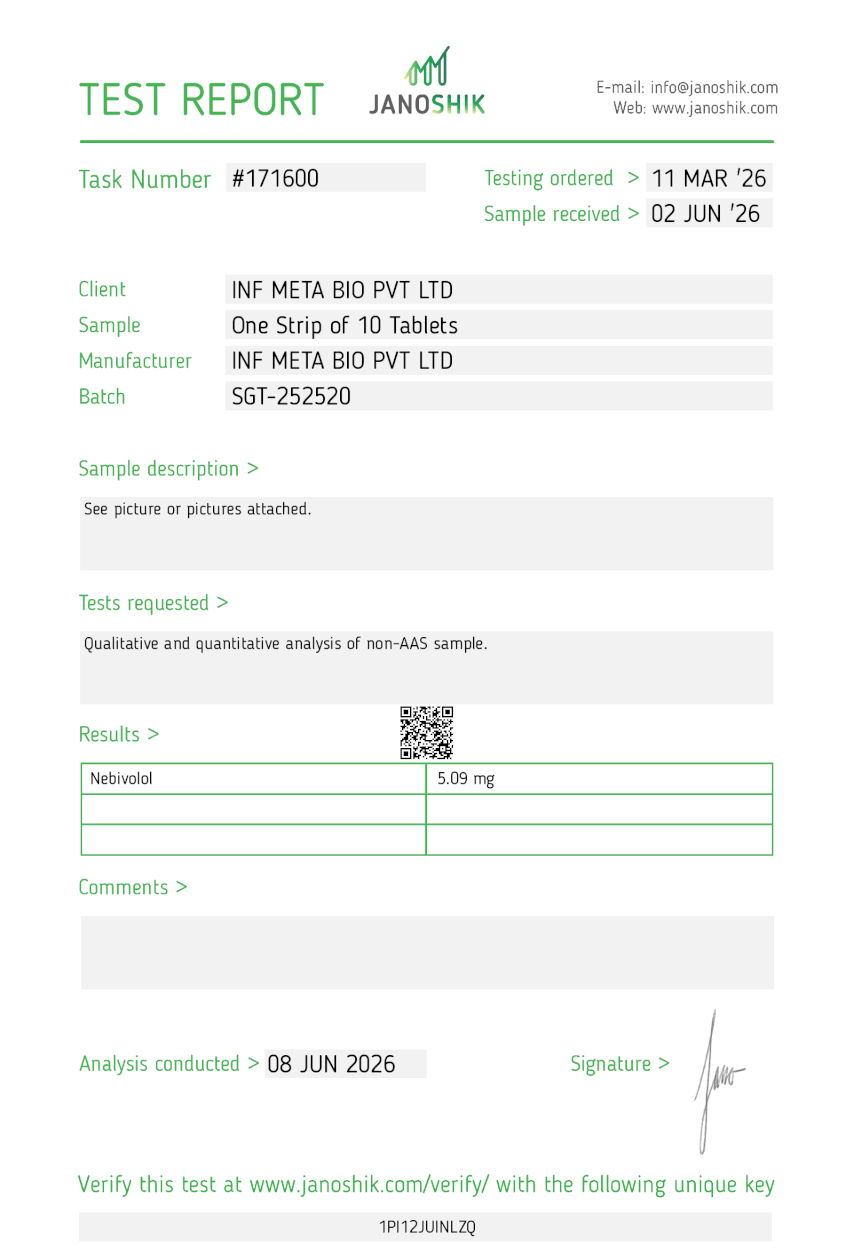
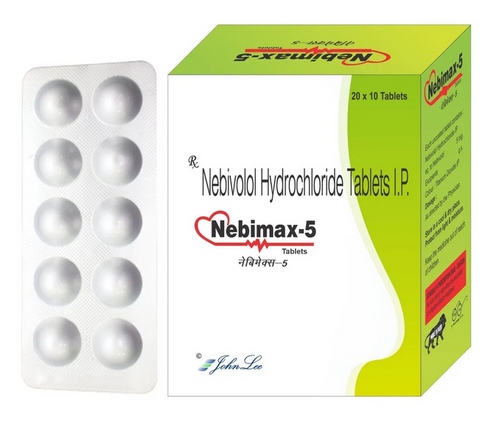

- Nebivolol is the only beta-blocker known to trigger the vascular endothelium to produce nitric oxide, the body's main endothelial vasodilator.
- Its nitric-oxide effect has been linked to activation of beta-3 adrenergic receptors, an action that is unusual within the beta-blocker class.
- It is sold as a racemate; one enantiomer supplies the beta-1 blockade while the other contributes the vessel-relaxing effect.
Mechanism
Nebivolol combines two actions. As a highly beta-1-selective , it blocks the effect of adrenaline and noradrenaline on the heart, slowing heart rate and reducing the force of contraction, which lowers cardiac workload and blood pressure [3]. Separately, it stimulates the endothelium, the inner lining of blood vessels, to release through activation of endothelial nitric oxide synthase, and the resulting reduces peripheral vascular resistance [2][3]. This nitric-oxide pathway, which some evidence links to beta-3 receptor activity, is the main way nebivolol differs from traditional beta blockers and is credited with improving endothelial function in hypertensive patients [2][3]. Its beta-1 selectivity is dose-dependent and tends to diminish at higher doses [3].
receptor fingerprint
Beta-1 receptorselective antagonist
(endothelial)releases
Superoxide radicalsreduces
Dosingtypical ranges, not medical advice
interested in protocols and clinical dosages? make an account to see them! ^_^
Safetyrisks and cautions, not medical advice
Common effects are headache, fatigue, and dizziness; it slows heart rate and lowers blood pressure and should not be stopped abruptly (rebound hypertension or tachycardia). Use caution in asthma or COPD, certain conduction blocks, and alongside other rate-lowering drugs. Prescription medicine.
Interactionsdocumented pairs only, not exhaustive
Nebivolol, a selective beta-1 blocker, is metabolized via CYP2D6 and therefore undergoes pharmacokinetic interactions with CYP2D6 inhibitors such as paroxetine, fluoxetine, and bupropion; these inhibitors reduce nebivolol clearance and may increase beta-blockade effect and risk of bradycardia or fatigue. The clinical significance of this interaction is modest compared to other beta-blockers owing to nebivolol's vasodilatory properties.
Pharmacodynamic interactions occur when nebivolol is combined with other blood-pressure-lowering agents (ACE inhibitors, calcium channel blockers, diuretics), though these are typically managed through dose adjustment and are not contraindicated. Nebivolol shows a more favorable side-effect profile than traditional beta-blockers, particularly regarding sexual dysfunction [22]. Few published data exist on interactions with anticoagulants, NSAIDs at high doses, or sympathomimetic agents when used concomitantly with nebivolol.
Checking a whole stack? Run it through interactions + stacks.
History
Nebivolol was developed by the Belgian company Janssen Pharmaceutica, with the molecule synthesized in the 1980s as part of efforts to create a beta-blocker that avoided the increased peripheral vascular resistance associated with older agents in the class. It first reached European markets in the 1990s under the brand name Nebilet, and after a longer path through development and licensing it gained United States Food and Drug Administration approval in 2007, marketed there as Bystolic by Forest Laboratories.
From the outset it was distinguished as a third-generation beta-blocker because, beyond its very high selectivity for beta-1 adrenergic receptors, it uniquely stimulates the vascular endothelium to release nitric oxide, producing vasodilation. This nitric-oxide action, which research has linked to beta-3 receptor activity, set it apart mechanistically from conventional beta-blockers. It is marketed as a racemate of two enantiomers, one contributing the beta-blocking action and the other the vasodilating effect, and it is used chiefly for hypertension and, in some countries, chronic heart failure.
Reputation
Nebivolol is well regarded as a modern, patient-friendly beta-blocker that couples effective blood-pressure control with an unusually clean tolerability profile. Its signature feature, the ability to prompt blood vessels to make their own nitric oxide and thereby relax and widen, distinguishes it from older beta-blockers and is credited with improving endothelial function in people with hypertension. Clinically this vasodilating character is often associated with a favorable metabolic profile and, for many patients, fewer of the fatigue, cold extremities and sexual side effects that can accompany traditional agents in the class.
It is fair to note that its high beta-1 selectivity is dose-dependent and tends to fade at higher doses, and that debate continues about how much its nitric-oxide effect translates into hard outcome benefits beyond blood-pressure lowering. Even so, its combination of potency, selectivity and a distinctive vasodilating mechanism has made it a widely appreciated choice among contemporary antihypertensives.
Subjective profileweighing the evidence above
A good pick among beta blockers when fatigue and cold hands are the usual reason people stop taking them, since the nitric oxide effect makes it run cleaner than older agents. Still a beta blocker, so the asthma cautions hold and it is never stopped abruptly.
Where to buy
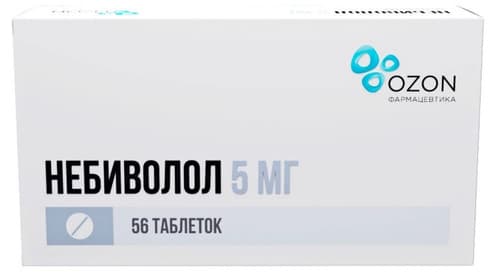
Suppliers
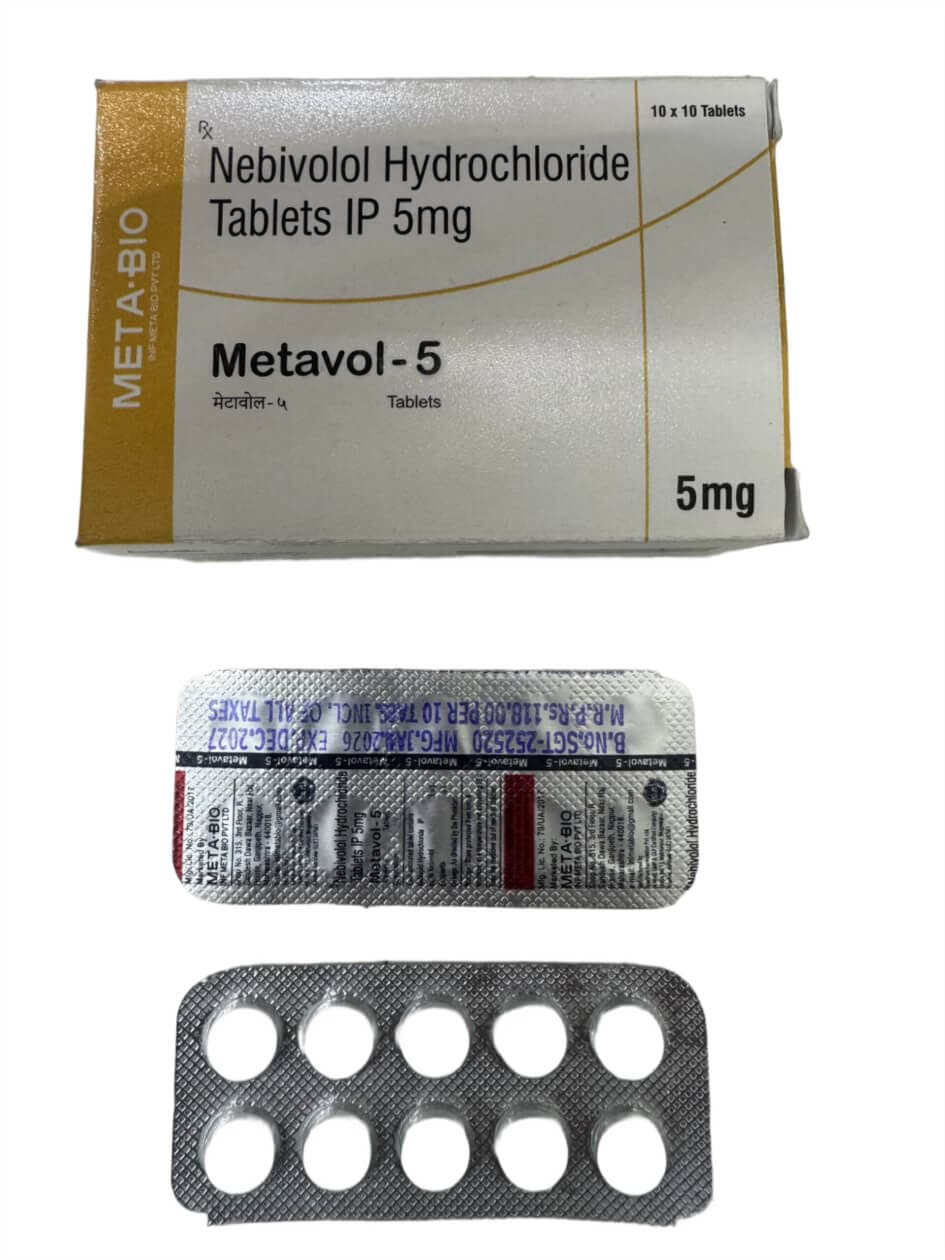
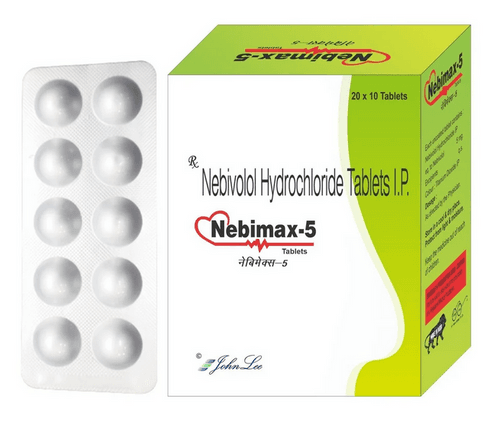
Vendors carrying Nebivolol, with live product details and codes. Links are affiliate links that support the wiki at no cost to you.
PCT.Zone
Nebivolol
RUPharma🌐
Nebivolol
RUPharma🌐
Nebivolol
Research
- 1998first citedPharmacology of nebivolol.
- 2005most active year4 papers
- 2020meta-analysisEfficacy and safety of nebivolol in hypertensive patients: a meta-analysis of randomized contro…
- 2025most recentAnti-hypertensive medications and erectile dysfunction: focus on β-blockers.
- 1.Randomized trial to determine the effect of nebivolol on mortality and cardiovascular hospital admission in elderly patients with heart failure (SENIORS)
- 2.Nebivolol reverses endothelial dysfunction in essential hypertension: a randomized, double-blind, crossover study
- 3.Nebivolol: the somewhat-different beta-adrenergic receptor blocker
- 4.Pharmacology of nebivolol.
- 5.Nebivolol: a selective beta(1)-adrenergic receptor antagonist that relaxes vascular smooth muscle by nitric oxide- and cyclic GMP-dependent mechanisms.
- 6.Nebivolol: haemodynamic effects and clinical significance of combined beta-blockade and nitric oxide release.
- 7.Metabolic profile of nebivolol, a beta-adrenoceptor antagonist with unique characteristics.
- 8.Endothelial beta3-adrenoreceptors mediate nitric oxide-dependent vasorelaxation of coronary microvessels in response to the third-generation beta-blocker nebivolol.
- 9.Effect of nebivolol, a novel beta 1-selective adrenoceptor antagonist with vasodilating properties, on kidney function.
- 10.Nebivolol: a review.
- 11.Nebivolol: a third-generation beta-blocker for hypertension.
- 12.The role of the new beta-blockers in treating cardiovascular disease.
22 listed here; entry last updated August 2026
Reviews
My notesprivate to this device
FAQ
How is it different from older beta blockers?
Along with blocking beta-1 receptors, it promotes nitric-oxide-mediated vasodilation, which can mean fewer classic beta-blocker side effects.
Why once daily?
Its pharmacology supports steady once-daily dosing for blood pressure control.
Should I stop it suddenly?
Beta blockers generally shouldn't be stopped abruptly, since that can cause rebound effects; changes should be guided by a clinician.
Does it affect exercise?
By slowing heart rate it can blunt peak exertion, though many people tolerate it well during activity.
Adverse effects
- Fatigue
- Dizziness
- Slow heart rate
- Cold extremities