
spec sheet13 rows
Atenolol is a beta-1 selective beta blocker, a cardiovascular drug that blocks the beta-1 adrenergic receptors of the heart. It is used to treat high blood pressure, angina, and certain irregular heart rhythms, and historically after heart attacks. Developed by Imperial Chemical Industries in the 1970s, it is water-soluble and crosses into the brain poorly, which tends to limit central nervous system side effects; many guidelines no longer list it as a first-choice treatment for uncomplicated high blood pressure.
- Selective beta 1 blocker aimed straight at the heart
- Lowers blood pressure and controls angina
- Slows racing heart rates and steadies certain rhythms
- Water soluble; enters the brain poorly, limiting central effects
- One cheap tablet daily with fifty years behind it
- Tiredness or fatigue
- Slow heart rate
- Dizziness or lightheadedness
Overview
Atenolol is a cardioselective beta blocker, meaning it preferentially blocks the beta-1 subtype of adrenergic receptor found chiefly in the heart, without significant intrinsic sympathomimetic activity. [1] By occupying these receptors it blunts the effect of adrenaline and related stress hormones on the heart.
It is prescribed for hypertension, angina (chest pain from reduced blood flow to the heart), and some cardiac arrhythmias, and it has been used to protect the heart after a myocardial infarction. [1] Because it slows heart rate and steadies rhythm, it is also used at times to control symptoms of an overactive thyroid and to blunt the physical symptoms of anxiety.
Atenolol was developed by the British company Imperial Chemical Industries and introduced in the 1970s as a more heart-selective alternative to earlier agents such as propranolol. [2] A notable pharmacological feature is that it is hydrophilic, or water-loving, and does not readily cross the blood-brain barrier, so it tends to produce fewer central effects such as vivid dreams or mood changes than fat-soluble beta blockers. [3]
Once a mainstay of blood-pressure treatment and a common comparator in clinical trials, atenolol's position has since been reassessed. Reviews found that, as a first-line treatment for uncomplicated hypertension, atenolol lowered blood pressure but did not reduce heart attacks, strokes, or deaths as effectively as some other drug classes, particularly in older patients. [1][2] As a result, several national guidelines downgraded beta blockers like atenolol from first-line status for hypertension in the mid-2000s. [1]
Atenolol remains a widely prescribed, inexpensive generic medicine and is included on the World Health Organization's List of Essential Medicines. It is a prescription-only drug taken by mouth as tablets, sometimes combined with a diuretic. It should not be stopped abruptly, since sudden withdrawal can worsen angina or blood pressure.

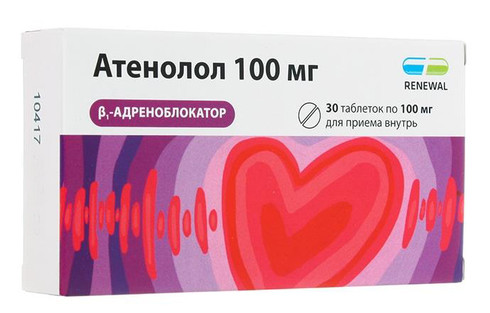
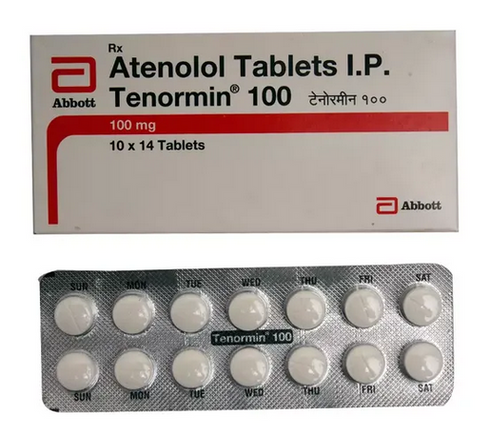
- Because atenolol is water-soluble and crosses the blood-brain barrier poorly, it tends to cause fewer central side effects like nightmares and drowsiness than fat-soluble beta blockers such as propranolol.
- Despite decades as a hypertension workhorse, pooled analyses found atenolol lowered blood pressure without cutting stroke and death as effectively as expected, which is why many guidelines no longer list it as a first choice for uncomplicated high blood pressure.
Mechanism
Atenolol is a competitive at beta-1 receptors, which are concentrated in heart muscle and the kidney. [1] By blocking these receptors it prevents adrenaline (epinephrine) and noradrenaline from stimulating the heart, so heart rate slows, the force of each contraction falls, and the heart's oxygen demand drops; this accounts for its use in angina and arrhythmia. [1] Reduced cardiac output, together with lower renin release from the kidney, brings blood pressure down over time. Its selectivity for beta-1 over beta-2 receptors makes it less likely than non-selective beta blockers to narrow the airways, although this selectivity is only relative and lessens at higher doses. Unlike beta blockers, atenolol is water-soluble and enters the brain poorly, which is thought to reduce central nervous system side effects. [3]
receptor fingerprint
Beta-1 receptor (heart)antagonist
Sinoatrial and AV nodeblocks
Myocardial oxygen demandmodulates
Kidney renin releaseinhibits
Beta-2 receptorblocks
Dosingtypical ranges, not medical advice
interested in protocols and clinical dosages? make an account to see them! ^_^
Safetyrisks and cautions, not medical advice
Atenolol is prescription only. Common effects are fatigue, cold hands and feet, a slow heart rate, dizziness and sometimes erectile problems or low mood. It can blunt the warning signs of low blood sugar in people using insulin. It should not be stopped abruptly because of rebound chest pain or racing heart, and it is used cautiously in asthma, very slow heart rates and certain types of heart block. Combining it with heart slowing calcium blockers such as verapamil or diltiazem can push the heart rate and conduction too low.
Interactionsdocumented pairs only, not exhaustive
Atenolol combined with non-dihydropyridine calcium channel blockers such as verapamil or diltiazem can produce additive effects on atrioventricular (AV) conduction and heart rate. A comparative study in 30 patients with chronic atrial fibrillation showed that beta-blockers (including atenolol) increased latent AV conduction manifesting as increased interval variability (Rrmax/Rrmin ratio 0.4 higher in the beta-blocker group versus calcium antagonist groups), whereas verapamil and diltiazem did not show this effect and produced a more optimal rhythm pattern [4]. Combined use requires ECG monitoring for signs of AV block, and dosage adjustments may be necessary to avoid excessive bradycardia or conduction abnormalities.
Checking a whole stack? Run it through interactions + stacks.
History
Atenolol was developed in the 1970s by Imperial Chemical Industries, the British company whose pharmaceutical division had earlier produced the pioneering beta blocker propranolol. Chemists sought a cardioselective agent that would act preferentially on the heart's beta-1 receptors while being water-soluble enough to limit passage into the brain. Marketed as Tenormin, it became one of the most widely prescribed beta blockers of its era, used for high blood pressure, angina, arrhythmias, and after heart attacks. In later decades, analyses questioning its effect on hard outcomes in uncomplicated hypertension led many guidelines to move it away from first-line status for that indication.
Reputation
Atenolol built a solid reputation as a dependable, once-daily beta blocker, and its water-soluble design is often cited for producing fewer central nervous system side effects such as vivid dreams or fatigue than more fat-soluble agents. It remains useful and widely prescribed for angina, certain arrhythmias, and rate control, where its predictable slowing of the heart is an asset. Its standing for uncomplicated high blood pressure has been revised honestly in light of evidence suggesting it may lower blood pressure without reducing stroke and mortality as much as some alternatives. That nuanced record makes it a drug clinicians still value in the right context while reserving other agents for first-line hypertension.
Subjective profileweighing the evidence above
A cheap, once-daily prescription workhorse for blood pressure, angina and fast rhythms, with decades of use behind it. Expect fatigue and cold hands. It masks the warning signs of low blood sugar if you use insulin, and it must be tapered rather than stopped abruptly.
Where to buy


Suppliers
Vendors carrying Atenolol, with live product details and codes. Links are affiliate links that support the wiki at no cost to you.
| supplier | size | price | $/mg |
|---|---|---|---|
| PCT.Zonelowest | 50MG | $0.70 | $0.014/mg |
| PCT.Zonelowest | 100MG | $1.40 | $0.014/mg |
| PCT.Zone | 25MG | $1.14 | $0.046/mg |
PCT.Zone
Atenolol
PCT.Zone
Atenolol
PCT.Zone
Atenolol

RUPharma🌐
Atenolol
RUPharma🌐
Atenolol
Research
- 2006first cited[Characteristics of action of various drugs blocking atrioventricular conduction (beta-blockers…
- 2017meta-analysisBeta-blockers for hypertension.
- 2021most recentNeuropsychiatric Consequences of Lipophilic Beta-Blockers
- 1.Beta-blockers for hypertension.
- 2.Atenolol as a comparator in outcome trials in hypertension: a correct choice in the past, but not for the future?
- 3.Neuropsychiatric Consequences of Lipophilic Beta-Blockers
- 4.[Characteristics of action of various drugs blocking atrioventricular conduction (beta-blockers, verapamil, diltiazem) in constant fibrillation tachyarrhythmia. Is monotherapy optimal?].
4 listed here; entry last updated August 2026
Reviews
My notesprivate to this device
FAQ
Is atenolol a good first choice for blood pressure?
It works, but guidelines now often prefer other options for uncomplicated high blood pressure because atenolol showed weaker stroke protection.
Can I stop it abruptly?
No. Stopping suddenly can cause a rebound fast heart rate or chest pain, so reduce it gradually.
Will it make me tired?
Fatigue and cold hands and feet are common, especially early on.
Is it safe if I have asthma?
Use caution; at higher doses it can trigger wheezing, so tell your doctor about any asthma.
Can it hide low blood sugar?
Yes. In people on insulin it can mask the warning signs of a low, so monitor closely.
Adverse effects
- Tiredness or fatigue
- Slow heart rate
- Dizziness or lightheadedness
Notes and cautions
- Cold hands and feet
- May mask the warning signs of low blood sugar
- Should not be stopped suddenly
- Caution in asthma, especially at higher doses