
spec sheet11 rows
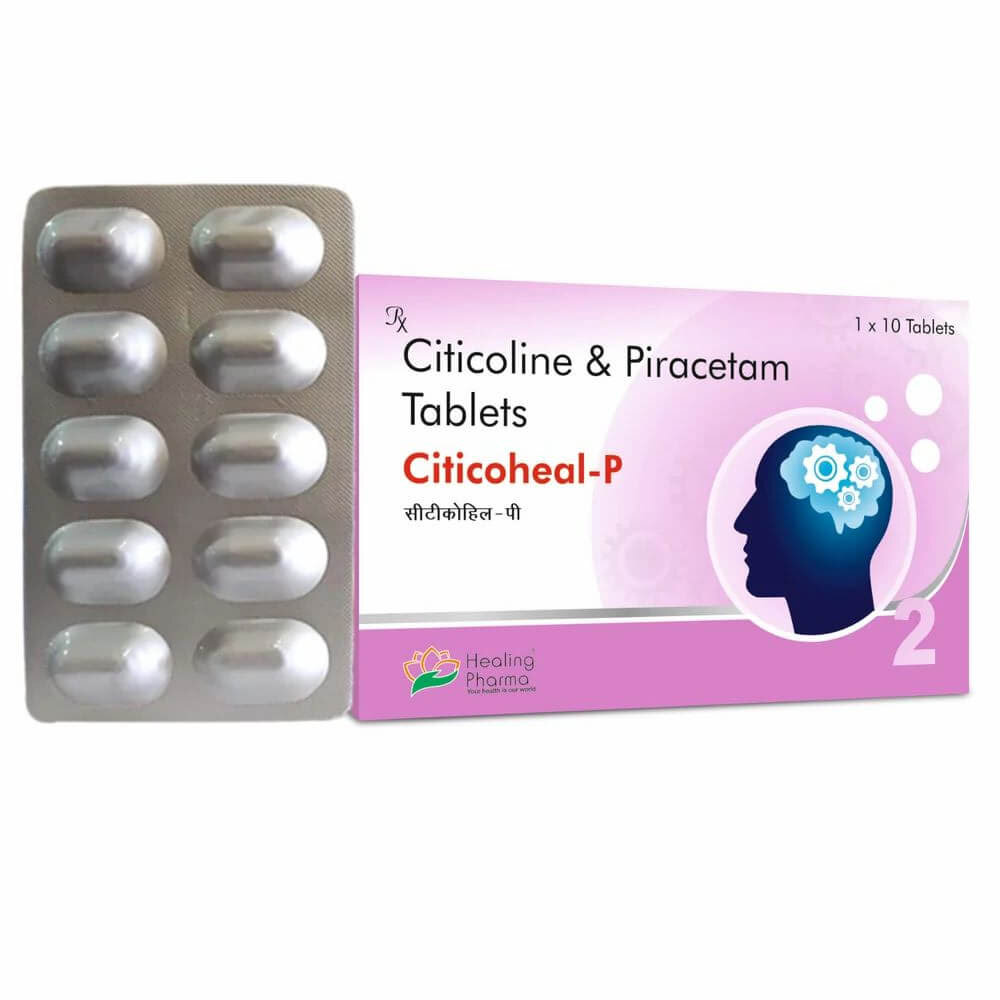
Citicoline + Piracetam Citicoline with piracetam is a combination of two nootropic compounds sometimes taken together for cognitive support. Citicoline, also called cytidine diphosphate choline, is a naturally occurring precursor used to build brain cell membranes and the neurotransmitter acetylcholine, while piracetam is a synthetic derivative of GABA and the original member of the racetam family. The pairing is popular in nootropic circles, although the two ingredients have been studied mainly on their own rather than as a fixed combination.
- Two classic nootropics, one stack
- Supports memory and faster learning
- Feeds the raw material for acetylcholine
- Rebuilds brain cell membranes
- Sharpens attention and daily focus
- Neuroprotective after low oxygen or injury
- Headache
- Nausea or digestive upset
- Nervousness or insomnia
Overview
This entry covers a stack rather than a single molecule: citicoline and piracetam taken together. The two are combined on the theory that their actions are complementary; piracetam is thought to increase the brain's use of acetylcholine, and citicoline supplies choline, the raw material from which acetylcholine is made. It is worth stating plainly that the specific combination has not been tested in rigorous controlled trials, so the case for pairing them rests on the evidence for each component individually and on mechanistic reasoning.
Citicoline is an endogenous compound that serves as a choline donor in the synthesis of acetylcholine and of phosphatidylcholine, a major neuronal membrane phospholipid. In several European and Asian countries it is used as a medicine for stroke recovery and cognitive impairment. A six-month trial in patients after a first ischemic stroke found that citicoline helped prevent cognitive decline, with better attention and executive function [1], and narrative reviews describe its role in supporting neuronal membrane integrity and repair [2]. A Cochrane review of citicoline for cognitive and behavioural disturbances in older people found evidence of benefit for memory and behaviour, though the studies were short and heterogeneous [3].
Piracetam was the first racetam, a derivative of the neurotransmitter GABA that nonetheless does not act mainly through GABA pathways. It is used in parts of Europe for cognitive impairment, cortical myoclonus, vertigo, and dyslexia, and it is not approved as a drug in the United States. A meta-analysis of nineteen double-blind trials found that piracetam produced greater global improvement than placebo in older people with cognitive impairment or dementia [4], and reviews summarize its effects on neuronal membranes, neurotransmission, and microcirculation [5].
Regulatory status differs between the two. Citicoline is sold as a dietary supplement in the United States and as a drug elsewhere, whereas piracetam is neither an approved drug nor a lawful dietary supplement ingredient in the United States, and is prescription-only in the European countries where it is available. The combination is typically taken as capsules or powder, and users should recognize that the pairing itself remains unproven.
- The word nootropic was coined in 1972 by Corneliu Giurgea, the chemist who created piracetam, making piracetam the original member of the entire drug class.
- Citicoline is not a foreign chemical but a naturally occurring molecule the body already uses to build cell membranes and acetylcholine.
- The rationale for the pairing is a supply-and-demand relationship; piracetam is thought to increase the brain's need for acetylcholine while citicoline provides the choline to make it.
Mechanism
The two ingredients are thought to converge on the brain's cholinergic system. Citicoline is broken down to cytidine and ; the choline feeds synthesis of the neurotransmitter and of phosphatidylcholine, a building block of neuronal membranes, which may support membrane integrity and repair [2][3]. Piracetam does not bind classical receptors strongly; instead it is believed to alter neuronal membrane fluidity and to enhance signaling across cholinergic and systems, while also improving microcirculation and reducing the stickiness of red blood cells [5]. The reasoning behind combining them is that piracetam raises the demand for while citicoline provides the needed to meet it. This proposed synergy is mechanistically plausible but has not been demonstrated in controlled trials of the specific combination [4][5].
receptor fingerprint
synthesis ( supply)activates
Phosphatidylcholine and neuronal membranesactivates
receptormodulates
Neuronal membrane fluiditymodulates
modulates
Red blood cell deformability and microcirculationmodulates
Dosingtypical ranges, not medical advice
interested in protocols and clinical dosages? make an account to see them! ^_^
Safetyrisks and cautions, not medical advice
Piracetam is a prescription medicine in many countries and is not approved by the FDA in the United States, while citicoline is widely sold as a dietary supplement; availability of the combination varies by region. Side effects are usually mild and include headache, stomach upset, nervousness, irritability, and trouble sleeping. Piracetam is cleared by the kidneys, so doses should be lowered in kidney impairment, and it has a mild blood thinning effect, so caution is wise for people on anticoagulants or with bleeding risk. It has been reported to occasionally worsen agitation or anxiety in sensitive individuals.
Interactionsdocumented pairs only, not exhaustive
For the piracetam component, product monographs and case data describe an interaction with anticoagulant and antiplatelet therapy; piracetam has antiplatelet activity and has been reported to add to the effect of warfarin and other agents affecting hemostasis, raising bleeding risk. Piracetam labeling also notes it may potentiate the effects of thyroid hormone extract (reports of confusion, irritability, and sleep disturbance) and is used cautiously with drugs that lower seizure threshold. Citicoline is a choline donor and can theoretically enhance cholinergic and levodopa effects, but this is largely theoretical rather than a firmly documented clinical interaction. There are no interaction studies of the fixed combination itself. This is research information, not medical advice.
Checking a whole stack? Run it through interactions + stacks.
History
The two components of this blend have separate and well-documented origins. Piracetam was synthesized in 1964 by the Romanian-born chemist and psychologist Corneliu Giurgea while working at the Belgian pharmaceutical company UCB; observing that it enhanced cognition without the usual stimulant or sedative effects, Giurgea coined the term nootropic in 1972 to describe this new category, making piracetam the prototype of the entire class.
Citicoline, chemically cytidine diphosphate choline, is a naturally occurring intermediate in the synthesis of phosphatidylcholine and was developed as a pharmaceutical in Japan and Europe, where it has long been used in stroke recovery and cognitive decline. Combining the two is a practice that arose within the nootropic community rather than from any formal drug-development program, grounded in the rationale that citicoline can supply the choline that piracetam's heightened cholinergic activity demands. The fixed combination itself has not been the subject of dedicated large clinical trials.
Reputation
This pairing is something of a classic in nootropic circles, admired for the elegant logic that unites its two ingredients rather than for marketing hype. The reasoning is easy to appreciate; piracetam is thought to raise the brain's demand for the neurotransmitter acetylcholine, while citicoline conveniently supplies the choline raw material needed to meet that demand, a complementary relationship that makes intuitive pharmacological sense.
Each ingredient also carries its own respectable pedigree, with piracetam standing as the founding member of the nootropic class and citicoline serving as a genuine building block of neuronal membranes with a track record in clinical neurology. Together they remain a popular, gentle, and much-discussed stack. Intellectual honesty does require one caveat; the two compounds have been studied mostly on their own rather than as this specific combination, so the proposed synergy, while plausible, rests more on mechanism and experience than on dedicated controlled trials.
Subjective profileweighing the evidence above
A sensible pairing rather than a clever one: citicoline supplies the choline that piracetam's cholinergic demand draws on, which is why the two get stacked. Effects are modest and the evidence stays modest with them. Note that piracetam is prescription in many countries and unapproved in the US.
Where to buy
Suppliers
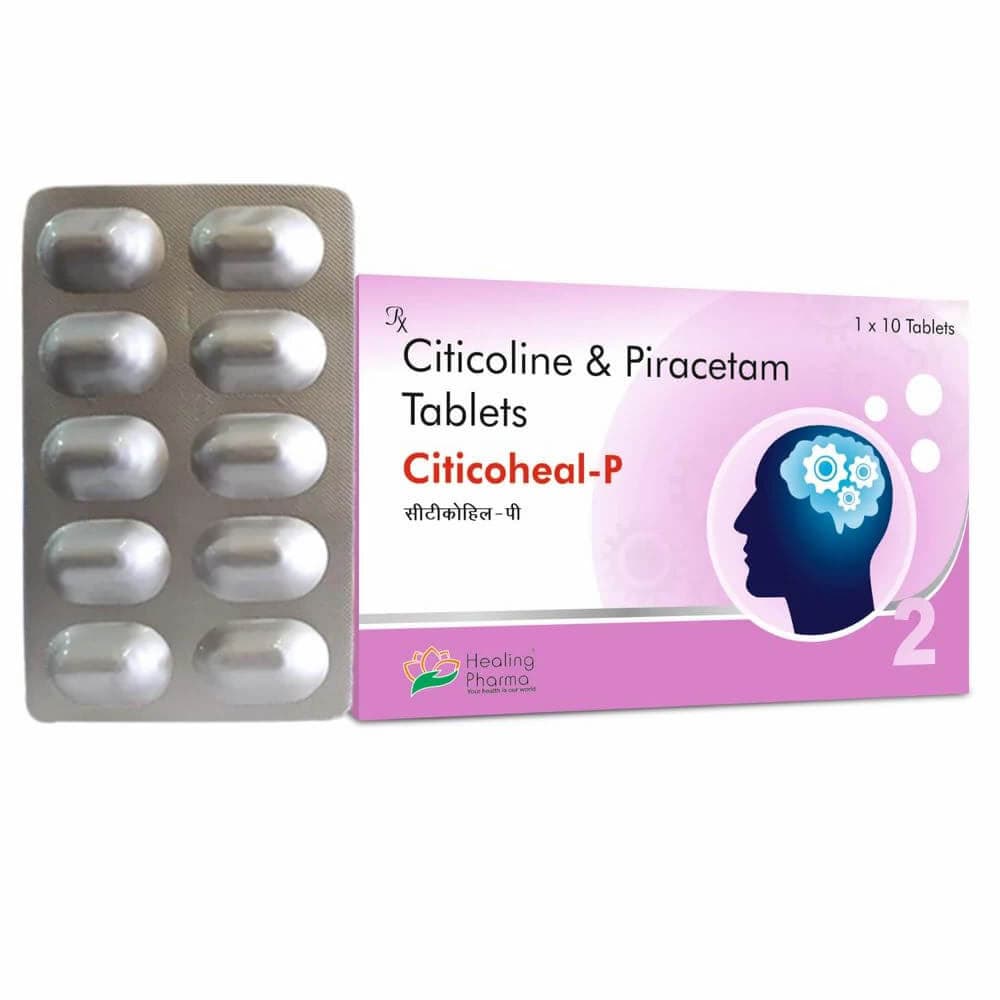
Vendors carrying Citicoline + Piracetam, with live product details and codes. Links are affiliate links that support the wiki at no cost to you.
PCT.Zone
Citicoline + Piracetam
Research
- 2002first citedClinical efficacy of piracetam in cognitive impairment: a meta-analysis
- 2011most recentCiticoline in vascular cognitive impairment and vascular dementia after stroke
- 1.Citicoline in vascular cognitive impairment and vascular dementia after stroke
- 2.Therapeutic applications of citicoline for stroke and cognitive dysfunction in the elderly: a review of the literature
- 3.Cytidinediphosphocholine (CDP-choline) for cognitive and behavioural disturbances associated with chronic cerebral disorders in the elderly.
- 4.Clinical efficacy of piracetam in cognitive impairment: a meta-analysis
- 5.Piracetam: a review of pharmacological properties and clinical uses
5 listed here; entry last updated August 2026
Reviews
My notesprivate to this device
FAQ
Why combine citicoline with piracetam?
Citicoline supplies choline and membrane building blocks while piracetam improves how efficiently neurons signal, so the pair aims to cover both the raw materials and the wiring of memory.
How long until I notice anything?
Most reported benefits build gradually over several weeks of daily use rather than from a single dose, so consistency matters.
Is piracetam legal where I live?
It depends on your country; piracetam is a prescription drug in many places and is not FDA approved in the United States, so check local rules before buying.
Do I still need extra choline?
Citicoline already provides choline, so many people do not need more, but some pair racetams with a choline source to reduce headaches.
Can I take it with blood thinners?
Piracetam has a mild blood thinning effect, so talk to your doctor first if you take anticoagulants or antiplatelet drugs.
Adverse effects
- Headache
- Nausea or digestive upset
- Nervousness or insomnia
Notes and cautions
- Generally well tolerated
- Piracetam is not approved as a drug or supplement in the United States