
spec sheet7 rows
Xylometazoline is a topical nasal decongestant that shrinks the swollen blood vessels in the nasal lining, giving fast relief that lasts several hours.
- Fast, total relief from a blocked nose
- Several hours of clear breathing from one spray
- Acts locally in the nose with minimal systemic exposure
- Cheap and genuinely useful early in a cold
- Makes a flight with a blocked ear bearable
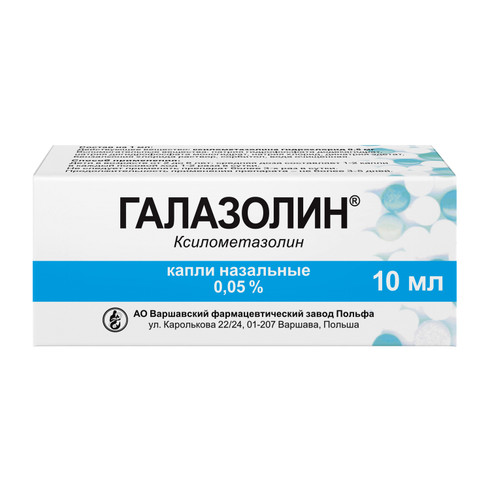
- Xylometazoline's decongestant effect is significantly superior to placebo for up to 10 hours, with high patient satisfaction, and combining it with ipratropium bromide treats congestion and rhinorrhoea simultaneously with better patient impression scores than either alone [1].
- The dose-response plateaus: 0.05% is significantly better than 0.025% but statistically equivalent to 0.1%, so the higher strength buys no additional decongestion [2].
- Head to head, xylometazoline and oxymetazoline are essentially interchangeable on nasal resistance, airflow and cross-sectional area by rhinomanometry and acoustic rhinometry [3].
- It is a stronger acute decongestant than intranasal mometasone furoate in persistent allergic rhinitis, but acute reversibility to xylometazoline had poor repeatability and did not predict corticosteroid response; so it is not a useful diagnostic test [4].
- Rhinitis medicamentosa is not a myth with modern imidazolines: overuse produces rebound congestion, nasal hyperreactivity, tolerance and histological mucosal change, and the benzalkonium chloride preservative worsens it; benzalkonium alone induced mucosal swelling after 30 days in healthy volunteers [5].
Mechanism
It is an imidazoline alpha that constricts the capacitance vessels of the nasal mucosa, reducing the tissue swelling that blocks airflow. Used beyond about five consecutive days it causes rebound congestion, rhinitis medicamentosa, in which the nose is blocked because of the drug rather than the original problem. It is given as a nasal spray or nasal drops, so the drug acts where it is applied and very little reaches the rest of the body at the labelled dose.
receptor fingerprint
Alpha-1 adrenoceptor (ADRA1) on nasal mucosal arterioles and capacitance venulesAgonist (imidazoline sympathomimetic)
Alpha-2 adrenoceptor (ADRA2), presynaptic and vascularAgonist
Nasal mucosal alpha-receptor tachyphylaxis / rebound vasodilatationReceptor downregulation with sustained exposure
Safetyrisks and cautions, not medical advice
Xylometazoline is a single molecule in the respiratory class. A full adverse effect profile has not been compiled for this entry yet, so nothing here should be read as evidence that it is well tolerated; the absence is missing work rather than a finding. What is documented is what the compound is and what it is used for.
Subjective profileweighing the evidence above
The trouble with this one is that it works too well. Relief is immediate and total, which is precisely the mechanism by which people keep using it for months and arrive at rhinitis medicamentosa, a permanently blocked nose caused by the treatment rather than the cold. Kept to the first few days of a viral cold, or a flight with a blocked ear, it is a good and cheap thing to own; past about five consecutive days the rebound sets in and getting off it means a miserable week. Anyone still reaching for the spray daily well beyond that has the drug as the problem, not their sinuses.
Where to buy
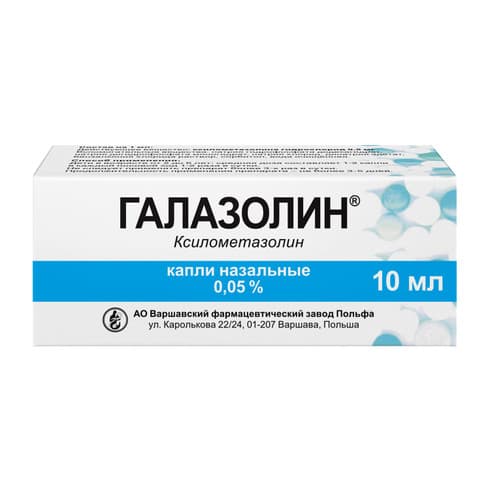
Suppliers
Vendors carrying Xylometazoline, with live product details and codes. Links are affiliate links that support the wiki at no cost to you.
RUPharma🌐
Xylometazoline
Research
- 1997first citedRhinitis medicamentosa: aspects of pathophysiology and treatment
- 2002controlled trialDecongestant activity of a new formulation of xylometazoline nasal spray: a double-blind, rando…
- 2014most recentComparison of nasal hyperosmolar xylitol and xylometazoline solutions on quality of life in pat…
- 1.Effects of intranasal xylometazoline, alone or in combination with ipratropium, in patients with common cold
- 2.Decongestant activity of a new formulation of xylometazoline nasal spray: a double-blind, randomized versus placebo and reference drugs controlled, dose-effect study
- 3.A comparative analysis of the decongestive effect of oxymetazoline and xylometazoline in healthy subjects
- 4.Decongestant effects of nasal xylometazoline and mometasone furoate in persistent allergic rhinitis
- 5.Rhinitis medicamentosa: aspects of pathophysiology and treatment
- 6.Comparison of nasal hyperosmolar xylitol and xylometazoline solutions on quality of life in patients with inferior turbinate hypertrophy secondary to nonallergic rhinitis
6 listed here; entry last updated August 2026
Reviews
My notesprivate to this device
Notes and cautions
- There is no boxed warning.
- The dominant risk is rhinitis medicamentosa on use beyond about 5-7 consecutive days, which produces the rebound congestion that drives continued use; the treatment is decongestant withdrawal plus a topical corticosteroid to cover the withdrawal period, and patients who have had it should be warned that even a few days of renewed use can restart the cycle [5].
- Local adverse effects with short-term use are mild; epistaxis in about 3.4% and blood-tinged mucus in 10-26%; with headache the commonest non-nasal effect and no reported sedation in adults [1].
- Because it is applied topically it avoids the systemic sympathomimetic effects of oral pseudoephedrine or phenylephrine, but accidental ingestion by young children causes serious CNS depression, bradycardia and coma, and the drug is contraindicated in infants and in patients taking MAO inhibitors.