
spec sheet13 rows
T4, known generically as levothyroxine, is a synthetic version of thyroxine, the main hormone made by the thyroid gland. Chemically identical to the natural hormone, it is one of the most widely prescribed medicines in the world and is used to replace thyroid hormone in people whose glands are underactive. It works as a prohormone, serving as a steady reservoir that the body converts into the more active hormone triiodothyronine.
- the standard fix for an underactive thyroid, and it works
- chemically identical to the hormone the thyroid makes
- a long half-life keeps blood levels smooth day to day
- the body converts it to active T3 at its own pace
- one of the most prescribed medicines in the world
- very safe at correct replacement doses
- Anxiety, tremor, or difficulty sleeping
- Heat intolerance and increased sweating
- Weight loss and increased appetite
Overview
T4 is the common designation for thyroxine, the principal hormone secreted by the thyroid gland, and its manufactured form is the drug levothyroxine. It is an iodine-rich molecule built on a tyrosine framework that carries four iodine atoms, and the synthetic product is structurally indistinguishable from the hormone the body makes [1][3]. Sold under brand names such as Synthroid, Euthyrox, and Levoxyl as well as numerous generics, it ranks among the most frequently dispensed prescription drugs in many countries [3].
The main use of levothyroxine is long-term replacement therapy for hypothyroidism, a common condition in which the thyroid produces too little hormone [1][3]. It is also given to shrink or prevent certain goiters and thyroid nodules, to suppress thyroid-stimulating hormone in the management of thyroid cancer, and, in urgent settings, to treat myxedema coma [1]. Reviews of clinical practice note that although the drug is highly effective and safe, both under-treatment and over-treatment are common, and dosing is guided by periodic measurement of thyroid-stimulating hormone [2][3]. A combination approach that adds triiodothyronine has been examined but has generally not shown an advantage over thyroxine alone for most patients [3].
Thyroxine was first isolated in crystalline form in 1914 and was chemically synthesized in the following decade [1]. Levothyroxine is available as oral tablets and as an injectable form, and it appears on the World Health Organization's list of essential medicines [3]. It is usually taken on an empty stomach because food, coffee, and certain supplements can blunt its absorption; controlled work has shown, for example, that coffee can measurably reduce the amount of L-thyroxine taken up from the gut [4]. Because the hormone has a long half-life, several weeks are generally needed before blood levels stabilize after a change in therapy [2]. It is regarded as safe during pregnancy, a period when hormone requirements often rise [2].

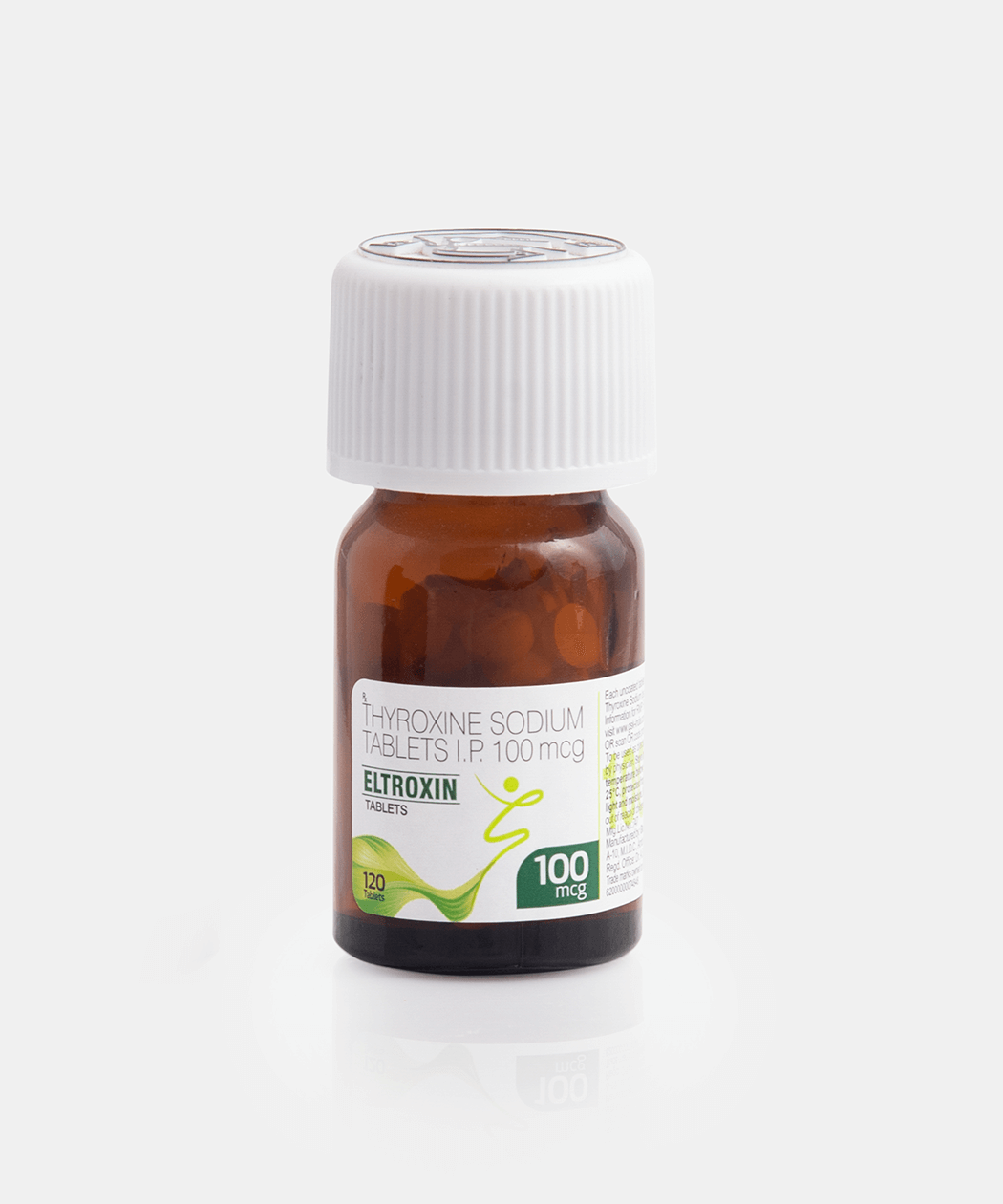
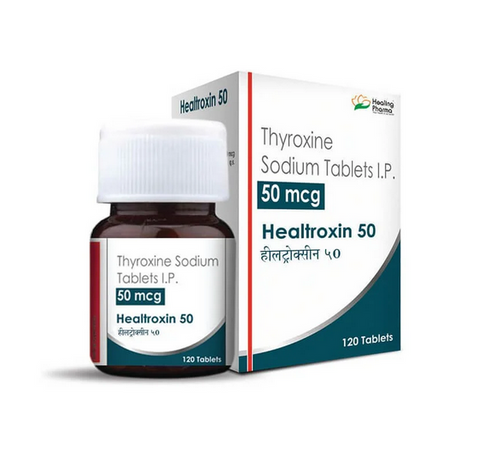
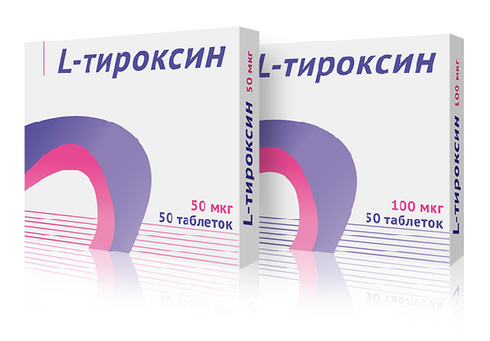
- Thyroxine was first isolated at the Mayo Clinic in 1914, making levothyroxine's active ingredient more than a century old.
- Levothyroxine is consistently among the most prescribed medications in the world.
- T4 works as a prohormone, serving as a steady reservoir the body converts into the more active hormone T3 as needed.
Mechanism
Levothyroxine supplies the body with thyroxine, which functions chiefly as a prohormone. Circulating T4 is taken up by tissues and converted by iodothyronine deiodinase enzymes into triiodothyronine, the form that binds strongly to nuclear thyroid hormone receptors [1][3]. Acting on DNA, those receptors switch numerous genes on or off and thereby govern the basal metabolic rate, heat production, protein synthesis, and the metabolism of fats and carbohydrates [1].
By restoring hormone levels, the drug reverses the slowed metabolism, weight gain, cold intolerance, and fatigue that characterize an underactive thyroid [1][3]. Thyroid hormone also feeds back on the pituitary gland to restrain the release of thyroid-stimulating hormone, which is why laboratory measurement of that hormone is used to fine-tune therapy [2][3]. Because T4 must first be deiodinated to T3, its onset is gradual and its effect is smooth and sustained, a feature that distinguishes it from the faster-acting triiodothyronine [1].
receptor fingerprint
Thyroid hormone (prohormone)supplies T4
Conversion to T3 (active)via deiodinase
Metabolic ratenormalizes
Dosingtypical ranges, not medical advice
interested in protocols and clinical dosages? make an account to see them! ^_^
Safetyrisks and cautions, not medical advice
At correct replacement doses levothyroxine is very safe; over-dosing produces hyperthyroid symptoms such as palpitations, arrhythmia, insomnia, and, chronically, bone loss. Dosing must be titrated to TSH under medical supervision. Prescription medicine.
Interactionsdocumented pairs only, not exhaustive
Levothyroxine absorption is reduced by calcium and iron supplements, forming insoluble chelate complexes in the gastrointestinal tract; this is a pharmacokinetic interaction where the co-administered mineral decreases levothyroxine's bioavailability [22]. Proton pump inhibitors and bile acid sequestrants impair levothyroxine absorption through alkalizing or binding mechanisms, respectively [22]. The direction is clear; calcium, iron, PPIs, and sequestrants reduce levothyroxine levels, not the reverse. Separated dosing (levothyroxine at least 4 hours before calcium or iron) typically eliminates these interactions. Coffee, soy products, and high-fiber meals show weak evidence of reducing absorption but are often overstated in clinical practice [23].
Checking a whole stack? Run it through interactions + stacks.
History
Thyroxine, the hormone reproduced synthetically as levothyroxine, has one of the longest histories of any modern medicine. The hormone was first isolated in crystalline form in 1914 by Edward Calvin Kendall at the Mayo Clinic, and its chemical structure was determined and the molecule synthesized by Charles Harington and George Barger in the 1920s.
Synthetic levothyroxine, chemically identical to the natural hormone, was later developed as a stable oral replacement and gradually displaced the older desiccated thyroid extracts as the standard treatment for underactive thyroid. Because T4 functions as a prohormone that the body converts into the more active T3, it provides a steady, smooth, and sustained effect well suited to lifelong daily replacement. Levothyroxine has since become one of the most widely prescribed medicines in the world and is included on the World Health Organization's list of essential medicines.
Reputation
Levothyroxine is one of the most trusted and heavily prescribed drugs on earth, and for good reason: it reliably restores normal thyroid hormone levels and reverses the fatigue, weight gain, and cold intolerance of an underactive thyroid. Clinicians favor it as the treatment of choice for hypothyroidism because it is chemically identical to the body's own hormone, inexpensive, and easy to fine-tune using a simple blood test. Its gradual onset and steady action make it well suited to once-daily lifelong use. Honest practice recognizes that a minority of patients continue to feel unwell despite normal test results, prompting ongoing research into combination therapy with liothyronine and into whom to treat when thyroid function is only mildly reduced. On the whole, its combination of effectiveness, safety, and low cost has kept it the cornerstone of thyroid replacement for generations.
Subjective profileweighing the evidence above
The right answer for an underactive thyroid and a poor idea for anything else. Very safe at correct replacement doses and clearly harmful above them, causing palpitations, arrhythmia, insomnia and bone loss over time. Dose it to TSH under supervision, not to how you feel in a given week.
Where to buy


Suppliers
Vendors carrying T4, with live product details and codes. Links are affiliate links that support the wiki at no cost to you.
| supplier | size | price | $/mg |
|---|---|---|---|
| PCT.Zonelowest | 100MCG | $3.30 | $33.00/mg |
| PCT.Zone | 100MCG | $4.13 | $41.30/mg |
| PCT.Zone | 50MCG | $2.64 | $52.80/mg |
| PCT.Zone | 25MCG | $2.32 | $92.80/mg |
PCT.Zone
T4
PCT.Zone
T4
PCT.Zone
T4
PCT.Zone
T4
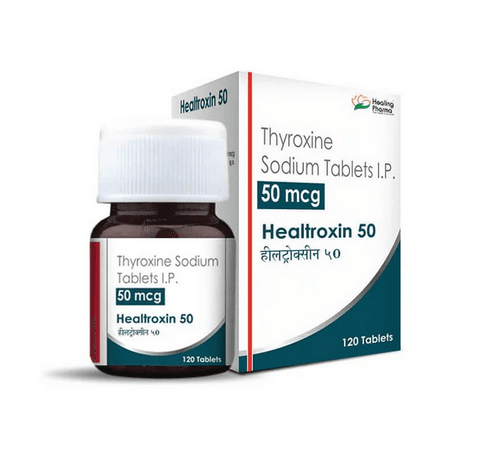
RUPharma🌐
Levothyroxine
RUPharma🌐
Levothyroxine
Research
- 2004first citedHypothyroidism.
- 2012most active year3 papers
- 2020controlled trialEffect of Thyroid Hormone Therapy on Fatigability in Older Adults With Subclinical Hypothyroidi…
- 2023most recentMedications and Food Interfering with the Bioavailability of Levothyroxine: A Systematic Review.
- 1.Hypothyroidism.
- 2.Management of hypothyroidism in adults.
- 3.Hypothyroidism: an update.
- 4.Altered intestinal absorption of L-thyroxine caused by coffee.
- 5.Thyroid Hormone Therapy for Older Adults with Subclinical Hypothyroidism
- 6.Skeletal Effects of Levothyroxine for Subclinical Hypothyroidism in Older Adults: A TRUST Randomized Trial Nested Study
- 7.L-Thyroxine Therapy for Older Adults With Subclinical Hypothyroidism and Hypothyroid Symptoms: Secondary Analysis of a Randomized Trial
- 8.Effect of Thyroid Hormone Therapy on Fatigability in Older Adults With Subclinical Hypothyroidism: A Nested Study Within a Randomized Placebo-Controlled Trial
- 9.Overt and subclinical hypothyroidism: who to treat and how
- 10.Primary hypothyroidism and quality of life
- 11.Factors Affecting Gastrointestinal Absorption of Levothyroxine: A Review
- 12.Conditions and drugs interfering with thyroxine absorption
23 listed here; entry last updated August 2026
Reviews
My notesprivate to this device
FAQ
What is T4?
It is the storage form of thyroid hormone (levothyroxine) that the body converts into active T3 as needed. It is the standard treatment for hypothyroidism.
Why take it on an empty stomach?
Food, coffee and certain minerals can reduce its absorption. Taking it consistently on an empty stomach helps keep levels stable.
Why is it long-acting?
It has a long half-life of about a week, so levels stay steady between doses. This makes once-daily dosing effective.
How does it relate to T3?
T4 serves as a reservoir the body converts into T3, the active hormone. This conversion helps keep thyroid activity steady.
Adverse effects
- Anxiety, tremor, or difficulty sleeping
- Heat intolerance and increased sweating
- Weight loss and increased appetite
- Long-term overtreatment may affect bone density
Notes and cautions
- Signs of excess hormone such as a rapid or irregular heartbeat