
spec sheet13 rows
Sertraline is a selective serotonin reuptake inhibitor (SSRI) prescribed mainly as an antidepressant. It is approved for major depressive disorder together with several anxiety-spectrum conditions, including obsessive-compulsive disorder, panic disorder, social anxiety disorder, post-traumatic stress disorder, and premenstrual dysphoric disorder. Introduced by Pfizer in the early 1990s and sold most widely under the brand name Zoloft, it is among the most frequently prescribed medicines of its class.
- One of the most prescribed SSRIs anywhere
- Mood lifts; anxiety steadies
- Approved across the whole anxiety spectrum
- A staple in OCD and panic care
- Carries a slight dopamine touch
- Decades of real world track record
- nausea, diarrhea, or other gastrointestinal upset
- insomnia or, in some people, drowsiness
- sexual dysfunction, which can persist in a minority of cases
Overview
Sertraline is an orally active antidepressant belonging to the selective serotonin reuptake inhibitor (SSRI) family. Chemically it is a naphthalenamine (1-aminotetralin) derivative, and it is usually supplied as the hydrochloride salt in tablet and oral concentrate forms [4]. The molecule was first synthesized by Pfizer chemists during the 1970s in a program exploring compounds related to earlier neuroleptic agents, and it reached the United States market in 1991 [1].
Regulatory approvals span major depressive disorder as well as obsessive-compulsive disorder, panic disorder, social anxiety disorder, post-traumatic stress disorder, and premenstrual dysphoric disorder; it is also used off-label for conditions such as premature ejaculation [4]. A large network meta-analysis comparing 21 antidepressants placed sertraline among the agents with a favorable balance of efficacy and acceptability, which has helped make it a common first-line choice [1]. Evidence also supports its value for relapse prevention during longer maintenance treatment, although tolerability during extended use varies between people [2].
Sertraline is absorbed slowly after oral dosing and undergoes extensive first-pass metabolism to N-desmethylsertraline, a weakly active metabolite [4]. Its elimination half-life supports once-daily administration, and it has comparatively modest effects on the major cytochrome P450 enzymes, so clinically important drug interactions are relatively uncommon [4]. Inherited variation in enzymes such as CYP2C19 and CYP2D6 can influence how quickly a given person clears the drug, and pharmacogenetic guidelines describe how such differences may inform prescribing [3].
The drug is a prescription-only medicine in the United States, United Kingdom, Canada, and Australia, and generic versions have been available since the mid-2000s [1]. Like other SSRIs it carries class-wide cautions, including heightened attention to suicidal thinking in younger patients, and stopping it abruptly can trigger discontinuation symptoms [3]. Overall it is regarded as well tolerated and relatively safe in overdose compared with older tricyclic antidepressants [4].
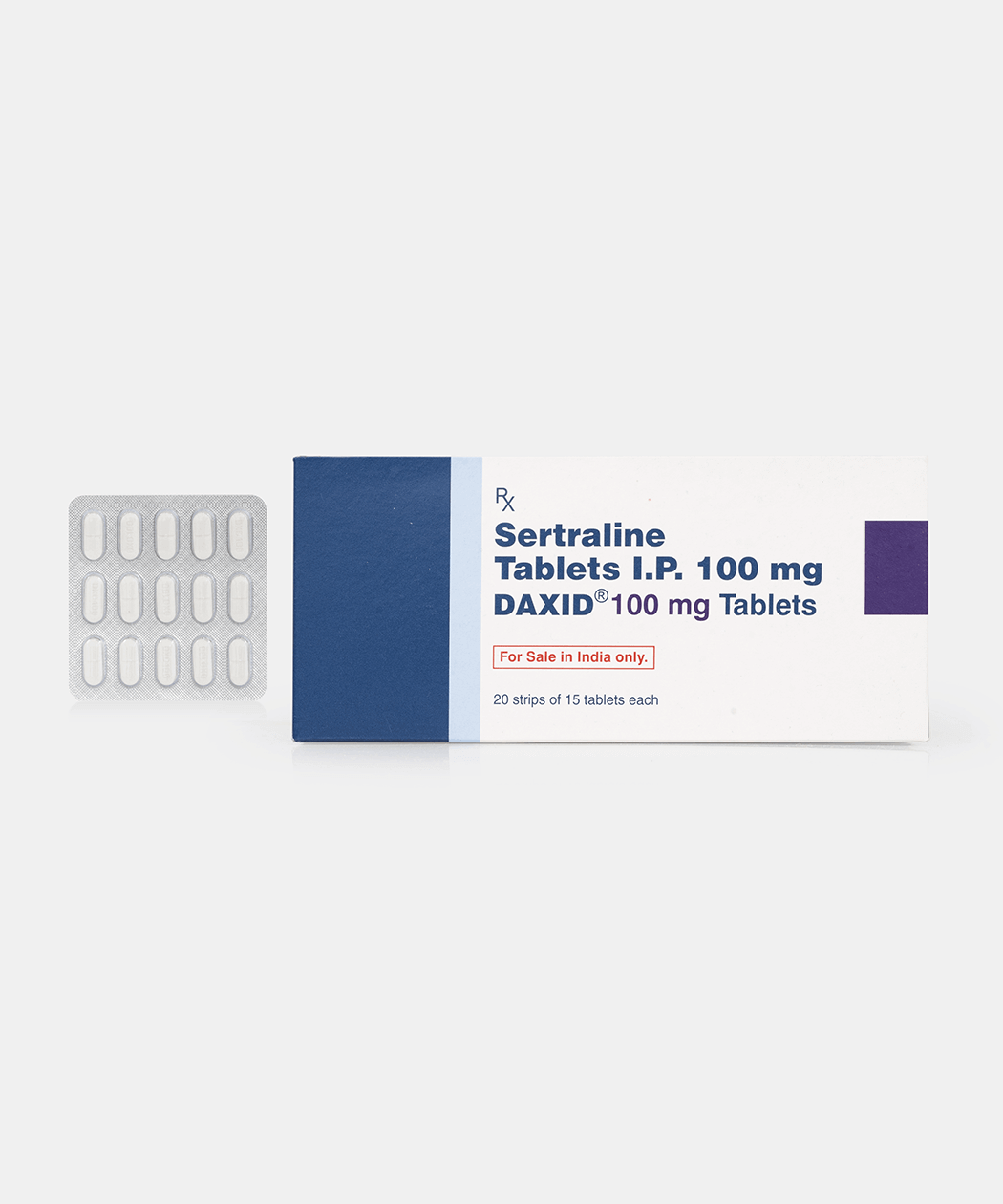
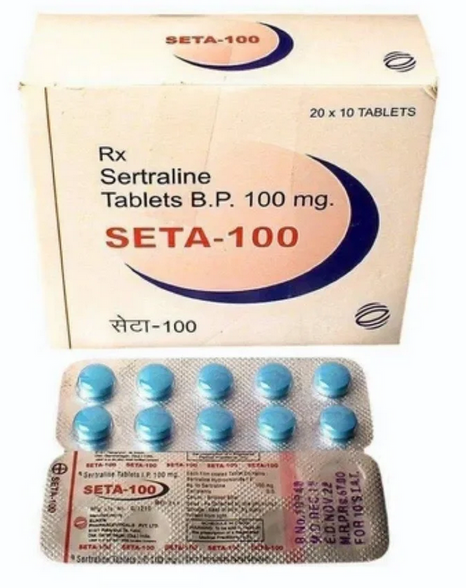
- It grew out of research on tametraline, an earlier Pfizer compound, before emerging as a selective serotonin reuptake inhibitor.
- A widely cited 2018 network meta-analysis of 21 antidepressants singled it out for a favorable balance of efficacy and acceptability.
- It carries approvals for more distinct conditions, including OCD, PTSD, panic disorder, social anxiety disorder, and premenstrual dysphoric disorder, than many other SSRIs.
Mechanism
Sertraline acts chiefly by binding the transporter (SERT) and blocking reabsorption of serotonin into presynaptic neurons, which increases the amount of serotonin available in the cleft [4]. This enhanced serotonergic signaling is thought to underlie its antidepressant and anti-anxiety effects, although the full clinical response usually develops over several weeks, implying downstream adaptive changes in receptor sensitivity and neural circuitry [1]. At higher exposures the molecule also shows some affinity for the and behaves as a sigma-1 receptor , effects generally viewed as secondary to reuptake inhibition [3]. Because it is processed by several cytochrome P450 enzymes, genetically determined differences in enzyme activity can shift drug levels and tolerability from one individual to another [3].
receptor fingerprint
transporter (SERT)inhibits
receptors (downstream)adapts
weakly inhibits
Safetyrisks and cautions, not medical advice
Sertraline is a widely used SSRI whose common effects include nausea, diarrhea, insomnia, and sexual dysfunction. It carries a boxed warning for increased suicidal thoughts in children, adolescents, and young adults, and can rarely cause serotonin syndrome (especially when combined with other serotonergic drugs), low sodium (hyponatremia), and increased bleeding risk, particularly with NSAIDs or anticoagulants. Abrupt discontinuation can cause withdrawal symptoms, so it should be tapered under medical supervision and not combined with MAO inhibitors.
Interactionsdocumented pairs only, not exhaustive
Sertraline is a CYP2D6 inhibitor that reduces the metabolism of opioid analgesics, particularly affecting drugs like hydrocodone that rely on CYP2D6 for conversion to active metabolites. In a large cohort study of patients initiating an SSRI while on hydrocodone, sertraline showed the lowest risk profile among SSRIs for opioid overdose events, whereas other SSRIs (citalopram, escitalopram, fluoxetine, paroxetine) that are stronger CYP2D6 inhibitors increased overdose risk by 17-29 percent; this is a pharmacokinetic interaction where sertraline changes opioid metabolism [23]. Sertraline also affects esketamine pharmacokinetics when given as adjunctive therapy; patients on sertraline showed lower serum esketamine levels compared to those on paroxetine or fluoxetine, again reflecting its relatively mild CYP inhibition [24]. The interaction with most tramadol-type opioids remains documented but sertraline carries less risk than other SSRIs in this class.
Sertraline's clinical significance is mainly limited to opioid pain medications and NMDA antagonist anesthetics. There is minimal documented interaction risk with most other drug classes. The absence of data means combinations with antihistamines, stimulants, anticholinergics, and most supplements are not formally studied and remain unknown.
Checking a whole stack? Run it through interactions + stacks.
History
Sertraline was discovered by chemists at Pfizer, where Kenneth Koe, Willard Welch, and Reinhard Sarges worked from a series of compounds related to the earlier molecule tametraline to arrive at a potent and selective serotonin reuptake inhibitor. Synthesized in the early 1980s, it was developed through clinical trials over the following years and approved by the United States Food and Drug Administration in 1991. Marketed most widely under the brand name Zoloft, it went on to become one of the most frequently prescribed antidepressants of its class. Beyond major depression, it earned approvals across a notably broad set of anxiety-spectrum conditions, including obsessive-compulsive disorder, panic disorder, social anxiety disorder, post-traumatic stress disorder, and premenstrual dysphoric disorder.
Reputation
Sertraline is one of the most widely prescribed and clinically respected antidepressants, often chosen as a sensible first-line option. In a landmark network meta-analysis of twenty-one antidepressants, it was repeatedly highlighted as offering one of the better balances of efficacy and acceptability, which has reinforced its standing among prescribers. Its unusually broad range of approved uses, spanning depression and several anxiety and stress-related disorders, adds to its versatility. Patients and clinicians benefit from decades of accumulated experience with the drug. As with all medicines in this class, it has trade-offs, including the potential for sexual side effects, gastrointestinal upset, and discontinuation symptoms, and full benefit typically emerges over several weeks. On the whole it is regarded as an effective and dependable choice.
Subjective profileweighing the evidence above
One of the more reliable first-line antidepressants, and the breadth is the point; depression, OCD, panic, PTSD and social anxiety all sit inside its label. Nausea usually settles, sexual side effects often do not, and it carries a boxed warning for suicidal thinking in young people. Under a prescriber, and taper rather than stopping abruptly.
Where to buy

1 other outlet
Suppliers
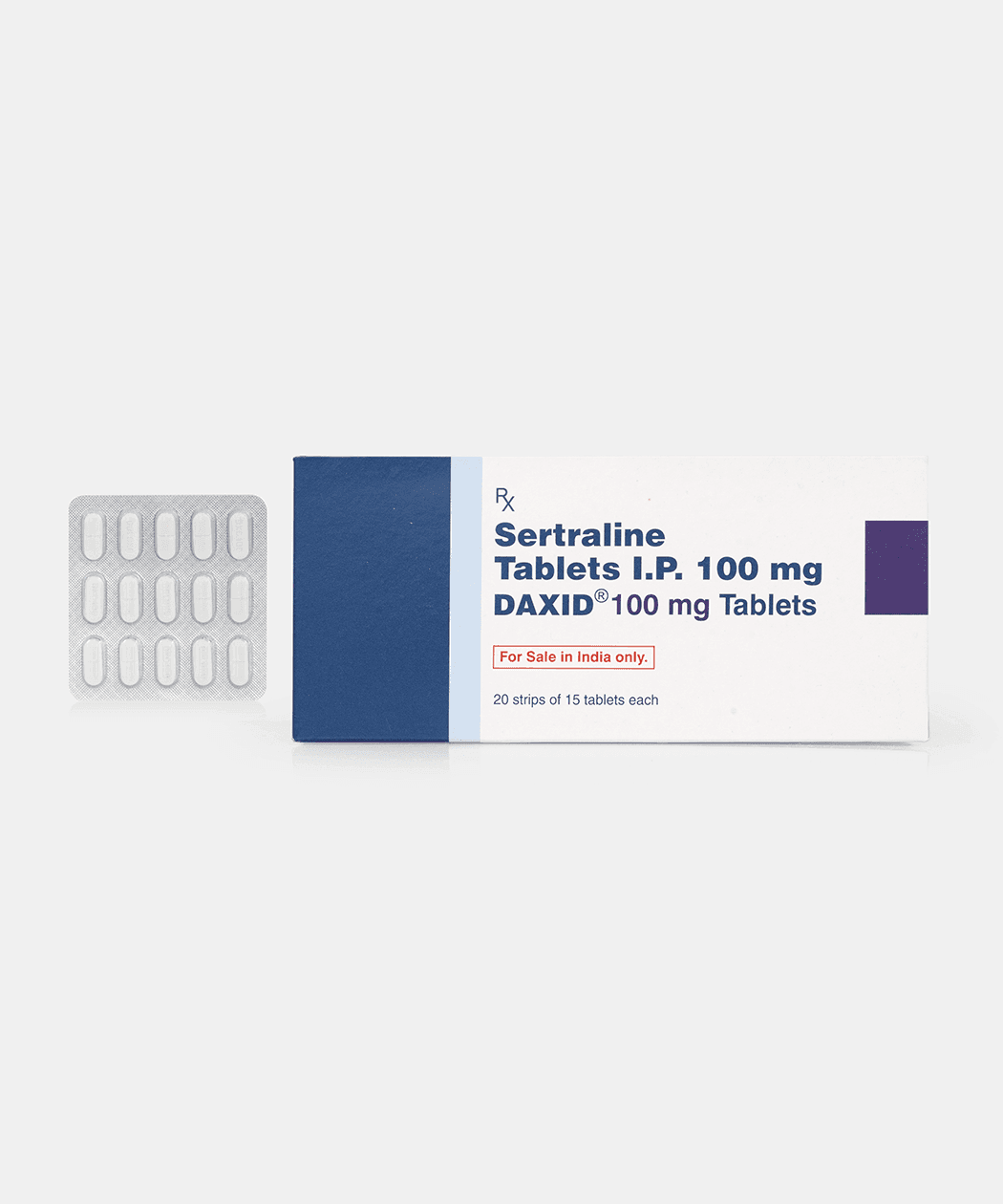
Vendors carrying Sertraline, with live product details and codes. Links are affiliate links that support the wiki at no cost to you.
PCT.Zone
Sertraline
RUPharma🌐
Sertraline
Research
- 1996first citedDoes intolerance or lack of response with fluoxetine predict the same will happen with sertrali…
- 2018meta-analysisComparative efficacy and acceptability of 21 antidepressant drugs for the acute treatment of ad…
- 2025most recentRepurposing the Antidepressant Sertraline: A Systematic Scoping Review of Its Anticancer Mechan…
- 1.Comparative efficacy and acceptability of 21 antidepressant drugs for the acute treatment of adults with major depressive disorder: a systematic review and network meta-analysis
- 2.Antidepressants for the treatment of adults with major depressive disorder in the maintenance phase: a systematic review and network meta-analysis
- 3.Clinical Pharmacogenetics Implementation Consortium (CPIC) Guideline for CYP2D6, CYP2C19, CYP2B6, SLC6A4, and HTR2A Genotypes and Serotonin Reuptake Inhibitor Antidepressants
- 4.Clinical pharmacokinetics of sertraline
- 5.PharmGKB summary: sertraline pathway, pharmacokinetics.
- 6.Population Pharmacokinetics of Sertraline in Healthy Subjects: a Model-Based Meta-analysis.
- 7.Sertraline (Zoloft) response in major depressive disorder is not associated with three 5-HT1A receptor gene polymorphisms (rs6295, rs10042486, or rs1364043) in Chinese-Han patients.
- 8.Pretreatment metabotype as a predictor of response to sertraline or placebo in depressed outpatients: a proof of concept.
- 9.Selection of the optimal dose of sertraline for depression: A dose-response meta-analysis of randomized controlled trials.
- 10.Brexpiprazole and Sertraline Combination Treatment in Posttraumatic Stress Disorder: A Phase 3 Randomized Clinical Trial.
- 11.Fixed-Dose Brexpiprazole and Sertraline Combination Therapy for the Treatment of Posttraumatic Stress Disorder: A Phase 3, Randomized Trial.
- 12.Sertraline and/or interpersonal psychotherapy for patients with dysthymic disorder in primary care: 6-month comparison with longitudinal 2-year follow-up of effectiveness and costs.
24 listed here; entry last updated August 2026
Reviews
My notesprivate to this device
FAQ
What is sertraline?
It is a widely used SSRI antidepressant that increases serotonin signaling, with a slight effect on dopamine reuptake. It is used for depression, anxiety and OCD.
How long until it works?
Antidepressant effects usually build over several weeks rather than immediately. Early weeks can involve more side effects that often settle.
Should it be taken morning or night?
It can be taken either time; some prefer morning if it affects sleep. Consistency day to day is what matters most.
Why not stop it abruptly?
Stopping suddenly can cause discontinuation symptoms, so tapering under guidance is usual. Any changes should involve a clinician.
Adverse effects
- nausea, diarrhea, or other gastrointestinal upset
- insomnia or, in some people, drowsiness
- sexual dysfunction, which can persist in a minority of cases
- headache, dizziness, or tremor
Notes and cautions
- discontinuation symptoms when stopped abruptly