
spec sheet13 rows
Fluvoxamine is an antidepressant belonging to the selective serotonin reuptake inhibitor (SSRI) class, sold under brand names such as Luvox. Introduced in the 1980s, it was among the earliest SSRIs to reach the market and is used mainly for obsessive-compulsive disorder, depression, and several anxiety disorders. Unlike most other SSRIs, it is also a strong activator of the sigma-1 receptor, a feature that has drawn research interest well beyond psychiatry, including studies of its use in COVID-19. It is known for interacting with many other medicines because it inhibits certain liver enzymes.
- The SSRI with a sigma 1 twist
- Built for OCD and anxiety spectrum work
- A mechanism no other SSRI shares
- Studied far beyond psychiatry
- Among the very first SSRIs to market
- Nausea, sleep disturbance, and headache, especially early in treatment
- Sexual difficulties, as with other SSRIs
- Many drug interactions through strong inhibition of liver enzyme CYP1A2
Overview
Fluvoxamine is a selective serotonin reuptake inhibitor, a family of antidepressants that increase the amount of serotonin available between nerve cells [1][2]. Chemically it is a fluorinated compound with the molecular formula C15H21F3N2O, and it is a potent and highly selective blocker of the serotonin transporter, favouring it roughly a hundredfold over the transporter for noradrenaline [1]. A feature that sets it apart from other SSRIs is its strong action at the sigma-1 receptor, a distinct protein involved in cellular stress responses, where it behaves as an agonist [1][3]. It is taken by mouth, has a half-life of around half a day that lengthens with repeated dosing, and is cleared through the liver [2].
Fluvoxamine was developed by the pharmaceutical firm Kali-Duphar, later part of Solvay, and was first introduced in Switzerland in the early 1980s under the name Floxyfral, making it one of the first SSRIs to be marketed anywhere [1]. It later reached the United States in 1994 under the brand name Luvox, where it was notable as the first SSRI approved specifically for obsessive-compulsive disorder, including in children [1]. It has since been sold under several names in different countries and is available as a generic [1].
The drug is used chiefly for obsessive-compulsive disorder and major depression, and it is also prescribed for social anxiety disorder, panic disorder, and related anxiety conditions [1][2]. A review of its pharmacology concluded that it is a well-tolerated option for panic disorder and social anxiety, while cautioning that its extensive interactions with liver enzymes can limit its use in older people or those taking many other drugs [2]. Beyond psychiatry, interest in fluvoxamine widened during the COVID-19 pandemic; a large randomised platform trial in high-risk outpatients found that early treatment reduced the need for emergency care or hospitalisation, an effect often attributed to its sigma-1 activity and possible anti-inflammatory action rather than to its serotonin effects [4]. Regulators nonetheless considered the overall evidence insufficient to authorise it for that purpose [1].
As with other SSRIs, the more common side effects include nausea, sleep disturbance, headache, and sexual difficulties, and combining it with other serotonin-boosting drugs can risk serotonin syndrome [1][2]. Its most distinctive practical concern is its effect on drug metabolism; fluvoxamine strongly inhibits the liver enzyme CYP1A2 and also CYP2C19, so it can raise blood levels of substances processed by those enzymes, including caffeine, the antipsychotic clozapine, and theophylline [1][2]. For this reason it is prescribed with particular care when other medications are involved [2]. It is supplied as tablets and extended-release capsules [1].
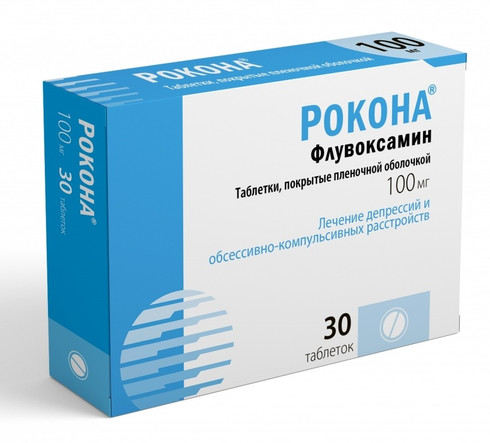
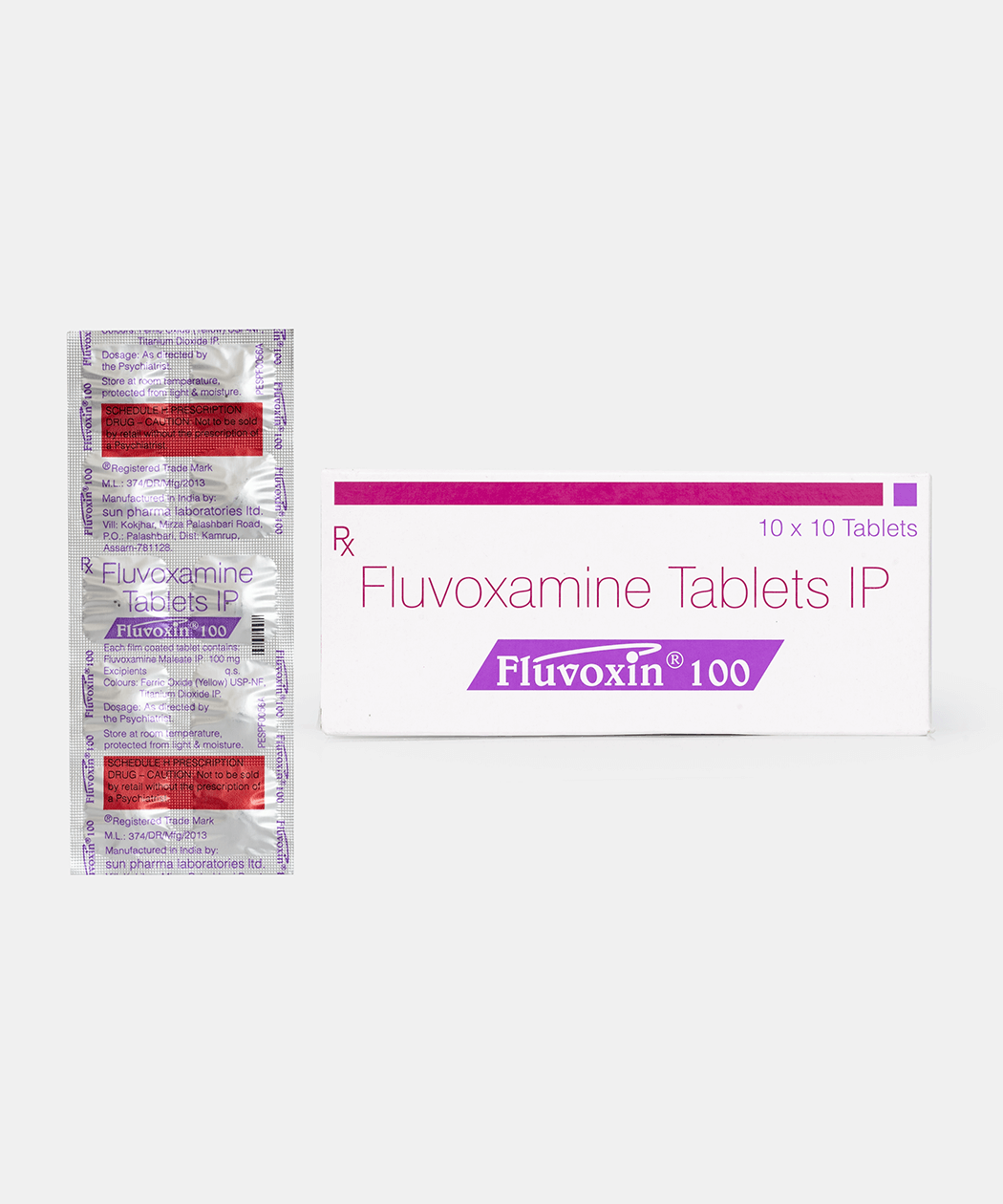
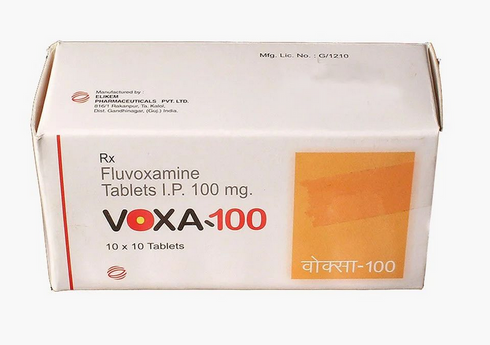
- Fluvoxamine was among the first SSRIs ever marketed, reaching patients in Europe in 1983, roughly five years before fluoxetine became a household name.
- Unlike most SSRIs, it is a potent agonist of the sigma-1 receptor, the property that drew it into COVID-19 research.
- It is one of the strongest inhibitors of the liver enzyme CYP1A2 in clinical use, which is why it can raise blood levels of caffeine, theophylline, and several other drugs.
Mechanism
Fluvoxamine's principal action is to block the transporter, the pump that clears serotonin from the , so that more of the neurotransmitter remains available to signal between neurons; this is the shared basis of the SSRIs' antidepressant and anti-obsessional effects [1][2]. What distinguishes fluvoxamine is that it is also a potent at the sigma-1 receptor, a chaperone protein in the membrane of the endoplasmic reticulum that helps regulate calcium handling, cellular stress, and inflammation [1][3].
Animal studies of obsessive-compulsive-like behaviour have shown that some of fluvoxamine's effects depend on this sigma-1 activity, unlike the closely related drug paroxetine, whose actions do not [3]. The same sigma-1 mechanism has been proposed to explain its anti-inflammatory potential and its investigated role in COVID-19 [4]. Separately, fluvoxamine is a strong inhibitor of the liver enzyme CYP1A2, which accounts for many of its drug interactions [1].
receptor fingerprint
transporter (SERT)inhibits
Sigma-1 receptoragonist (high affinity)
receptorsmodulates
Safetyrisks and cautions, not medical advice
Fluvoxamine is an SSRI and a potent inhibitor of CYP1A2 and CYP2C19, giving it a high potential for serious drug interactions (for example with caffeine, theophylline, tizanidine, and clozapine). It shares class effects such as nausea, somnolence, sexual dysfunction, and a discontinuation syndrome, and can precipitate serotonin syndrome with other serotonergic drugs or MAOIs. It also carries the antidepressant boxed warning for increased suicidal ideation in youth, so mood should be watched early in use.
Interactionsdocumented pairs only, not exhaustive
Fluvoxamine is a potent inhibitor of CYP1A2 and CYP2C19, making it one of the more interactive SSRIs. When duloxetine was coadministered with fluvoxamine, the duloxetine area under the plasma concentration curve increased 460% and peak concentration increased 141%, representing a strong pharmacokinetic interaction via CYP1A2 inhibition [24]. Fluvoxamine increases plasma concentrations of drugs metabolized by CYP1A2 and CYP2C19 [25]. These are pharmacokinetic interactions; fluvoxamine decreases the clearance of victim drugs. Fluvoxamine itself also carries serotonin syndrome risk when combined with other serotonergic agents, though this pharmacodynamic concern is less emphasized in the literature than its CYP inhibition profile. Interactions with CYP3A4 substrates and with drugs that fluvoxamine does not inhibit via the CYP system remain largely unexplored.
Checking a whole stack? Run it through interactions + stacks.
History
Fluvoxamine was developed by the Dutch pharmaceutical company Kali-Duphar, later part of Solvay, and reached the market in the early 1980s, making it one of the very first selective serotonin reuptake inhibitors to be introduced anywhere in the world. It was first launched in Switzerland in 1983 and subsequently spread across Europe, but it was not approved in the United States until 1994, where it was cleared specifically for obsessive-compulsive disorder rather than depression. Over the following decades it became a mainstay for OCD and several anxiety disorders and gained a reputation for its many drug interactions, owing to its potent inhibition of the liver enzyme CYP1A2.
Interest in the molecule broadened considerably after research identified it as a high-affinity agonist at the sigma-1 receptor, a chaperone protein implicated in cellular stress and inflammation. This sigma-1 activity brought fluvoxamine unexpected attention during the COVID-19 pandemic, when it was investigated as a possible early treatment to reduce clinical deterioration. Its long clinical track record and unusual pharmacology have kept it a subject of active study well beyond its original psychiatric uses.
Reputation
Fluvoxamine is well regarded as an effective and durable treatment for obsessive-compulsive disorder, a condition where its long history gives clinicians considerable confidence. Beyond psychiatry, it has earned a distinctive scientific profile because of its potent sigma-1 receptor activity, a feature that sets it apart from most other SSRIs and has fueled research into anti-inflammatory and neuroprotective applications.
Its investigation as a low-cost, widely available candidate for early COVID-19 drew global interest, though the evidence there remained of low certainty and did not establish it as a standard therapy. Like other SSRIs it is generally well tolerated over long-term use, and its efficacy for anxiety disorders is solidly established. Its main practical drawback is a notable potential for drug interactions through CYP1A2 inhibition, which requires attention when it is combined with other medicines. On balance it is a proven, intriguing molecule whose pharmacology continues to surprise researchers.
Subjective profileweighing the evidence above
A capable SSRI with a real niche in OCD, and the sigma-1 activity makes it genuinely distinct from the rest of the class. The catch is CYP1A2 inhibition, which turns everyday things like caffeine and drugs like clozapine into interaction problems. Prescription only, with the boxed suicidality warning meaning the first weeks need watching.
Where to buy
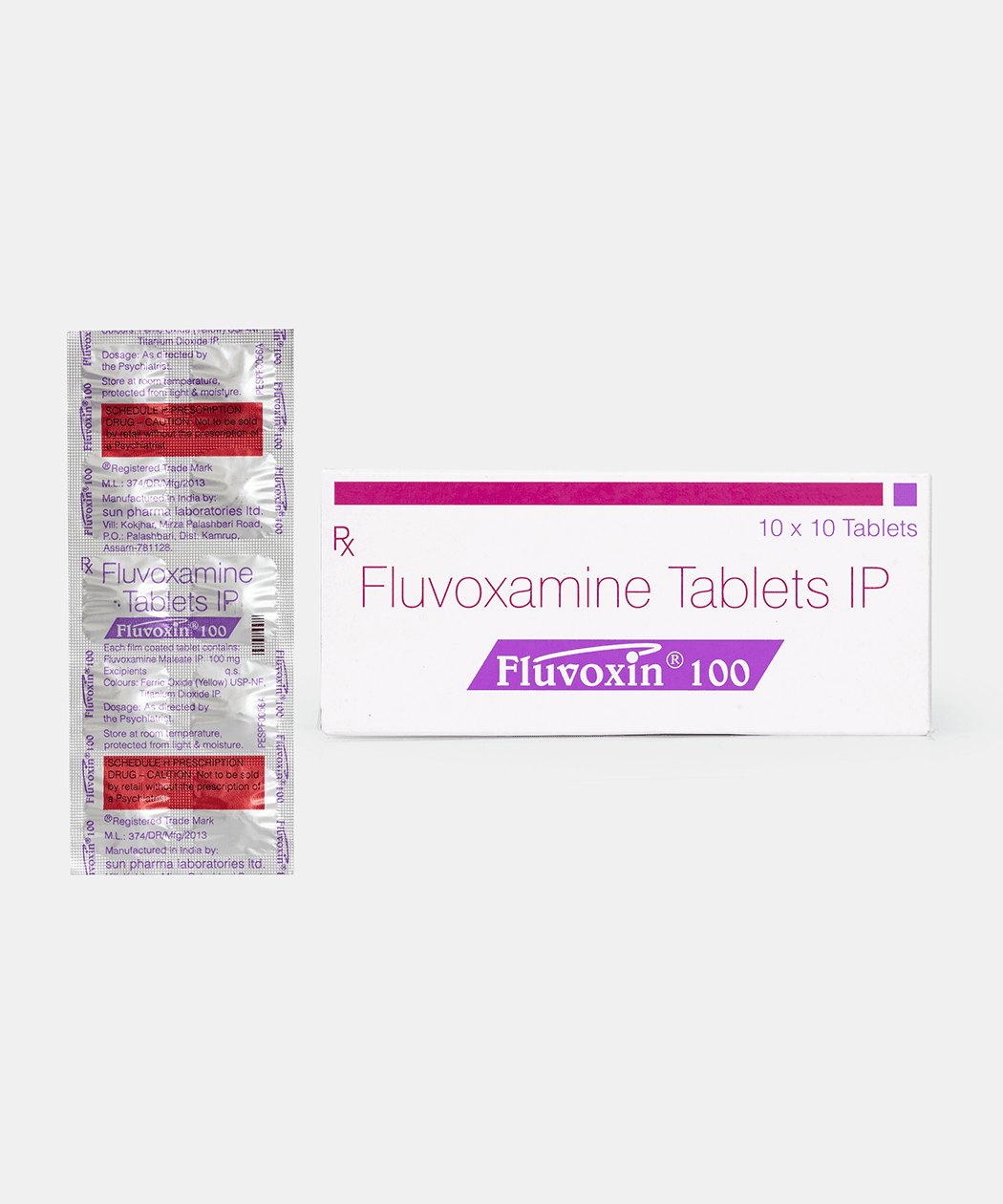
Suppliers
Vendors carrying Fluvoxamine, with live product details and codes. Links are affiliate links that support the wiki at no cost to you.
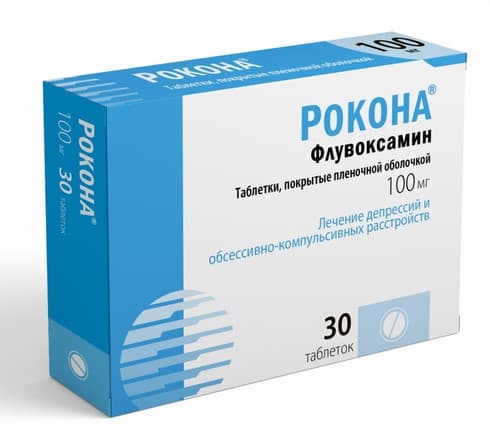
RUPharma🌐
Fluvoxamine
PCT.Zone
Fluvoxamine
RUPharma🌐
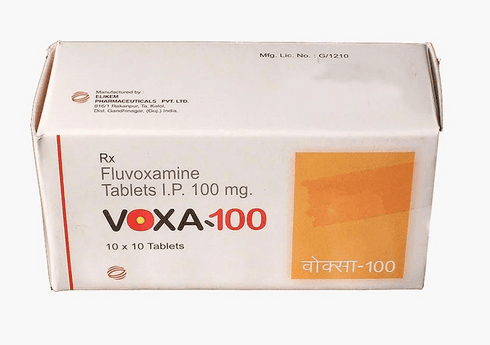
Fluvoxamine (Voxa-100)
Research
- 1992first citedReview of fluvoxamine safety database.
- 1998most active year3 papers
- 2016meta-analysisThe clinical potentials of adjunctive fluvoxamine to clozapine treatment: a systematic review.
- 2026most recentReal-world pharmacovigilance and clinical risks of fluvoxamine: A disproportionality analysis b…
- 1.The clinical potentials of adjunctive fluvoxamine to clozapine treatment: a systematic review.
- 2.Pharmacokinetic evaluation of fluvoxamine for the treatment of anxiety disorders
- 3.Involvement of the sigma1 receptor in inhibiting activity of fluvoxamine on marble-burying behavior: comparison with paroxetine
- 4.Effect of early treatment with fluvoxamine on risk of emergency care and hospitalisation among patients with COVID-19: the TOGETHER randomised, platform clinical trial
- 5.Overview of the pharmacokinetics of fluvoxamine.
- 6.Clinical pharmacokinetics of fluvoxamine.
- 7.Non-linear fluvoxamine disposition.
- 8.Interaction between fluvoxamine and cotinine or caffeine.
- 9.In vitro interactions between fluoxetine or fluvoxamine and methadone or buprenorphine.
- 10.The antinociceptive effect of fluvoxamine.
- 11.[Procognitive effects of fluvoxamine: preliminary data].
- 12.Fluvoxamine or placebo in the treatment of panic disorder and relationship to blood concentrations of fluvoxamine.
25 listed here; entry last updated August 2026
Reviews
My notesprivate to this device
FAQ
What is fluvoxamine?
It is an SSRI antidepressant that also strongly activates the sigma-1 receptor.
What is it mainly used for?
It is commonly used for OCD and anxiety disorders.
Why does it have many interactions?
It inhibits certain liver enzymes, so it can affect levels of other medications.
Why is it studied for neuroprotection?
Its sigma-1 receptor activity has drawn research interest for protective effects beyond mood.
Adverse effects
- Nausea, sleep disturbance, and headache, especially early in treatment
- Sexual difficulties, as with other SSRIs
- Many drug interactions through strong inhibition of liver enzyme CYP1A2
- Serotonin syndrome risk if combined with other serotonergic drugs