
spec sheet10 rows
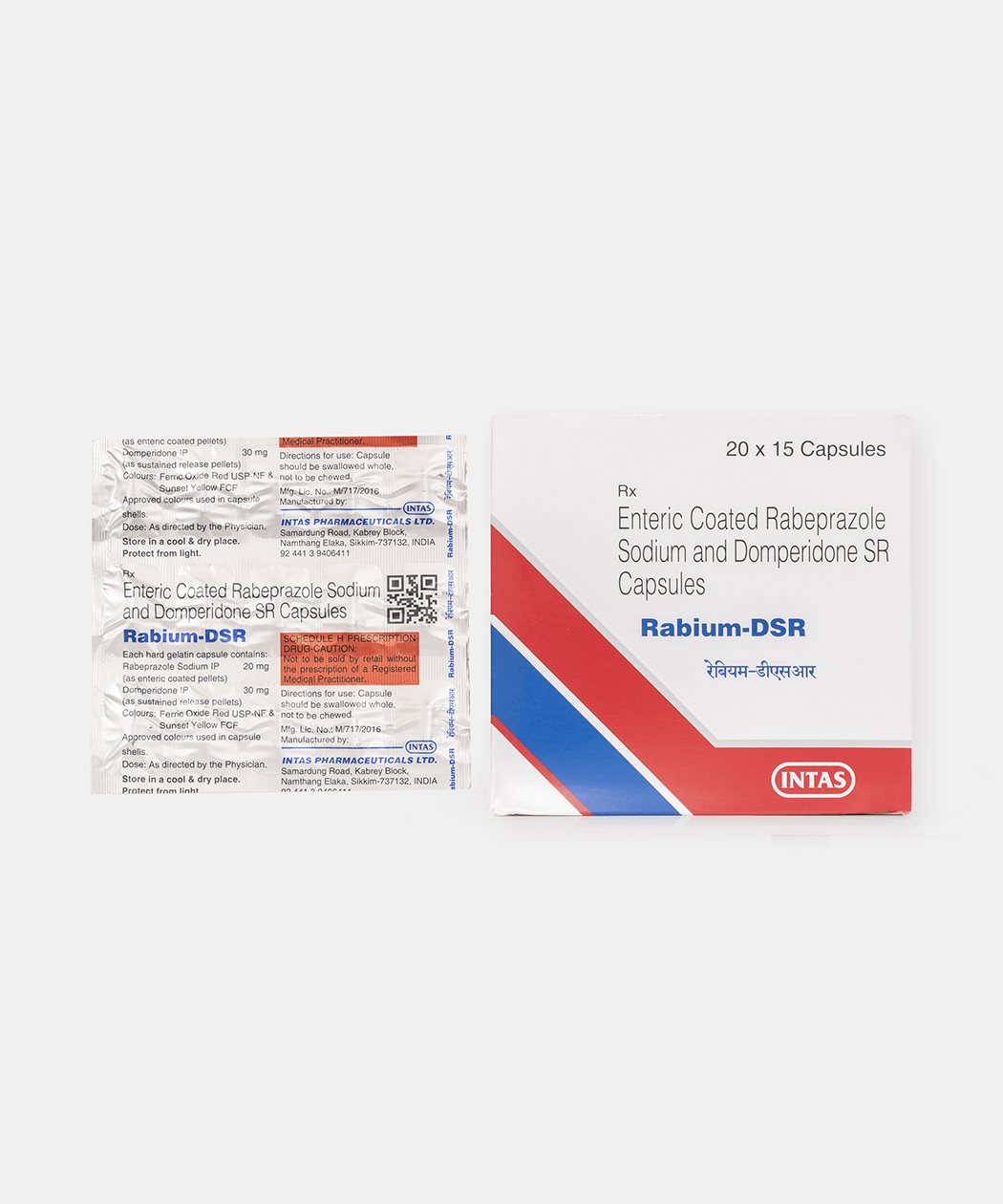
Rabeprazole + Domperidone Rabeprazole plus domperidone is a fixed-dose combination medicine that pairs two drugs acting on the upper digestive tract: rabeprazole, a proton pump inhibitor that suppresses stomach acid, and domperidone, a prokinetic and antiemetic that speeds the movement of food out of the stomach. The combination is used mainly for acid reflux and related conditions accompanied by nausea, bloating, or slow gastric emptying. It is marketed in India and various other countries, often as a single capsule, but it is not approved in the United States, where domperidone itself is unlicensed.
- Controls acid reflux and speeds a sluggish stomach
- Built for reflux that comes with nausea and bloating
- Two mechanisms in one convenient daily capsule
- Rabeprazole suppresses stomach acid strongly
- Domperidone moves food out of the stomach faster
- Eases the bloating that plain acid blockers miss
- Common effects include headache, diarrhoea or other bowel changes, dry mouth, and abdominal discomfort
- Domperidone can raise the hormone prolactin, sometimes causing breast tenderness, milk secretion, or menstrual changes
- The domperidone component has been linked to heart-rhythm disturbances and, rarely, sudden cardiac death, especially at higher doses and in older people
Overview
This product is a fixed-dose combination, meaning two active drugs are formulated together in one capsule or tablet [1]. The first component, rabeprazole, belongs to the proton pump inhibitor (PPI) class, drugs that strongly reduce the secretion of acid by the stomach and are used for acid-related disorders such as gastroesophageal reflux disease, peptic ulcers, and, together with antibiotics, Helicobacter pylori infection. The second, domperidone, is a prokinetic and antiemetic agent that encourages the stomach to empty and helps relieve nausea [2]. Combining an acid suppressant with a motility stimulant is intended to address both the acid and the movement problems that can underlie reflux and dyspepsia.
The rationale for the combination is that many people with reflux or indigestion have symptoms driven both by stomach acid and by sluggish or uncoordinated stomach movement, and a single product can target both [1][2]. Domperidone increases the tone of the valve between the esophagus and stomach and accelerates gastric emptying, which can reduce the backflow of stomach contents, while rabeprazole lowers the acidity of whatever does reflux [2]. The pairing is used for gastroesophageal reflux disease with prominent nausea, bloating, or fullness, for functional dyspepsia, and for related conditions. In one study of patients with laryngopharyngeal reflux, a combination capsule of enteric-coated rabeprazole and sustained-release domperidone produced marked improvement in reflux symptom and finding scores over twelve weeks and was well tolerated [1].
The two drugs are frequently formulated with modified release, so that the rabeprazole is protected from stomach acid and the domperidone is released gradually [1]. Fixed-dose combinations of a PPI with a prokinetic, including rabeprazole with domperidone, itopride, or levosulpiride, are common in India and other countries, where they are sold as prescription and sometimes over-the-counter products. Regulatory acceptance varies widely: domperidone is available in much of Europe, Asia, and Latin America but is not approved for general use in the United States, where it can be obtained only through a special access programme, so the combination as such is not marketed there [2].
Each component carries its own safety considerations. Long-term use of proton pump inhibitors such as rabeprazole has been associated with reduced absorption of vitamin B12 and magnesium, an increased risk of certain gut infections, and other effects, so extended use is generally kept to what is needed. Domperidone's most important concern is its effect on the heart: a systematic review and meta-analysis found that current domperidone use was associated with a higher risk of serious ventricular heart-rhythm disturbances and sudden cardiac death, an effect that is greater at higher doses, in older people, and when combined with drugs that raise its blood levels [3]. Because of this, several regulators have restricted domperidone to short-term use at the lowest effective dose and advised caution in people with heart conditions [2][3].
- Domperidone raises blood levels of the hormone prolactin, an effect that has led to its occasional off-label use to stimulate breast milk production.
- Although domperidone is a dopamine antagonist like some antipsychotics, it barely enters the brain, which is why it rarely causes the movement side effects associated with central dopamine blockade.
- The combination is sold as a single capsule in India and various other countries but is not approved in the United States, where domperidone remains unlicensed.
Mechanism
The combination works through two distinct actions [2]. Rabeprazole is a proton pump inhibitor: after being absorbed and carried to the acid-producing parietal cells of the stomach lining, it is activated and binds irreversibly to the hydrogen-potassium ATPase, the enzyme that pumps acid into the stomach, shutting down individual pumps until the cell makes new ones and thereby sharply lowering acid output. Domperidone works by blocking receptors [2][3]. In the gut, this blockade enhances the coordinated contractions that move food onward, tightens the lower esophageal sphincter, and speeds gastric emptying, while blockade of receptors in the brain's vomiting-control centre produces its antinausea effect [2].
Crucially, domperidone barely crosses the , so unlike some related drugs it rarely causes the movement side effects associated with central blockade; it does, however, raise blood levels of the hormone prolactin and can affect the electrical recovery of the heart, the basis of its cardiac risk [2][3]. Together, acid suppression from rabeprazole and improved motility from domperidone are meant to relieve the combined symptoms of acid reflux and impaired gastric emptying [1].
receptor fingerprint
Gastric H+/K+ ATPase (proton pump)inhibits
Gastric acid secretionblocks
Gut receptorsantagonist
Lower esophageal sphincter toneactivates
Chemoreceptor trigger zone receptorsblocks
Gastric emptyingactivates
Dosingtypical ranges, not medical advice
interested in protocols and clinical dosages? make an account to see them! ^_^
Safetyrisks and cautions, not medical advice
This is a prescription combination. The bigger safety concern is domperidone, which can prolong the QT interval and, at higher doses or in older or cardiac patients, raise the risk of serious heart rhythm problems and sudden cardiac death; it is not marketed in the United States for this reason. Domperidone can also raise prolactin, leading to breast milk leakage or breast enlargement. Long term proton pump inhibitor use carries its own issues; low magnesium, vitamin B12 and iron, a higher chance of certain gut infections, and possible bone effects. Avoid domperidone with other QT prolonging drugs and with strong CYP3A4 inhibitors such as ketoconazole and erythromycin, which push its levels up.
History
This product is a fixed-dose combination whose components have separate origins. Rabeprazole, a proton pump inhibitor, was developed by the Japanese company Eisai and reached major markets in the late 1990s under names such as Aciphex and Pariet. Domperidone, a peripherally acting dopamine D2 antagonist with prokinetic and antiemetic properties, was discovered by Janssen Pharmaceutica in the 1970s and introduced as Motilium.
Combining an acid suppressant with a prokinetic became a popular formulation strategy in India and several other countries, where such capsules are marketed under brand names including Rabonik-D, Rablet-D, and Rabekind-DSR to address reflux accompanied by nausea, bloating, or delayed gastric emptying. The combination is not approved in the United States, where domperidone itself remains unlicensed owing to concerns about cardiac safety. As a regional fixed-dose pairing rather than a single patented molecule, it has no unified discovery narrative beyond the histories of its two constituents.
Reputation
The pairing is widely used across South Asia and parts of the world where a single capsule addressing both acid and motility symptoms is valued for convenience and adherence. Rabeprazole is respected among proton pump inhibitors for its rapid onset and relatively consistent acid suppression, while domperidone has a long track record of relieving nausea and speeding gastric emptying without the central movement side effects seen with some older prokinetics, because it barely crosses the blood-brain barrier.
Patients with overlapping reflux and dysmotility symptoms often report meaningful relief from the combination. It is worth being candid that domperidone carries a recognized risk of QT prolongation and is best used at the lowest effective dose for the shortest period, which is why several regulators, including in the United States, have not licensed it. Used judiciously and under medical guidance, the combination remains a practical and popular option in the regions where it is sold.
Subjective profileweighing the evidence above
Convenient when reflux genuinely comes with slow gastric emptying, but the domperidone half is why this combination is not sold in the US: it prolongs the QT interval and has been linked to serious rhythm disturbances and sudden cardiac death, especially in older people. Short supervised courses, not a daily default.
Where to buy
Suppliers
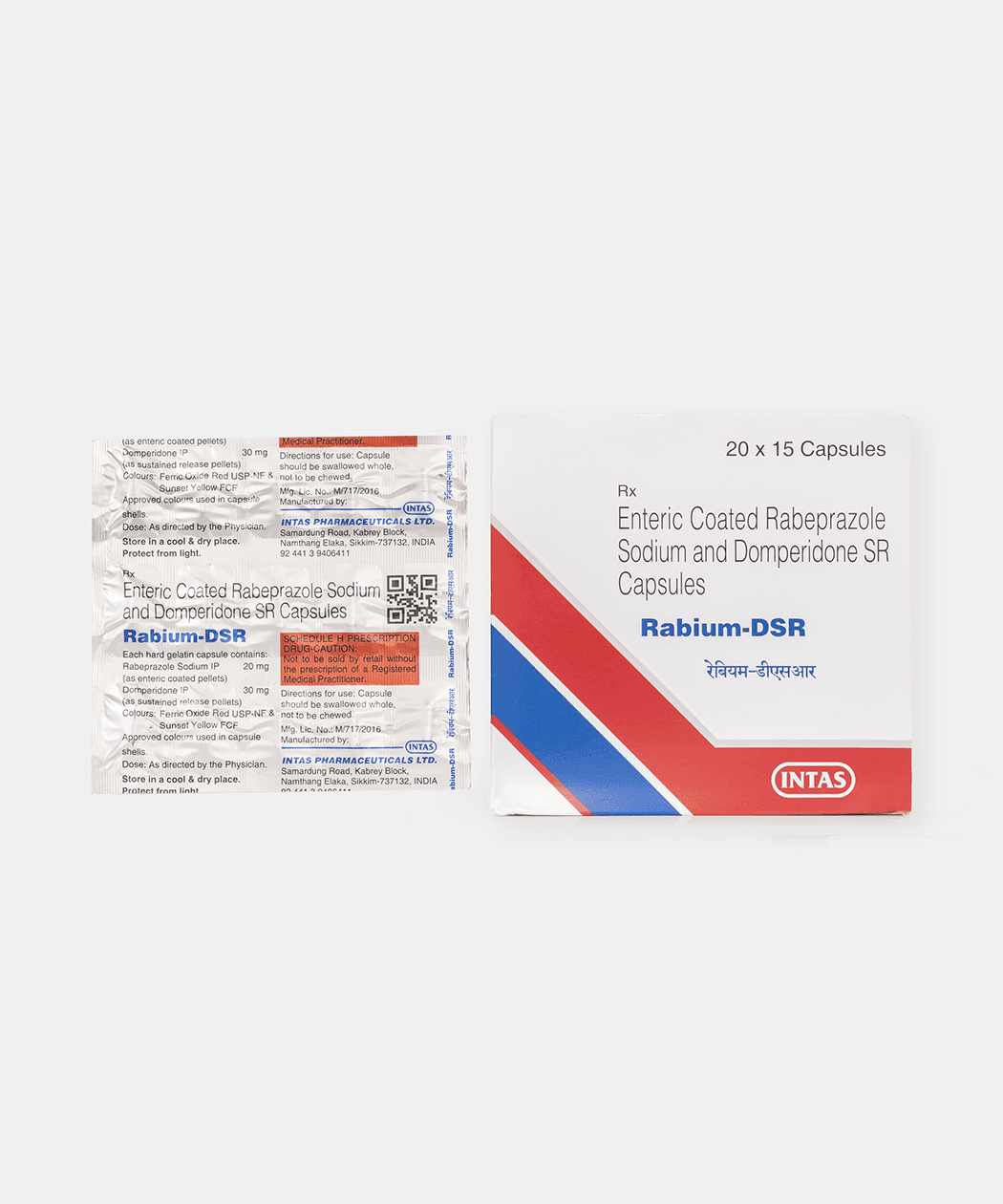
Vendors carrying Rabeprazole + Domperidone, with live product details and codes. Links are affiliate links that support the wiki at no cost to you.
PCT.Zone
Rabeprazole + Domperidone
Research
- 2007first citedDomperidone: review of pharmacology and clinical applications in gastroenterology.
- 2016most recentDomperidone and Risk of Ventricular Arrhythmia and Cardiac Death: A Systematic Review and Meta-…
- 1.An Open Label, Prospective, Single Centre Study to Evaluate the Efficacy and Safety of Fixed Dose Combination of Rabeprazole (Enteric-Coated, EC) 20 mg + Domperidone (Sustained Release, SR) 30 mg Capsule in Treatment of Patients with Laryngopharyngeal Reflux Disease.
- 2.Domperidone: review of pharmacology and clinical applications in gastroenterology.
- 3.Domperidone and Risk of Ventricular Arrhythmia and Cardiac Death: A Systematic Review and Meta-analysis.
3 listed here; entry last updated August 2026
Reviews
My notesprivate to this device
FAQ
Why combine an acid blocker with a prokinetic?
Reflux often involves both too much acid and a slow, poorly coordinated stomach, so one drug cuts acid while the other moves things along.
Is domperidone hard on the heart?
It can prolong the QT interval and raise rhythm risk, especially at higher doses or in older and cardiac patients, so the lowest dose for the shortest time is best.
When should I take it?
Usually about half an hour to an hour before breakfast, since the proton pump inhibitor works best before a meal.
Can it cause breast changes?
Yes; domperidone can raise prolactin, which sometimes leads to breast tenderness, enlargement or milk leakage.
Is it safe for long term daily use?
Long term proton pump inhibitor use can lower magnesium, B12 and iron and affect bone, so long courses should be reviewed by your doctor.
Adverse effects
- Common effects include headache, diarrhoea or other bowel changes, dry mouth, and abdominal discomfort
- Domperidone can raise the hormone prolactin, sometimes causing breast tenderness, milk secretion, or menstrual changes
- The domperidone component has been linked to heart-rhythm disturbances and, rarely, sudden cardiac death, especially at higher doses and in older people
- Long-term proton pump inhibitor use can lower vitamin B12 and magnesium and raise the risk of certain infections
Notes and cautions
- Domperidone is not approved in the United States, so this combination is not marketed there