
spec sheet11 rows
Voglibose is an oral antidiabetic medication of the alpha-glucosidase inhibitor class, used to control the rise in blood glucose that follows meals in people with type 2 diabetes. It works within the small intestine by slowing the digestion of complex carbohydrates, which blunts the post-meal glucose peak rather than stimulating insulin. Developed in Japan and introduced there in the 1990s, it is used mainly in parts of Asia and belongs to the same class as acarbose and miglitol.
- Blunts the post meal glucose peak in type 2 diabetes
- Almost no hypoglycemia on its own
- Little weight gain, unlike many diabetes drugs
- Works locally in the gut and barely leaves it
- Slows the digestion of complex carbohydrates
- Easy add on when other diabetes drugs need help
- Commonly causes flatulence, bloating, and loose stools
- Gas and bloating often ease over time
Overview
Voglibose is a small-molecule drug classified as an alpha-glucosidase inhibitor, one of a group of oral agents for type 2 diabetes that also includes acarbose and miglitol [2]. It was developed by a Japanese pharmaceutical company and is used chiefly to address postprandial hyperglycemia, the surge in blood sugar that occurs after eating [1]. Unlike drugs that increase insulin, it acts locally in the gut and does not by itself drive blood glucose below normal [2].
The medication is taken with meals and works by delaying the breakdown of dietary carbohydrates in the small intestine, so that glucose is absorbed more gradually and the after-meal peak is flattened [1][2]. This makes it useful as an add-on to other glucose-lowering treatments and, in some settings, in people with impaired glucose tolerance, where it has been studied for its ability to delay progression to overt diabetes [1]. Because raised post-meal glucose is linked to cardiovascular risk, blunting these peaks is regarded as a worthwhile therapeutic target [1].
Systematic review of the alpha-glucosidase inhibitor class shows a clear effect on glycemic control, with reductions in glycated hemoglobin and post-meal glucose, though robust evidence on long-term reductions in death or cardiovascular events remains limited [3]. Within the class, voglibose was designed to be relatively selective, and it is generally regarded as effective for lowering post-meal glucose with a low risk of hypoglycemia and without causing weight gain [1][2].
The main drawbacks of voglibose and related inhibitors are gastrointestinal, since carbohydrate that is not absorbed in the upper intestine passes onward to be fermented by gut bacteria, producing flatulence, bloating, abdominal discomfort, and loose stools [2][3]. These effects are dose-related and often lessen over time, but they limit tolerability for some people [3]. Used on its own the drug rarely causes low blood sugar, though hypoglycemia can occur when it is combined with insulin or insulin-stimulating drugs [2].
Voglibose is a prescription medicine approved and marketed mainly in Japan and other Asian countries, where it is a long-established treatment, and it is not among the agents commonly used in the United States or Europe [1][2]. It is available as an oral tablet, generally taken shortly before meals, and is used both alone and in combination with other antidiabetic drugs [1].
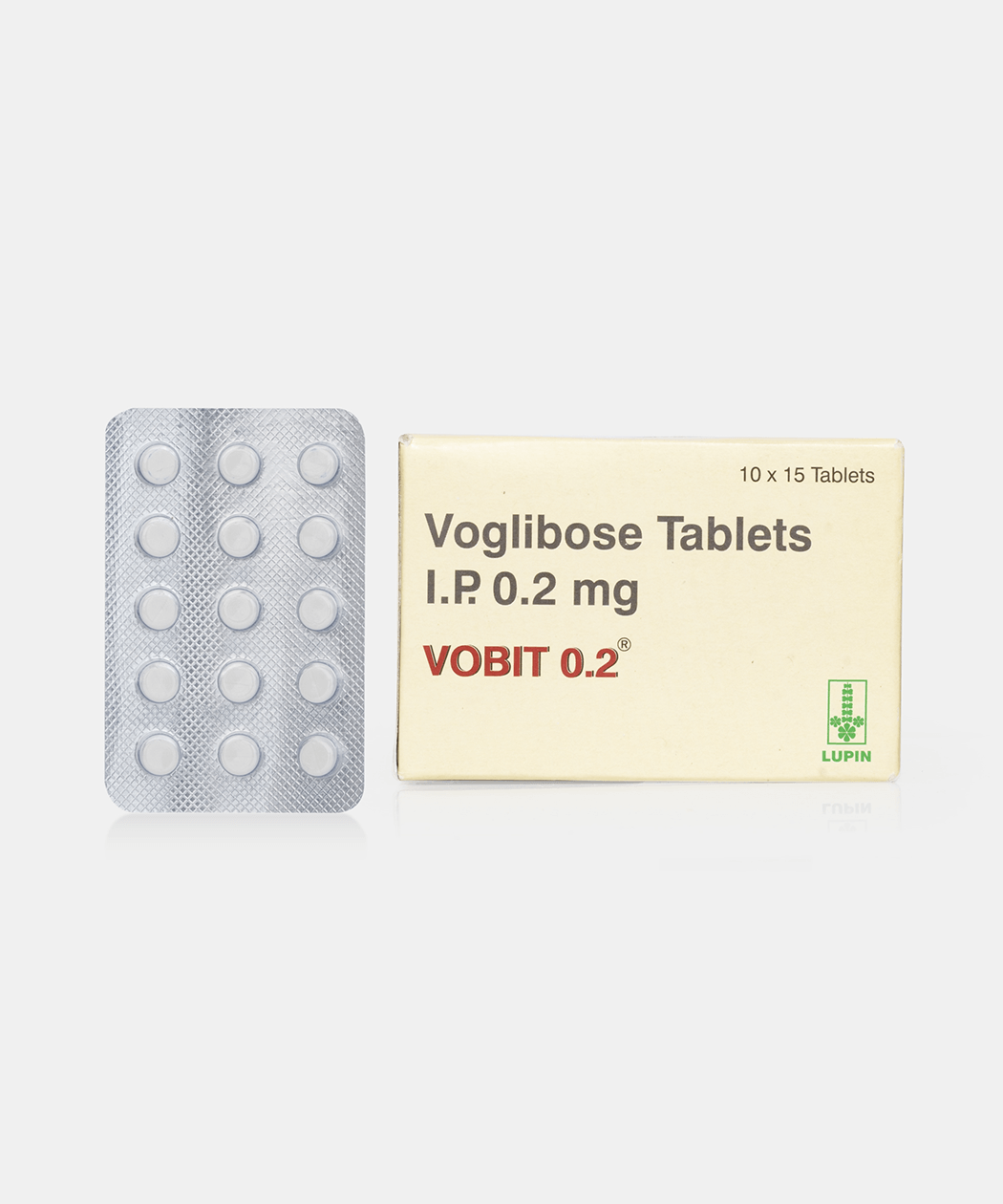
- Voglibose is derived from valiolamine, a compound originally found in the fermentation broth of a soil bacterium.
- Because it is barely absorbed and works right at the intestinal lining, it lowers the after-meal glucose peak without directly stimulating insulin release.
- The gas and bloating some users experience come from gut bacteria fermenting the carbohydrates that voglibose prevents from being digested higher up in the intestine.
Mechanism
Voglibose acts in the lumen of the small intestine, where it competitively inhibits the alpha-glucosidase enzymes located on the brush border of the intestinal lining [2]. These enzymes normally cleave complex carbohydrates and disaccharides into absorbable monosaccharides such as glucose, so blocking them slows the final step of carbohydrate digestion [1][2]. As a result, the absorption of glucose from a meal is spread over a longer stretch of intestine and a longer time, which lowers and delays the post-meal rise in blood glucose without directly affecting secretion [1].
Because the drug works at the surface of the gut and is minimally absorbed into the bloodstream, its action is largely confined to the digestive tract [2]. The carbohydrate that escapes digestion in the upper intestine travels to the colon, where bacterial fermentation accounts for the characteristic gas and bloating that can accompany treatment [2]. By targeting postprandial glucose specifically, voglibose complements medications that address fasting glucose or overall action [1].
receptor fingerprint
Intestinal maltase (alpha-glucosidase)inhibits
Sucraseinhibits
Brush border disaccharidasesblocks
Isomaltase and glucoamylaseinhibits
-1 incretin responsemodulates
Dosingtypical ranges, not medical advice
interested in protocols and clinical dosages? make an account to see them! ^_^
Safetyrisks and cautions, not medical advice
Voglibose is prescription only in most places and is generally well tolerated because so little enters the bloodstream. Its typical effects are wind, bloating, abdominal discomfort and loose stools, which often improve over time. On its own it rarely causes low blood sugar, but combined with insulin or a sulfonylurea it can, and lows must then be treated with glucose rather than ordinary table sugar. Rarely it can raise liver enzymes. It is avoided in inflammatory bowel disease, bowel obstruction and severe digestive disorders.
History
Voglibose was developed by the Japanese pharmaceutical company Takeda and is chemically derived from valiolamine, a naturally occurring aminocyclitol identified in the fermentation broth of an Actinomycete bacterium. Chemists modified this parent compound to produce a potent, selective inhibitor of the intestinal alpha-glucosidase enzymes, yielding voglibose as a member of the alpha-glucosidase inhibitor class alongside acarbose and miglitol.
It was introduced in Japan in 1994 under the brand name Basen for the control of postprandial hyperglycemia in type 2 diabetes. Because it works locally in the gut and is minimally absorbed, it targets the meal-related glucose spike rather than fasting glucose, and it later gained an indication in Japan for delaying the progression from impaired glucose tolerance to overt diabetes. Voglibose is used chiefly in Japan and other parts of Asia, where carbohydrate-rich diets make postprandial control a particular priority.
Reputation
Voglibose is valued as a targeted, mechanistically elegant diabetes medicine that addresses the specific problem of after-meal glucose surges, a factor increasingly linked to cardiovascular risk. Because it acts at the surface of the intestine and enters the bloodstream only minimally, it carries little risk of the low blood sugar that troubles some other antidiabetic drugs, and on its own it does not force the pancreas to release more insulin.
It pairs naturally with medicines that address fasting glucose or overall insulin action, making it a useful complement in combination regimens, and it is well suited to carbohydrate-heavy dietary patterns. Its chief drawbacks are gastrointestinal: undigested carbohydrate reaching the colon is fermented by bacteria, producing the flatulence and bloating that lead some patients to discontinue. Within its niche, however, it is regarded as safe, rational, and effective for postprandial control.
Subjective profileweighing the evidence above
A sensible, low-drama option for post-meal glucose spikes, with little weight gain and almost no hypoglycemia on its own because so little leaves the gut. Gas and loose stools are the whole trade and usually ease; alongside insulin or a sulfonylurea, lows need glucose, not table sugar.
Where to buy
Suppliers
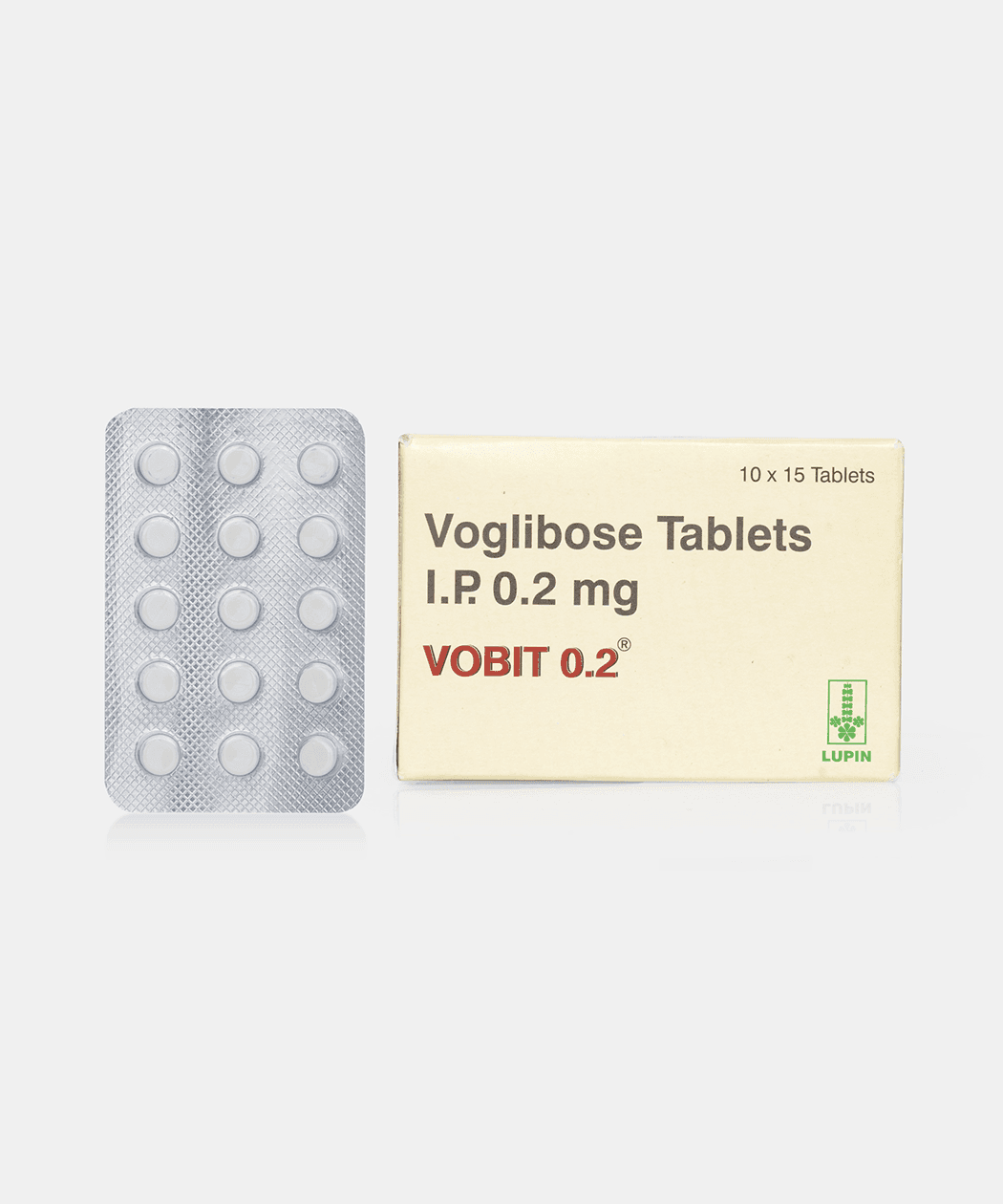
Vendors carrying Voglibose, with live product details and codes. Links are affiliate links that support the wiki at no cost to you.
PCT.Zone
Voglibose
Research
- 2005first citedAlpha-glucosidase inhibitors for type 2 diabetes mellitus
- 2019most recentConsiderations when using alpha-glucosidase inhibitors in the treatment of type 2 diabetes
- 1.Efficacy of voglibose in type 2 diabetes
- 2.Considerations when using alpha-glucosidase inhibitors in the treatment of type 2 diabetes
- 3.Alpha-glucosidase inhibitors for type 2 diabetes mellitus
- 4.Effects of combination therapy with mitiglinide and voglibose on postprandial plasma glucose in patients with type 2 diabetes mellitus
4 listed here; entry last updated August 2026
Reviews
My notesprivate to this device
FAQ
When should I take voglibose?
Take it right before meals so it can slow the digestion of the carbohydrates you eat.
Will it cause low blood sugar?
On its own it rarely does, but combined with insulin or sulfonylureas it can; treat lows with glucose, not table sugar.
Why should I use glucose instead of table sugar for a low?
Voglibose slows the breakdown of table sugar, so plain glucose works faster to correct a low.
Why do I feel gassy?
Undigested carbohydrate reaches the lower gut and ferments, which causes wind and bloating; this often eases with time.
Can it be combined with metformin?
Yes. It targets post-meal spikes and pairs well with metformin and other diabetes medicines.
Adverse effects
- Commonly causes flatulence, bloating, and loose stools
- Gas and bloating often ease over time
Notes and cautions
- Low risk of hypoglycemia when used on its own