
spec sheet12 rows
Pioglitazone is an oral antidiabetic medicine of the thiazolidinedione class, used to improve blood sugar control in type 2 diabetes. Marketed as Actos, it works as an insulin sensitizer, activating a nuclear receptor called PPAR-gamma to make the body's tissues respond better to insulin. Effective at lowering blood glucose and with additional effects on fat and the liver, it is nonetheless used carefully because of side effects that include fluid retention, weight gain, and a debated association with bladder cancer.
- a proven insulin sensitizer, and a cheap generic
- lowers HbA1c and fasting glucose with staying power
- does real good in nonalcoholic fatty liver disease
- raises HDL and lowers triglycerides
- used on its own it rarely causes low blood sugar
- glucose control that holds up over years, not months
- Weight gain and fluid retention are common, and the fluid retention can bring on or worsen heart failure, so it is avoided in people with significant heart failure
- It increases the risk of bone fractures, particularly in women
- Used alone it does not usually cause low blood sugar, but hypoglycemia can occur when it is combined with insulin or sulfonylureas
Overview
Pioglitazone belongs to the thiazolidinedione class of antidiabetic drugs, sometimes called glitazones, and it acts as an agonist of the nuclear receptor peroxisome proliferator-activated receptor gamma (PPAR-gamma) [1]. It is classed as an insulin sensitizer, meaning it improves the body's response to its own insulin rather than forcing the pancreas to make more. It was developed by the Takeda company, was approved for use in 1999, is sold under the brand name Actos, and has been available as a generic since 2012 [1].
Its established use is the management of type 2 diabetes, where it is taken with diet and exercise, either on its own or in combination with other glucose-lowering drugs such as metformin, sulfonylureas, or insulin [1][4]. What distinguishes it from many other diabetes medicines is that it lowers blood sugar chiefly by reducing insulin resistance in the tissues [4].
Because it works through a gene-regulating receptor found in fat, liver, and muscle, pioglitazone has a range of effects beyond glucose control; it improves the blood lipid profile and has anti-inflammatory actions [1][4]. These broader properties have made it of interest in other conditions, and studies have pointed to benefits in nonalcoholic steatohepatitis, a fatty liver disease, and in some cardiovascular settings [2][3].
The drug's use is tempered by a well-known set of adverse effects. It commonly causes weight gain and fluid retention, and the latter can precipitate or worsen heart failure, so it is avoided in people with significant heart failure [3]. It raises the risk of bone fractures, particularly in women, and it became the subject of a prominent safety controversy over a possible link to bladder cancer; concerns led some countries to suspend the drug and prompted regulatory warnings [2]. Later and larger meta-analyses found that any excess bladder cancer risk is very small and, in some assessments, outweighed by the drug's benefits on cardiovascular disease and fatty liver [2]. It is worth distinguishing pioglitazone from the related glitazone rosiglitazone (Avandia), which carried warnings about heart attack risk that pioglitazone did not share [3]. Pioglitazone is a prescription oral tablet [1].
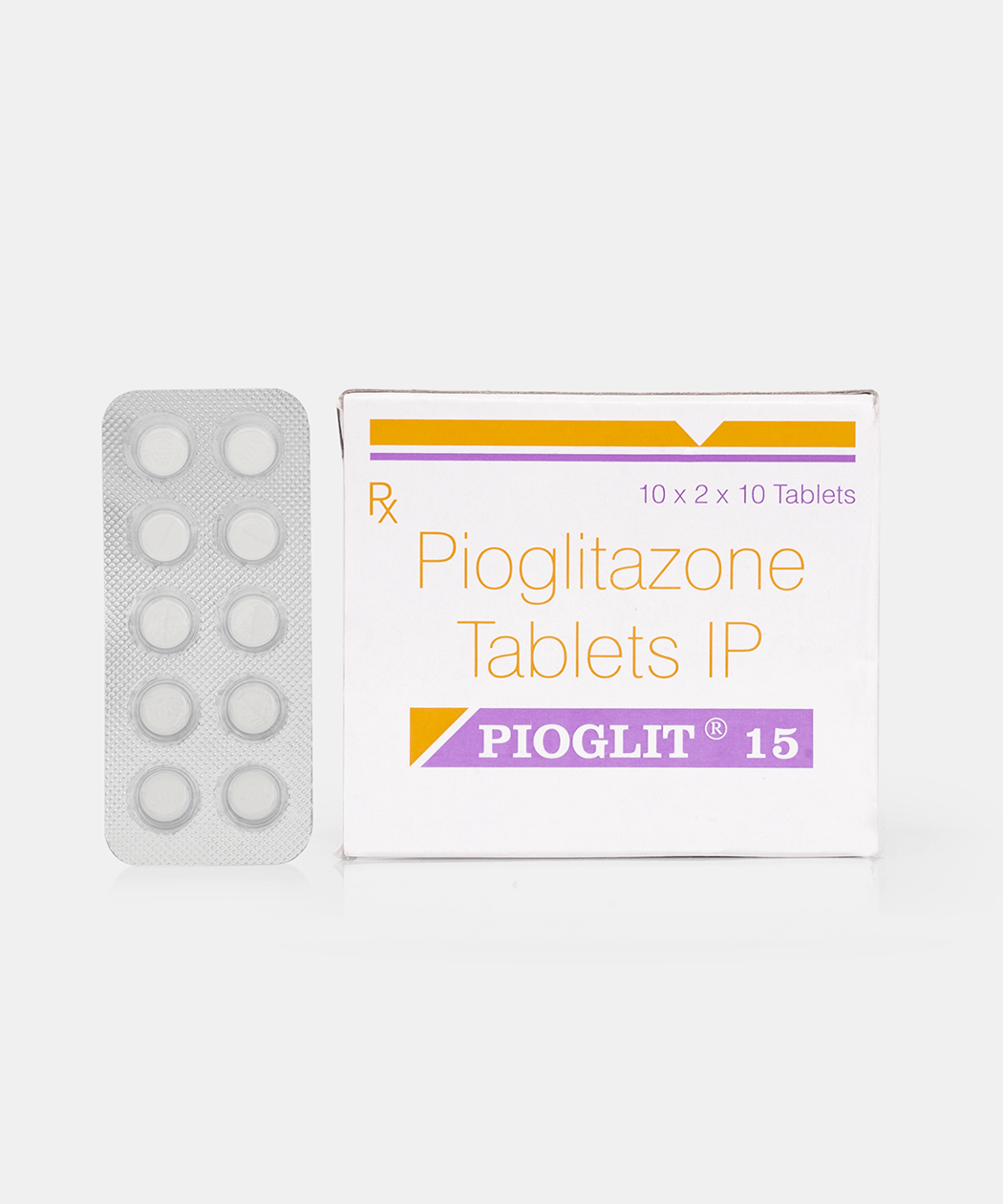
- It works by switching on PPAR-gamma, a gene-regulating receptor found mainly in fat tissue, which is why its side effects include fluid retention and weight gain.
- In the PIVENS trial it reduced liver fat and inflammation in nonalcoholic steatohepatitis, spurring ongoing interest in its use for fatty liver disease.
- Because it makes tissues more sensitive to insulin rather than releasing more of it, used alone it rarely causes low blood sugar.
Mechanism
Pioglitazone activates peroxisome proliferator-activated receptor gamma (PPAR-gamma), a nuclear receptor that behaves as a transcription factor and is found mainly in fat tissue but also in liver and muscle [4]. By switching on a set of genes that govern glucose and fat handling, it makes tissues more responsive to : cells take up glucose more readily, the liver releases less glucose, and fatty acids are directed into storage in subcutaneous fat, effects that together lower blood sugar without directly stimulating the release of insulin [1][4].
The same receptor activity improves the blood lipid profile and produces anti-inflammatory effects, which are thought to underlie the drug's benefits beyond glucose control, including in fatty liver disease and the blood vessels [1][3]. Because PPAR-gamma also promotes the retention of sodium and water by the kidney, activating it can cause the fluid buildup and weight gain that are characteristic side effects of the drug [3].
receptor fingerprint
PPAR-gamma nuclear receptoragonist
GLUT4 glucose transporteractivates
Adiponectin pathwayactivates
pyruvate carrierinhibits
Hepatic glucose outputmodulates
PPAR-alpha nuclear receptoractivates
Dosingtypical ranges, not medical advice
interested in protocols and clinical dosages? make an account to see them! ^_^
Safetyrisks and cautions, not medical advice
Pioglitazone is prescription only. The most common problems are weight gain and fluid retention, which can swell the ankles and, in susceptible people, unmask or worsen heart failure; it is avoided in anyone with symptomatic heart failure. Long-term use raises the risk of bone fractures, especially in women, and there has been a debated small signal for bladder cancer, so it is generally not used in people with a history of bladder cancer or unexplained blood in the urine. It pairs with metformin, sulfonylureas, or insulin, but combining it with insulin increases the fluid-retention risk. Liver enzymes are usually monitored, and it is not used in active liver disease.
Interactionsdocumented pairs only, not exhaustive
Pioglitazone undergoes hepatic metabolism primarily via the CYP2C8 enzyme. Gemfibrozil, a lipid-lowering fibrate commonly used alongside diabetes medications, inhibits CYP2C8 and increases pioglitazone's area under the curve approximately threefold [7]. This is a significant pharmacokinetic interaction that elevates pioglitazone exposure and potential toxicity, particularly for fluid retention and weight gain. The interaction is complex because it involves CYP-mediated metabolism and transporter inhibition. Unstudied pairings include most anticonvulsants, calcineurin inhibitors, and non-macrolide antibiotics at clinically relevant exposures.
Checking a whole stack? Run it through interactions + stacks.
History
Pioglitazone is a member of the thiazolidinedione class of antidiabetic drugs, discovered and developed by the Japanese pharmaceutical company Takeda as an insulin sensitizer that acts through the nuclear receptor PPAR-gamma. It was approved by the United States Food and Drug Administration in 1999 and marketed under the brand name Actos, entering practice alongside a related thiazolidinedione at a time when improving insulin resistance, rather than simply forcing more insulin release, was an appealing new strategy for type 2 diabetes.
The drug became widely used and was studied extensively, including in cardiovascular outcome research and, notably, in nonalcoholic steatohepatitis, where the landmark PIVENS trial published in 2010 examined it against vitamin E and placebo. Its history has also included careful scrutiny of safety signals, particularly fluid retention and weight gain tied to its mechanism, and a debated association with bladder cancer that led regulators to update its labeling. Now available as a low-cost generic, pioglitazone remains a well-characterized option whose benefits and risks are unusually thoroughly documented.
Reputation
Pioglitazone is respected as a durable and effective insulin sensitizer, one of the few diabetes drugs that treats the underlying insulin resistance of type 2 diabetes rather than merely coaxing the pancreas to work harder, and because it does not directly stimulate insulin release it carries a low risk of hypoglycemia on its own. Its benefits appear to extend beyond blood sugar; it improves the lipid profile, and in nonalcoholic steatohepatitis it has shown favorable effects on liver fat and inflammation, making it one of the more promising repurposed agents for fatty liver disease.
There is also evidence of cardiovascular and stroke-prevention benefit in insulin-resistant patients. Honesty requires acknowledging its characteristic drawbacks: fluid retention, weight gain, a heightened fracture risk, and a much-debated possible link to bladder cancer mean it is prescribed selectively. Weighed carefully, and now inexpensive as a generic, it remains a genuinely useful medicine with a distinctive and valuable mechanism.
Subjective profileweighing the evidence above
An effective insulin sensitizer that is cheap and does real good in fatty liver. Fluid retention is the deciding factor: it is avoided in heart failure, brings weight gain, and raises fracture risk with long use, so it suits some people well and others not at all.
Where to buy
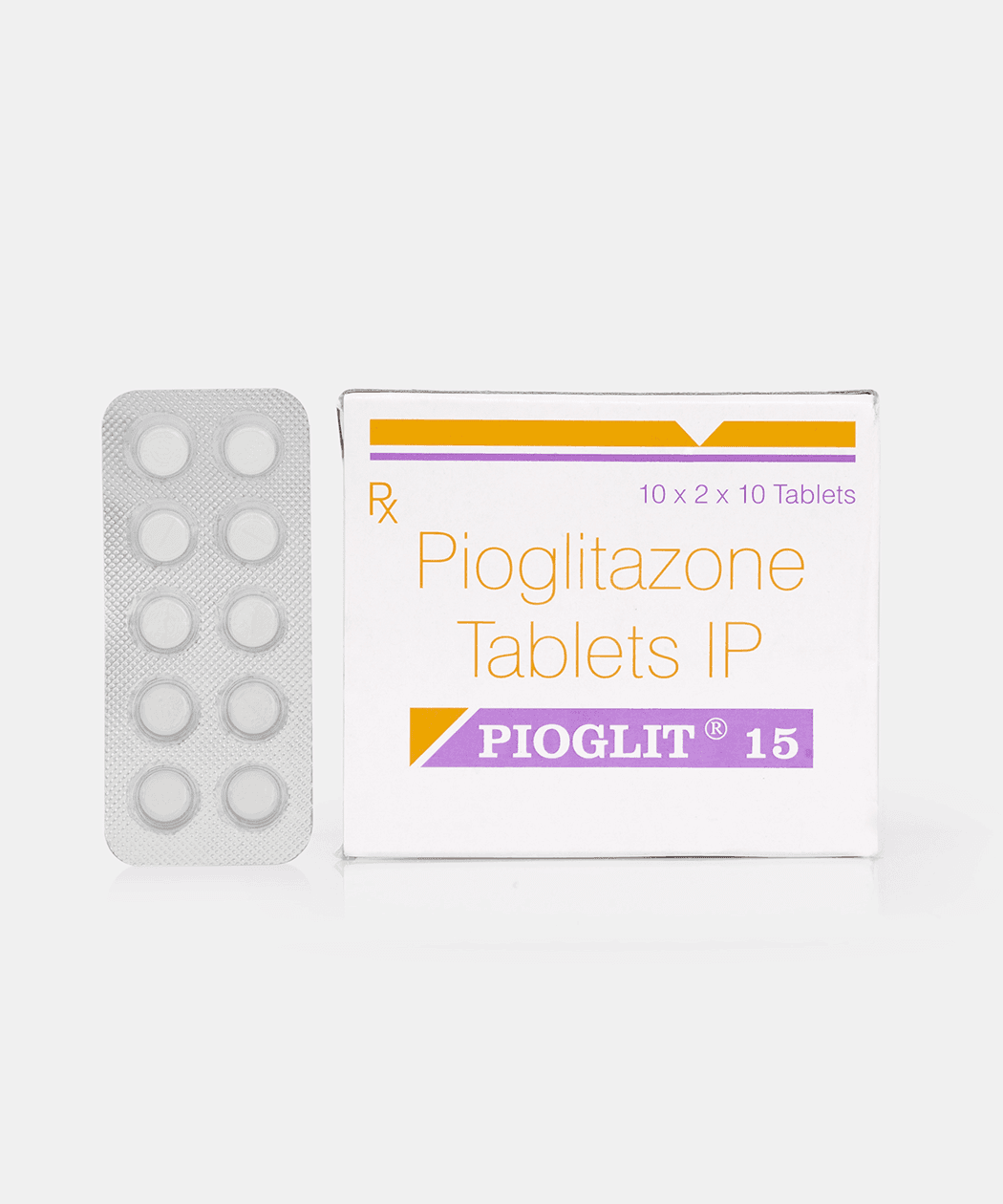
Suppliers
Vendors carrying Pioglitazone, with live product details and codes. Links are affiliate links that support the wiki at no cost to you.
PCT.Zone
Pioglitazone
Research
- 2002first citedNovel insulin sensitizers: pharmacogenomic aspects.
- 2018meta-analysisAn updated meta-analysis of pioglitazone exposure and bladder cancer and comparison to the drug…
- 2025most recentAn in-depth review of PPARγ modulators as anti-diabetes therapeutics.
- 1.Insulin sensitizers in 2023: lessons learned and new avenues for investigation.
- 2.An updated meta-analysis of pioglitazone exposure and bladder cancer and comparison to the drug's effect on cardiovascular disease and non-alcoholic steatohepatitis.
- 3.Glitazones and the cardiovascular system.
- 4.Novel insulin sensitizers: pharmacogenomic aspects.
- 5.Pioglitazone, vitamin E, or placebo for nonalcoholic steatohepatitis
- 6.Nonalcoholic fatty liver disease: a systematic review
- 7.An in-depth review of PPARγ modulators as anti-diabetes therapeutics.
7 listed here; entry last updated August 2026
Reviews
My notesprivate to this device
FAQ
Does pioglitazone cause low blood sugar?
On its own it rarely does, since it improves insulin sensitivity rather than forcing out more insulin; the risk goes up if you also take insulin or a sulfonylurea.
Why does it take weeks to work?
It changes gene activity inside cells, so the full glucose-lowering effect usually appears over several weeks instead of the first few days.
Can I take it if I have heart failure?
No; it causes fluid retention that can worsen heart failure, so it is avoided in people with symptomatic heart failure.
Will it make me gain weight?
Some weight gain is common, partly from fluid and partly from fat redistribution; diet, activity, and monitoring help keep it in check.
Is the bladder cancer risk something to worry about?
Studies suggest at most a small possible increase; it is generally avoided in people with a bladder cancer history or unexplained blood in the urine.
Limitations of the evidence
- A debated association with bladder cancer, seen mainly with longer duration of use, led to regulatory warnings, though later analyses suggest any excess risk is small
Adverse effects
- Weight gain and fluid retention are common, and the fluid retention can bring on or worsen heart failure, so it is avoided in people with significant heart failure
- It increases the risk of bone fractures, particularly in women
- Used alone it does not usually cause low blood sugar, but hypoglycemia can occur when it is combined with insulin or sulfonylureas
- Headache, muscle aches, or upper respiratory symptoms are reported