
spec sheet11 rows
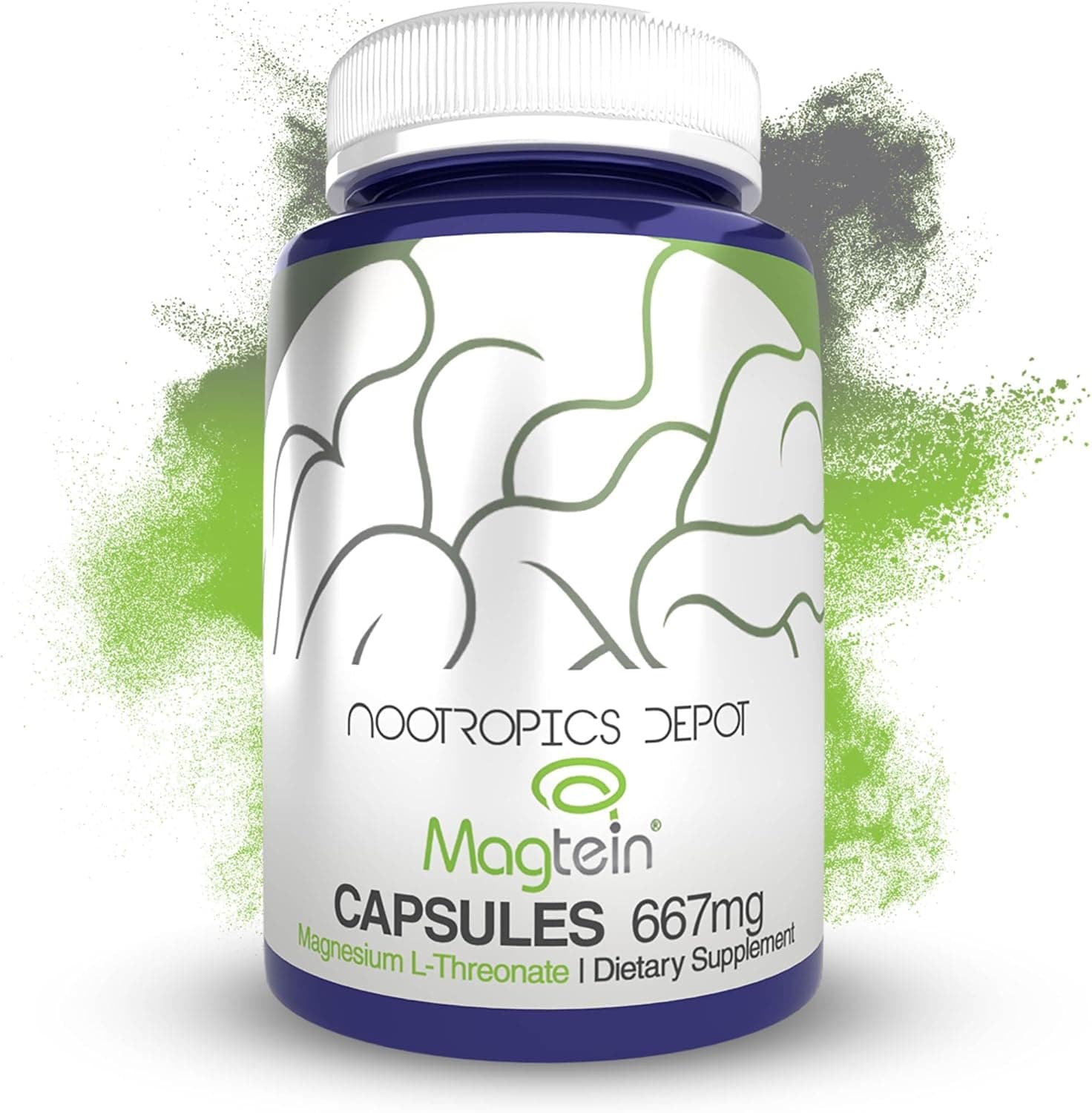
Magnesium L-threonate is a magnesium salt of L-threonic acid, a sugar acid derived from vitamin C. It was developed as a supplemental form intended to raise magnesium levels in the central nervous system more effectively than conventional magnesium salts; unlike most oral forms, it has been shown to increase magnesium in the cerebrospinal fluid and within neurons, where it up-regulates NR2B-containing NMDA receptors and increases the density of functional synapses. In animal studies these actions are associated with improved learning and enhanced retention of fear extinction, and it is studied mainly for possible effects on memory, cognition, sleep, and anxiety. First described in a 2010 laboratory study, it is sold commercially under names such as Magtein.
- The one magnesium shown to raise brain and spinal fluid levels
- Rebuilt synapse density and improved learning in animal work
- Threonate carries magnesium where other salts cannot follow
- Upregulates NR2B, the NMDA subunit tied to memory
- A favourite night time dose for deeper, calmer sleep
- Buy it when the brain is the point, not for plain repletion
- Some users report headache or daytime drowsiness
- Loose stools at higher intakes
- Risk of magnesium buildup in people with impaired kidney function
Overview
Magnesium L-threonate is the magnesium salt of L-threonic acid, an acid formed from the breakdown of L-ascorbic acid, better known as vitamin C. It was created specifically as a delivery form aimed at the nervous system after researchers reported in 2010 that raising brain magnesium could enhance synaptic function; the compound is often sold under the trademarked name Magtein [1]. It is supplied as a powder or in capsules and tablets, and because the threonate makes up much of the salt's weight, products deliver a relatively small amount of elemental magnesium per gram [1][2].
The defining claim for the compound is improved access to the brain. In the original rodent study, supplementation with magnesium L-threonate raised magnesium in cerebrospinal fluid and improved learning, working memory, and both short and long-term memory, changes accompanied by increases in synaptic density and markers of plasticity in the hippocampus [1]. Human trials have since tested related endpoints: a randomized, placebo-controlled study in healthy Chinese adults using a Magtein-based formula reported improvements across memory subtests, with older participants benefiting more [2], while a separate randomized trial in adults with self-reported sleep problems found better sleep quality, mood, and daytime functioning with the threonate [3].
Beyond cognition and sleep, magnesium L-threonate has been examined in animal models of neurodegeneration. In transgenic mouse models of Alzheimer's disease it has been reported to improve cognition, reduce oxidative stress and inflammation, and remodel the gut microbiota along the microbiota-gut-brain axis [4], and a rat study found that pairing it with the statin atorvastatin produced greater neuroprotective and antioxidant effects than the statin alone [5]. These results come from preclinical models and have not been confirmed as treatments for human disease [4][5].
Magnesium L-threonate is marketed as an over-the-counter dietary supplement rather than an approved drug, primarily for cognitive and sleep support [2][3]. Like other supplemental magnesium sources it provides the essential mineral magnesium, and although it is generally reported as well tolerated in trials, supplemental magnesium as a category can cause gastrointestinal effects at higher intakes, with added caution advised for people who have impaired kidney function.



Mechanism
Magnesium L-threonate is designed to increase the amount of magnesium reaching the central nervous system. After absorption the salt supplies magnesium ions, and studies indicate that this form is comparatively effective at raising magnesium in cerebrospinal fluid and brain tissue, the property that sets it apart from conventional magnesium salts [1][2]. Within neurons, magnesium is a key regulator of the -type receptor, sitting within the channel and moderating its activity; by influencing this receptor and downstream signaling, elevated brain magnesium was shown to increase the number of functional connections and to strengthen forms of synaptic plasticity such as that underlie learning and memory [1].
In the foundational animal work, the threonate raised the density of puncta in the , increased presynaptic release sites while lowering release probability, and upregulated NR2B-containing receptors, together enhancing signaling for burst inputs and improving memory performance [1]. Human and animal studies have connected these central actions to better memory scores, improved sleep, and, in disease models, reductions in and inflammation [2][3][4]. The threonate anion itself is a vitamin C and is thought to contribute to the compound's favorable passage toward the nervous system, though magnesium remains the principal active constituent [1]. As with all magnesium supplements, surplus magnesium is removed largely by the kidneys.
receptor fingerprint
Brain magnesium levelsraises (crosses blood-brain barrier)
/ densityenhances
Sleep qualityimproves
Dosingtypical ranges, not medical advice
interested in protocols and clinical dosages? make an account to see them! ^_^
Safetyrisks and cautions, not medical advice
Magnesium L-threonate is well tolerated. Because the elemental magnesium per serving is modest, the usual magnesium laxative effect is milder than with other forms, though some people still notice mild digestive upset, headache, or drowsiness (part of why it is dosed at night). European food-safety review considered L-threonate intakes up to about 2700 mg per day acceptable. As with any magnesium, people with impaired kidney function should be cautious and check with a clinician before regular use.
History
Magnesium L-threonate was developed by a team at the Massachusetts Institute of Technology led by Guosong Liu, who sought a magnesium salt capable of raising magnesium concentrations within the brain more effectively than conventional forms. Their 2010 study in Neuron reported that the compound elevated brain magnesium and enhanced learning and memory in rats, alongside increases in synaptic density and NMDA receptor signaling. The formulation was subsequently commercialized under the trademark Magtein and licensed for use in dietary supplements, becoming the basis for most consumer magnesium products marketed specifically for cognitive support.
Reputation
Magnesium L-threonate enjoys a strong reputation within the nootropics and general supplement communities as the preferred form of magnesium for brain health, owing to its claimed superior central nervous system penetration. Users frequently report improvements in sleep, calmness, and subjective mental clarity, and it is a common component of memory and anti-aging stacks. Critics and cautious reviewers note that the most compelling evidence remains rodent data from the compound's originators, that human trials are fewer and more modest, and that it is considerably more expensive per unit of elemental magnesium than ordinary salts, so enthusiasm is tempered by questions about how robustly the animal findings translate to people.
Subjective profileweighing the evidence above
Worth the premium only if the brain is the point, since this is the one magnesium salt actually shown to raise levels in the central nervous system. For plain repletion it is poor value, supplying only about 144 mg of elemental magnesium per 2 gram serving. Dose it at night.
Where to buy

Suppliers
Vendors carrying Magnesium L-Threonate, with live product details and codes. Links are affiliate links that support the wiki at no cost to you.

Amazon
Magnesium L-Threonate

Amazon
Magnesium L-Threonate
Amazon
Magnesium L-Threonate

iHerb
Magnesium L-Threonate
iHerb
Magnesium L-Threonate
Research
- 2010first citedEnhancement of learning and memory by elevating brain magnesium
- 2022controlled trialA Magtein, Magnesium L-Threonate, Based Formula Improves Brain Cognitive Functions in Healthy C…
- 2023most active year3 papers
- 2026most recentThe effects of magnesium L-threonate (Magtein) on cognitive performance and sleep quality in ad…
- 1.Enhancement of learning and memory by elevating brain magnesium
- 2.A Magtein, Magnesium L-Threonate, Based Formula Improves Brain Cognitive Functions in Healthy Chinese Adults
- 3.Magnesium-L-threonate improves sleep quality and daytime functioning in adults with self-reported sleep problems: A randomized controlled trial
- 4.Magnesium-L-threonate treats Alzheimer's disease by modulating the microbiota-gut-brain axis
- 5.Enhanced Neuroprotective Synergy of Atorvastatin and Magnesium L-Threonate in a Rat Model of Alzheimer's Disease Induced by Aluminum Chloride
- 6.Effects of elevation of brain magnesium on fear conditioning, fear extinction, and synaptic plasticity in the infralimbic prefrontal cortex and lateral amygdala
- 7.Regulation of structural and functional synapse density by L-threonate through modulation of intraneuronal magnesium concentration
- 8.Elevation of brain magnesium prevents synaptic loss and reverses cognitive deficits in Alzheimer's disease mouse model
- 9.Elevation of Brain Magnesium Potentiates Neural Stem Cell Proliferation in the Hippocampus of Young and Aged Mice
- 10.Treatment Of Magnesium-L-Threonate Elevates The Magnesium Level In The Cerebrospinal Fluid And Attenuates Motor Deficits And Dopamine Neuron Loss In A Mouse Model Of Parkinson's disease
- 11.Magnesium supplement enhances spatial-context pattern separation and prevents fear overgeneralization
- 12.L-Threonic Acid Magnesium Salt Supplementation in ADHD: An Open-Label Pilot Study
21 listed here; entry last updated August 2026
Reviews
My notesprivate to this device
FAQ
Why is this form special?
The L-threonate carrier is thought to help magnesium cross into the brain more effectively, which is the basis for its cognitive marketing.
When should I take it?
Many take it in the evening because of possible sleep benefits, though it can be split during the day.
Does it help memory?
Animal studies and some early human research suggest cognitive benefits from raising brain magnesium, but more data is needed.
Is it a large amount of elemental magnesium?
The elemental magnesium per serving is relatively modest, so the appeal is targeted brain delivery rather than total dose.
Adverse effects
- Some users report headache or daytime drowsiness
- Loose stools at higher intakes
- Risk of magnesium buildup in people with impaired kidney function
Notes and cautions
- Generally well tolerated in studies, with mild digestive upset possible