
spec sheet9 rows
Artichoke extract is a botanical preparation made from the leaves of the globe artichoke (Cynara cardunculus var. scolymus), a cultivated thistle in the family Asteraceae. It is standardized for polyphenols such as cynarin, chlorogenic acid, and the flavone luteolin, and has a long history of use as a digestive aid and bile stimulant. Modern research has focused mainly on its modest cholesterol-lowering and liver-supportive effects, while a niche nootropic interest stems from luteolin's ability to inhibit phosphodiesterase enzymes.
- The cornerstone of the classic CILTEP stack
- Luteolin blocks PDE4, so brain cAMP signaling stays higher
- Standardized for cynarin, chlorogenic acid and luteolin
- A classic digestive and bile aid with centuries behind it
- Human research supports cholesterol and liver benefits
- Cheap, gentle, and easy to keep in a stack
- Mild gas or bloating
- Stomach upset
- Stimulates bile flow, so caution with bile duct obstruction or gallstones
Overview
Artichoke extract is prepared from the leaves, and sometimes the flower heads, of the globe artichoke, a cultivated thistle native to the Mediterranean region. The characteristic bioactives are caffeoylquinic acids, including cynarin and chlorogenic acid, together with flavonoids such as luteolin and its glycosides. [1] These polyphenols are concentrated far more in the leaf than in the edible bud, which is why supplements are made from leaf material.
The plant has been eaten as a vegetable since antiquity, and its leaves were used in Mediterranean and European folk medicine as a digestive tonic and a remedy to stimulate bile flow, an action known as choleretic. [1] Standardized leaf extracts later became popular in Germany and elsewhere as an over-the-counter aid for indigestion and functional dyspepsia.
The most studied modern use is lipid lowering. A Cochrane systematic review concluded that artichoke leaf extract produced small reductions in total cholesterol in some trials, though the overall body of evidence was limited and of variable quality. [2] Reviews of the mechanism attribute the lipid effect to reduced cholesterol synthesis and increased bile acid excretion, alongside antioxidant activity from the polyphenols. [3]
Interest has extended to metabolic and liver health. A small double-blind randomized trial reported improvements in liver enzymes and imaging markers in people with non-alcoholic fatty liver disease who took artichoke leaf extract, which is consistent with its traditional hepatoprotective reputation, although larger studies are still needed. [4]
Separately, artichoke extract gained attention in the nootropic community as a component of stacks built around raising cyclic AMP. This rests on the finding that luteolin, one of its flavones, can inhibit cyclic-AMP phosphodiesterase enzymes in laboratory assays, which would slow the breakdown of that signaling molecule. [5] Direct human cognitive data for this use are lacking, so the memory and focus claims remain largely theoretical.
Artichoke leaf extract is sold as a dietary supplement rather than an approved medicine in most countries, commonly as standardized capsules, tablets, tinctures, and teas. It is generally well tolerated and is not scheduled or otherwise restricted.

Mechanism
Artichoke extract's activity is attributed to its polyphenol content, chiefly caffeoylquinic acids such as cynarin and chlorogenic acid together with the flavone luteolin. [1] In the digestive tract these compounds act as choleretics, promoting the production and flow of bile, which aids fat digestion and can increase the excretion of cholesterol as bile acids. [3] Proposed lipid-lowering actions include partial inhibition of hepatic HMG-CoA reductase, the rate-limiting enzyme of cholesterol synthesis, and antioxidant protection of LDL from oxidation. [3] The polyphenols also scavenge reactive oxygen species and support endothelial nitric-oxide signaling.
The rationale is separate: in cell-based assays luteolin inhibits cyclic-AMP phosphodiesterases, notably PDE4, which slows the degradation of cyclic AMP and could in principle favor downstream signaling involved in memory, though this has not been confirmed in humans. [5]
receptor fingerprint
PDE4inhibits
(via PKA)activates downstream
Nrf2activates
Dosingtypical ranges, not medical advice
interested in protocols and clinical dosages? make an account to see them! ^_^
Safetyrisks and cautions, not medical advice
Artichoke extract is generally easy going and sold OTC worldwide with no scheduling issues. The big caution: if you have gallstones or a blocked bile duct, avoid it, because it stimulates bile flow and can trigger biliary colic or make an obstruction worse. If you're allergic to the Asteraceae/Compositae plants (ragweed, chrysanthemum, marigold, daisy), you might cross-react. It can also add to the effect of cholesterol drugs (statins, fibrates) and nudge blood thinners like warfarin a little further.
Subjective profileweighing the evidence above
Worth having if you want to run CILTEP properly, since the luteolin side is the point of that stack; on its own the cognitive effect is subtle rather than striking. Cheap and easy to tolerate, but avoid it with gallstones or a blocked bile duct, since it pushes bile flow.
Where to buy
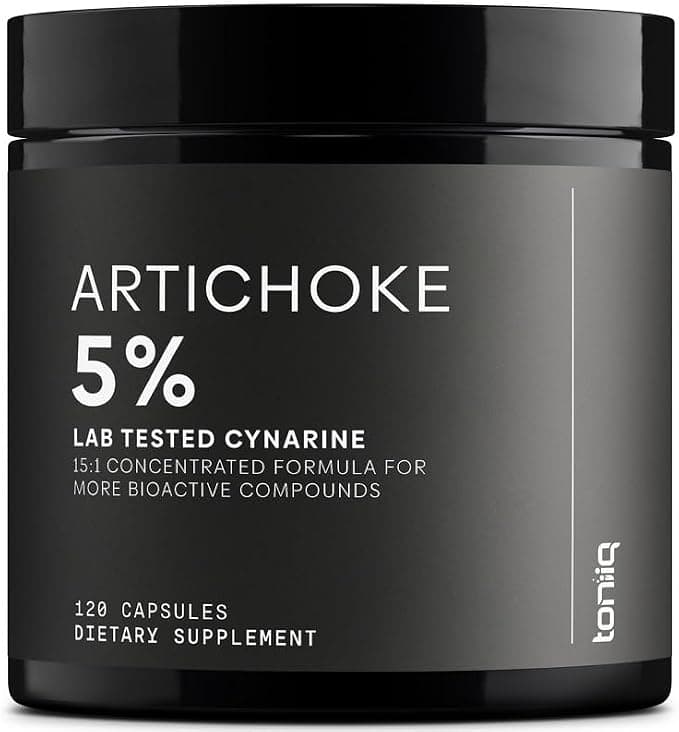
Suppliers
Vendors carrying Artichoke Extract, with live product details and codes. Links are affiliate links that support the wiki at no cost to you.
Amazon
Artichoke Extract
Research
- 2013first citedArtichoke leaf extract for treating hypercholesterolaemia.
- 2018most recentEfficacy of artichoke leaf extract in non-alcoholic fatty liver disease: A pilot double-blind r…
- 1.Pharmacological Studies of Artichoke Leaf Extract and Their Health Benefits
- 2.Artichoke leaf extract for treating hypercholesterolaemia.
- 3.The effect of artichoke on lipid profile: A review of possible mechanisms of action
- 4.Efficacy of artichoke leaf extract in non-alcoholic fatty liver disease: A pilot double-blind randomized controlled trial
- 5.Inhibition of Cyclic Adenosine Monophosphate-Specific Phosphodiesterase by Various Food Plant-Derived Phytotherapeutic Agents
5 listed here; entry last updated August 2026
Reviews
My notesprivate to this device
FAQ
What is Artichoke Extract used for?
It is used as a nootropic for memory and focus, and traditionally for digestive support.
How does Artichoke Extract work?
It contains luteolin, a PDE4 inhibitor that raises cAMP in the brain, which is the basis of the CILTEP stack.
Is Artichoke Extract well-researched?
It is well studied for digestion and cholesterol, while its nootropic use is more theory-driven with less direct human data.
What are the main side effects?
It may cause gas or GI upset, and people allergic to related plants should be cautious.
Adverse effects
- Mild gas or bloating
- Stomach upset
- Stimulates bile flow, so caution with bile duct obstruction or gallstones
Notes and cautions
- Generally well tolerated
- Allergy possible in people sensitive to Asteraceae plants such as ragweed, marigold, and daisy