
Loading…
for educational and safety purposes
sci-wiki~$open stack optic-nerve-support
energy, blood flow, and one experimental item, aimed at the one nerve that does not grow back
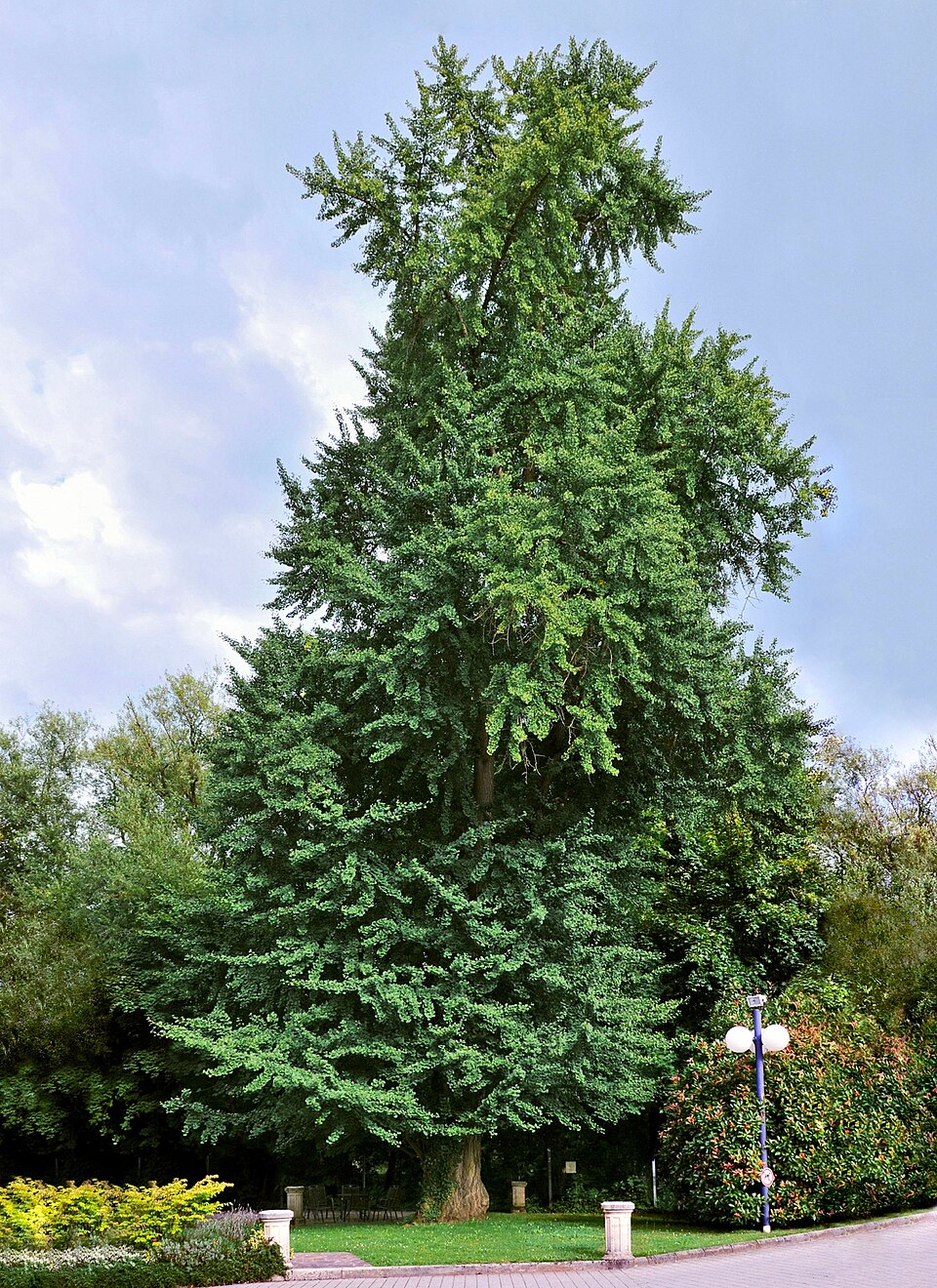 Ginkgo Bilobaocular blood flow; the vascular half of the argumentdaily, with food
3 items; 3 structures drawn from pubchem.
This stack exists because the optic nerve is the case where waiting to find out is the worst strategy available. Retinal ganglion cells do not regenerate in humans, so anything lost is lost, and that asymmetry is the entire argument for acting on imperfect evidence here rather than on none.
Vitamin B3 is the item with a real case behind it. The nicotinamide and glaucoma line of work is a genuine, mechanistically motivated result about NAD+ availability in retinal ganglion cells, and it is why this stack is built around a vitamin rather than around something exotic.
Ginkgo has the longer history and the messier evidence, strongest in the normal-tension presentation where perfusion rather than pressure is doing the damage. Stating that limit is more useful than the blanket claim.
⚠️ COMPOUND 7P IS MARKED OPTIONAL AND IT IS THE ONLY SPECULATIVE ITEM HERE. Its own entry says it plainly: no mechanism of action has been established, and it was found by phenotypic screening, which means it was selected for what it DID rather than for how. It is in this roster as an experiment attached to a well-founded base, never as the reason to run the stack. Anyone uncomfortable with that should run the first two, which is a complete stack on its own.
Retinal ganglion cells are unusually expensive to run. Their axons are long, largely unmyelinated where they cross the retina, and they fire constantly, so they sit close to their metabolic ceiling in a way most neurons do not. That is the organising fact, and each item here addresses a different reason that ceiling gets breached.
Vitamin B3 is the metabolic half. Both nicotinic acid and nicotinamide are precursors to NAD+, the coenzyme that carries electrons through the reactions producing cellular energy, and declining NAD+ availability in retinal ganglion cells is the specific mechanism the nicotinamide work in glaucoma was built on. Ginkgo is the vascular half: its flavonoid fraction scavenges free radicals while the terpenoids affect blood flow, and reduced ocular perfusion is a separate and well-described contributor to optic nerve damage, particularly where pressure alone does not explain the loss.
Those two are complementary rather than additive. Supplying more NAD+ to a cell that is underperfused, or more perfusion to a cell that cannot make energy, each leaves the other constraint in place.
Nothing, and that is the honest answer for all three. Optic nerve support is a structural argument measured in fields and thresholds over months, not a subjective one.
The one thing that IS felt belongs to the wrong form: nicotinic acid produces the well-known flush, a hot prickling of the face and chest that is harmless and alarming. Nicotinamide, the flush-free form, is both the more comfortable choice and the form the glaucoma work actually used.
⚠️ NONE OF THIS IS A SUBSTITUTE FOR AN OPHTHALMOLOGIST, and that is the only caution here that really matters. Optic nerve damage is diagnosed and monitored with equipment, it is usually painless, and by the time it is noticeable it is established. Anyone with a reason to be reading this needs pressure checks and visual fields, not a supplement stack instead of them. Ginkgo carries the one real interaction: it affects platelet function, so it compounds the bleeding risk of anticoagulants and antiplatelet drugs, and it is conventionally stopped before surgery. High-dose nicotinic acid is hepatotoxic at sustained high intakes and causes the flush; nicotinamide avoids the flush and is the form to prefer. Compound 7P has no established human safety record at all, which is the other half of having no established mechanism.
nothing flaggedcurated roster
every pair here reads as compatible on the mechanisms the site holds. that is the absence of a known conflict, not a clearance.
2 of 3 in one basketRUPharma
2 of 3 priced
1 of these carry no listed price, so there is no honest total to print; the lines above are what can actually be costed.
no overlap found
no two of these share a primary class or a listed receptor. every item is pulling a different lever.
interested in protocols? join the discord; that is where dosing, timing and the practical side get discussed.
the sci-wiki publishes this as a description of what these compounds do together, not as a recommendation to take them. Nothing here is medical advice.