
data + articles · 2 listed
newest 2026spec sheet12 rows
Naloxone (brand name Narcan) is an opioid antagonist used to reverse opioid overdoses; it is a rescue medication, not a drug of use. It works by blocking the mu-opioid receptor and knocking opioids off it, rapidly restoring breathing in someone who has overdosed. It has essentially no euphoric effect of its own and is a cornerstone of opioid harm reduction.
- Reverses an opioid overdose within minutes
- Restores breathing when someone has stopped
- No high, no abuse potential, nothing to misuse
- Worth keeping at home if anyone nearby uses opioids
- Simple enough for a bystander to give in an emergency
- A cornerstone of opioid harm reduction worldwide
- Precipitated opioid withdrawal in dependent people
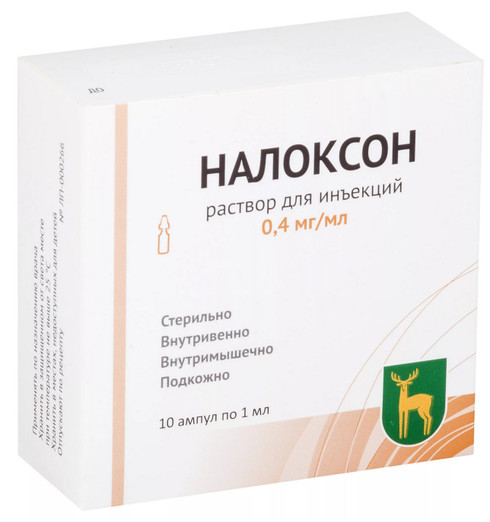
Mechanism
Naloxone is a competitive at the mu-opioid receptor; it binds the receptor with high affinity but does not activate it, so it displaces opioids and blocks their effects. In an overdose this rapidly reverses opioid-induced respiratory depression. It has no meaningful agonist activity of its own, which is why it produces no high and is safe to give to a person who may have overdosed.
receptor fingerprint
Mu-opioid receptorCompetitive antagonist
Safetyrisks and cautions, not medical advice
Naloxone itself is very safe and does not cause a high; its main effect in an opioid-dependent person is to precipitate sudden, uncomfortable withdrawal (agitation, nausea, sweating). Because it is shorter-acting than many opioids, its effect can wear off before the opioid does, so overdose can return and repeat doses or emergency care are important. It only works on opioids, not on other depressants. Not medical advice.
Interactionsdocumented pairs only, not exhaustive
Naloxone's interactions are all versions of one thing: it is a competitive antagonist at the mu opioid receptor, so it reverses whatever an opioid is doing. In someone physically dependent on opioids, that reversal precipitates acute withdrawal within minutes, with agitation, vomiting, sweating, tachycardia and hypertension; in a neonate born to a dependent mother it can precipitate seizures. In someone taking opioids for pain, it removes analgesia along with the respiratory depression.
Buprenorphine is the awkward case. Its very high receptor affinity and slow dissociation mean ordinary naloxone doses displace it poorly, and reversing buprenorphine-associated respiratory depression takes far larger and repeated doses than reversing a full agonist.
Abrupt reversal has been linked to pulmonary edema, ventricular arrhythmia and cardiac arrest, most often where cardiovascular disease or a high catecholamine state is already present. Naloxone does nothing at all for respiratory depression caused by benzodiazepines, alcohol, barbiturates or gabapentinoids, which is worth knowing when an overdose involves more than one drug.
Checking a whole stack? Run it through interactions + stacks.
Subjective profileweighing the evidence above
Worth having in the house if anyone in your life uses opioids, full stop. No high, no abuse potential, and it restores breathing within minutes. Two things to know: it triggers sudden withdrawal in someone dependent, and it can wear off before the opioid does, so call emergency services anyway.
Resources
No suppliers are provided for compounds like this. This entry is here for reference.
Research
- 1.Naloxone dosing in the era of synthetic opioids: Applying the Goldilocks principle
- 2.Medications for Opioid Use Disorder, Opioid Withdrawal, and Opioid Overdose: A Review
2 listed here; entry last updated August 2026
Reviews
My notesprivate to this device
FAQ
Is naloxone a drug people take to get high?
No. It is a mu-opioid antagonist with no euphoric effect; it is a rescue medicine that blocks opioids and reverses overdose.
Why might more than one dose be needed?
Naloxone is shorter-acting than many opioids, so it can wear off while the opioid is still active, letting the overdose return; repeat doses and emergency care matter.
Does it work on all overdoses?
No. It only reverses opioids; it does nothing for overdoses of alcohol, benzodiazepines or stimulants.
Limitations of the evidence
- Short duration (overdose can return)
- No effect on non-opioid overdoses
Adverse effects
- Precipitated opioid withdrawal in dependent people