
spec sheet13 rows
Naltrexone is an opioid receptor antagonist used primarily to treat alcohol use disorder and opioid use disorder. Taken orally or as a monthly extended-release injection, it blocks the euphoric and reinforcing effects of opioids and reduces alcohol craving, and it appears on the World Health Organization's List of Essential Medicines. At much lower doses than those approved for addiction, so-called low-dose naltrexone (LDN) is used off-label for chronic pain and inflammatory conditions, although that evidence is preliminary.
- Blocks opioid receptors outright
- Central to modern addiction care
- Low dose form studied for inflammation
- Immune modulation is the frontier interest
- On the WHO Essential Medicines list
- Explored widely for chronic conditions
- Nausea
- Headache
- Precipitated withdrawal if opioids present
Overview
Naltrexone is a competitive antagonist at opioid receptors, with the greatest affinity for the mu-opioid receptor [4]. It was approved in the United States for opioid dependence in the 1980s and for alcohol dependence in the 1990s, and is available both as a daily oral tablet and as a long-acting intramuscular injection [4]. In alcohol use disorder it is an adjunct to counseling; a Cochrane meta-analysis of 50 randomized trials found that naltrexone modestly but significantly reduced the risk of heavy drinking and the number of drinking days, establishing it as an effective and generally safe option [1]. In opioid dependence, the extended-release injectable form supports abstinence after detoxification, with long-term studies reporting sustained opioid-free urine tests and no new safety concerns [2].
A distinct off-label practice uses naltrexone at a small fraction of the standard dose, commonly called low-dose naltrexone. Interest here centers on pain and immune modulation rather than addiction. In a single-blind crossover pilot study, low-dose naltrexone reduced fibromyalgia symptoms and improved pain thresholds, with benefit greatest in patients showing markers of inflammation and side effects limited to occasional insomnia and vivid dreams [3]. Similar low-dose use has been explored in multiple sclerosis, Crohn's disease, and other chronic conditions, but trials are generally small and the approach is not formally approved.
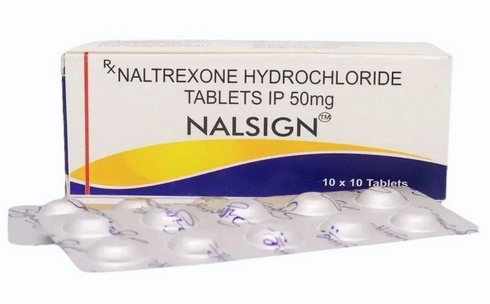
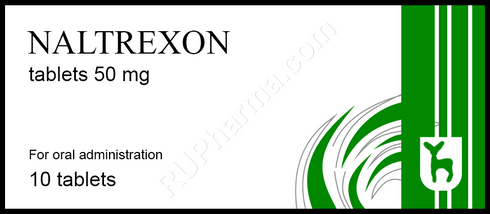
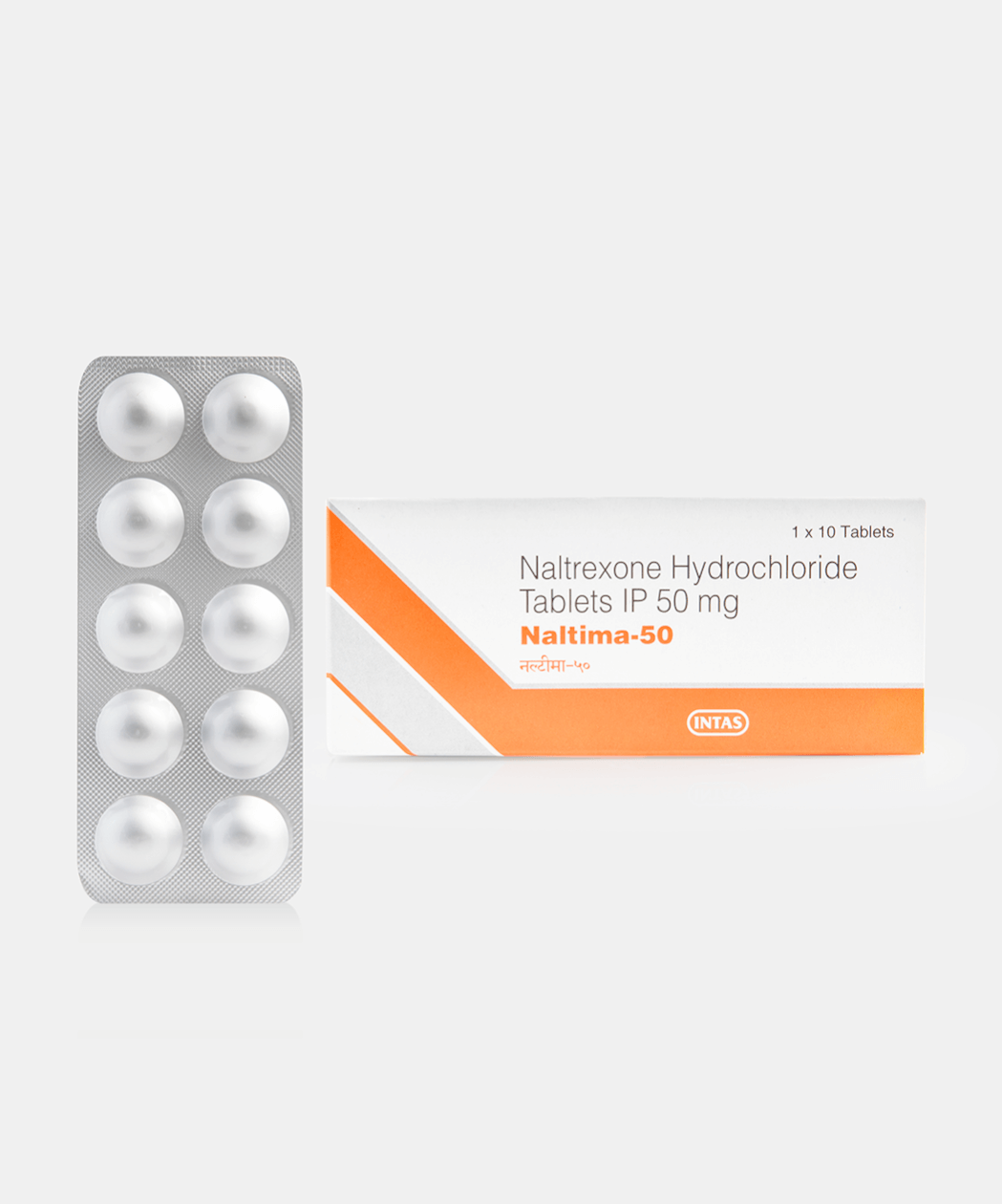
Naltrexone is a prescription medicine, not a controlled substance, and is widely available as a generic. Standard formulations include oral tablets and a monthly depot injection marketed for both alcohol and opioid dependence [4]. Because it occupies opioid receptors, patients must be free of opioids before starting to avoid precipitated withdrawal, and it can blunt the effect of opioid pain medicines. Low-dose preparations are typically compounded, since commercial tablets are made for the higher approved doses.

- At roughly a tenth of its standard dose, low-dose naltrexone shifts from an addiction treatment to an off-label anti-inflammatory used for pain and autoimmune conditions.
- Naltrexone is on the World Health Organization's List of Essential Medicines.
- A single monthly injection of the extended-release form can maintain opioid-receptor blockade for weeks, removing the need for a daily pill.
Mechanism
Naltrexone works by competitively blocking opioid receptors, especially the mu-opioid receptor, without activating them [4]. By occupying these receptors it prevents both administered opioids and the body's own endorphins from producing reward and euphoria, which underlies its use in opioid dependence and its dampening of the pleasurable effects of alcohol; part of the anti-alcohol effect is attributed to reduced opioid-mediated release in reward pathways [1][4]. The rationale for low-dose naltrexone is different; brief, low-level receptor blockade is thought to trigger a compensatory rise in endorphins, and naltrexone also appears to inhibit glial cell activity and related inflammatory signaling, producing anti-inflammatory effects that may relieve pain [3]. Its long-lived 6-beta-naltrexol contributes to the sustained activity [4].
receptor fingerprint
Opioid receptors (mu)antagonist
/ TLR4 (low dose)inhibits
Endorphin signalingupregulates (rebound)
Dosingtypical ranges, not medical advice
interested in protocols and clinical dosages? make an account to see them! ^_^
Safetyrisks and cautions, not medical advice
Naltrexone blocks opioid receptors, so giving it to someone physically dependent on opioids can precipitate acute, severe withdrawal; users must be opioid-free (typically 7 to 10 days) before starting. It can cause nausea, headache, dizziness, and insomnia, and higher doses have been associated with dose-related liver enzyme elevations, so hepatic caution is advised. Because it blocks opioid pain relief, it complicates emergency analgesia and is dangerous if someone attempts to override the blockade with large opioid doses.
Interactionsdocumented pairs only, not exhaustive
Naltrexone is a competitive mu-opioid receptor antagonist that produces a significant pharmacodynamic interaction with opioid analgesics or other opioid agonists. When naltrexone is given to a patient taking opioids, it precipitates acute opioid withdrawal syndrome by blocking the agonist effects; this is well-documented in patients treated for alcohol or opioid use disorder who inadvertently or deliberately take opioids while on naltrexone [24]. The onset is rapid and the effects can be severe, including autonomic hyperactivity, pain, and psychiatric symptoms.
Naltrexone's interactions are almost entirely pharmacodynamic and limited to opioid agonists and partial agonists. Alcohol is commonly prescribed with naltrexone in treatment settings, but specific pharmacokinetic interactions have not been clearly documented. Most other medication classes and supplements lack published interaction data with naltrexone.
Checking a whole stack? Run it through interactions + stacks.
History
Naltrexone was first synthesized in 1965 by chemists at Endo Laboratories in the United States, developed as a long-acting orally effective opioid antagonist during an era of intense interest in treatments for opioid dependence. It received United States Food and Drug Administration approval in 1984 for the management of opioid addiction, marketed as Trexan, and its indication was expanded in the mid-1990s to include alcohol use disorder under the brand name ReVia, following evidence that blocking opioid receptors reduces alcohol craving and reward.
A monthly extended-release injectable formulation, Vivitrol, later broadened its use by improving adherence. In parallel, a very different tradition developed around markedly lower doses; the physician Bernard Bihari and others in the 1980s began exploring so-called low-dose naltrexone, or LDN, for immune and inflammatory conditions, giving rise to an active off-label following. Today naltrexone appears on the World Health Organization's List of Essential Medicines and occupies the unusual position of being both a standard addiction medicine and, at a fraction of that dose, a widely discussed off-label anti-inflammatory.
Reputation
Naltrexone is well respected on two quite separate fronts. In addiction medicine it is a trusted, non-addictive cornerstone treatment; by blocking the euphoria of opioids and dampening the reinforcing pull of alcohol, it helps people sustain recovery, and its monthly injectable form removes the daily-pill burden that can undermine treatment. Its low-dose incarnation has meanwhile attracted a passionate and growing interest for chronic pain, fibromyalgia, and inflammatory and autoimmune conditions, where the proposed anti-inflammatory action on glial cells offers an appealing, low-side-effect option that patients often describe warmly.
The balanced view is that the addiction indications rest on robust, long-established evidence, whereas the low-dose uses, though genuinely promising and supported by encouraging early studies, remain preliminary and are still being investigated in larger trials. That combination of a proven core role and a hopeful frontier of new applications makes naltrexone one of the more quietly fascinating drugs in modern use.
Subjective profileweighing the evidence above
One of the more useful drugs in addiction medicine and underused for alcohol in particular. It has to be started opioid free, typically after seven to ten days, or it precipitates severe withdrawal, and it blocks opioid pain relief if you later need it. The low-dose inflammation use is a separate, much thinner story.
Resources
No suppliers are provided for compounds like this. This entry is here for reference.
Research
- 1988first citedNaltrexone: a review of its pharmacodynamic and pharmacokinetic properties and therapeutic effi…
- 2010meta-analysisOpioid antagonists for alcohol dependence
- 2018most active year3 papers
- 2023most recentLow-dose naltrexone's utility for non-cancer centralized pain conditions: a scoping review
- 1.Opioid antagonists for alcohol dependence
- 2.Injectable extended-release naltrexone (XR-NTX) for opioid dependence: long-term safety and effectiveness
- 3.Fibromyalgia symptoms are reduced by low-dose naltrexone: a pilot study
- 4.Naltrexone: a review of its pharmacodynamic and pharmacokinetic properties and therapeutic efficacy in the management of opioid dependence
- 5.Combined pharmacotherapies and behavioral interventions for alcohol dependence: the COMBINE study: a randomized controlled trial
- 6.Efficacy and tolerability of long-acting injectable naltrexone for alcohol dependence: a randomized controlled trial
- 7.Naltrexone depot formulations for opioid and alcohol dependence: a systematic review
- 8.Comparative effectiveness of extended-release naltrexone versus buprenorphine-naloxone for opioid relapse prevention (X:BOT): a multicentre, open-label, randomised controlled trial
- 9.Randomized trial of long-acting sustained-release naltrexone implant vs oral naltrexone or placebo for preventing relapse to opioid dependence
- 10.A systematic review and meta-analysis of naltrexone implants for the treatment of opioid dependence
- 11.Treating Opioid Dependence With Injectable Extended-Release Naltrexone (XR-NTX): Who Will Respond?
- 12.Pharmacological enhancement of naltrexone treatment for opioid dependence: a review
24 listed here; entry last updated August 2026
Reviews
My notesprivate to this device
FAQ
What is LDN?
Low-dose naltrexone uses a fraction of the standard dose and is studied for calming inflammation and modulating the immune system.
Why take LDN at night?
Bedtime dosing is a common LDN protocol thought to align with the body's endorphin rhythms, though vivid dreams can occur.
Can I use opioids while taking it?
It blocks opioid receptors, so combining with opioids is dangerous and can precipitate withdrawal; this needs medical guidance.
What's its main approved use?
At standard doses it's used in the treatment of opioid and alcohol dependence.
Adverse effects
- Nausea
- Headache
- Precipitated withdrawal if opioids present
Notes and cautions
- Vivid dreams (low-dose)