
spec sheet7 rows
Itopride is a prokinetic drug used for functional dyspepsia and delayed gastric emptying; it speeds gastric transit by raising acetylcholine at the gut wall.
- A prokinetic for functional dyspepsia and slow gastric emptying
- Two reinforcing actions on gut motility at once
- No meaningful hERG channel effect
- Raises acetylcholine right at the gut wall
- Faster gastric transit for a genuinely slow stomach
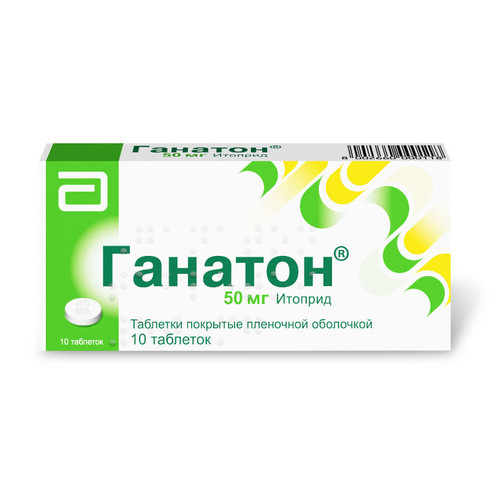

- Itopride works by two mechanisms at once, dopamine D2 antagonism plus acetylcholinesterase inhibition, both raising gastric acetylcholine and contractile force [3].
- Its AChE inhibition is reversible and mixed-type with IC50 2.04 microM, roughly 200-fold weaker than neostigmine and about 100-fold selective for AChE over butyrylcholinesterase [2].
- In the pivotal 554-patient NEJM trial, 57%, 59% and 64% on 50, 100 and 200 mg three times daily were symptom-free or markedly improved at 8 weeks versus 41% on placebo [1].
- Network meta-analysis confirms itopride beats placebo in functional dyspepsia but ranks it below tricyclic antidepressants and levosulpiride [4].
- In longstanding diabetes, 200 mg three times daily for 7 days gave only a non-significant trend to faster gastric emptying (p=0.09) and no symptom benefit, so gastroparesis is a weaker indication [5].
Mechanism
Itopride blocks receptors on myenteric neurons, which removes the brake on release, and separately inhibits so the released acetylcholine persists longer. The two actions reinforce each other. Unlike cisapride it has no 5-HT4 activity and no meaningful hERG channel effect, which is why it survived the safety review that took cisapride off the market. It is not approved in the United States.
receptor fingerprint
receptorAntagonist at enteric and chemoreceptor trigger zone D2 receptors, removing the dopaminergic brake on acetylcholine release from myenteric neurons
(AChE)Reversible, mixed-type but primarily uncompetitive inhibition; fully reversible on ultrafiltration up to 3 x 10^-5 M, unlike neostigmine
Butyrylcholinesterase (BuChE)Weak inhibition, roughly 100-fold less potent than against AChE
Pituitary lactotroph receptorsPeripheral D2 blockade raises serum prolactin
Safetyrisks and cautions, not medical advice
a prescription prokinetic; dopamine D2 blockade raises prolactin and can rarely produce extrapyramidal effects, and cholinergic action makes it unsafe in mechanical obstruction, perforation or GI haemorrhage
Subjective profileweighing the evidence above
Prokinetics are a graveyard of withdrawn drugs, and itopride's claim to attention is that it does the job without the channel problem that killed cisapride, having no 5-HT4 activity and no meaningful hERG effect. For functional dyspepsia with a genuinely slow stomach it is a reasonable option where it is licensed, and it is not licensed in the United States. D2 blockade still raises prolactin and can rarely produce movement side effects, and anything cholinergic is dangerous in a bowel that might be obstructed or bleeding.
Where to buy

1 other outlet
Suppliers
Vendors carrying Itopride, with live product details and codes. Links are affiliate links that support the wiki at no cost to you.
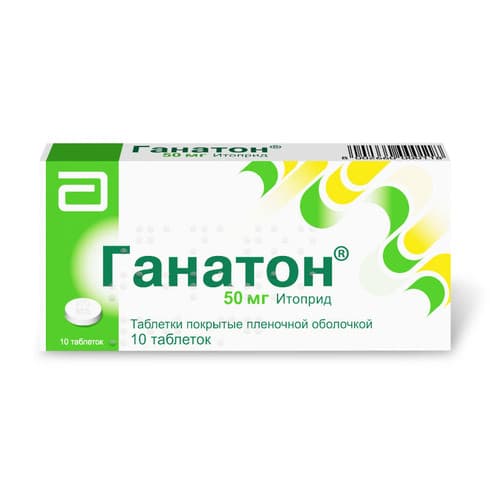
RUPharma🌐
Itopride
RUPharma🌐
Itopride
Research
- 1994first citedCharacterization of acetylcholinesterase-inhibition by itopride.
- 2020most recentSystematic review and network meta-analysis: efficacy of drugs for functional dyspepsia.
- 1.A placebo-controlled trial of itopride in functional dyspepsia.
- 2.Characterization of acetylcholinesterase-inhibition by itopride.
- 3.Gastroprokinetic effect of a new benzamide derivative itopride and its action mechanisms in conscious dogs.
- 4.Systematic review and network meta-analysis: efficacy of drugs for functional dyspepsia.
- 5.Effect of itopride on gastric emptying in longstanding diabetes mellitus.
- 6.Itopride in the treatment of functional dyspepsia in Chinese patients: a prospective, multicentre, post-marketing observational study.
6 listed here; entry last updated August 2026
Reviews
My notesprivate to this device
Notes and cautions
- Itopride is approved in Japan, India and China but not by the FDA or EMA, so there is no boxed warning.
- Its D2 antagonism raises serum prolactin and can cause galactorrhoea, gynaecomastia and menstrual disturbance, and its cholinesterase inhibition means additive effects with other cholinergics and caution in asthma, peptic ulcer and bradyarrhythmia; withhold where GI stimulation is dangerous, such as obstruction, perforation or haemorrhage.
- Real-world tolerability is good, with a 1.54% adverse event rate in 587 patients, all minor [6]; note the NEJM trial carries a published correction to its mechanism statement.