
spec sheet12 rows
Atropine is a tropane alkaloid obtained from belladonna and related nightshades, existing chemically as the racemate dl-hyoscyamine and acting as a competitive antagonist at muscarinic acetylcholine receptors. Its parasympatholytic action supports several essential clinical uses: reversing symptomatic bradycardia, dilating the pupil for ophthalmic examination, reducing secretions before anesthesia, and serving with an oxime reactivator as the cornerstone antidote for organophosphate insecticide and nerve-agent poisoning. Its historical isolation in the 1830s was instrumental in the discovery of acetylcholine as a neurotransmitter and in the characterization of autonomic signaling. Because it blocks muscarinic transmission throughout the body, atropine can itself precipitate an anticholinergic delirium at excessive doses, which is why nonmedical use is discouraged. It remains on the World Health Organization list of essential medicines and continues to anchor research into improved antidotal formulations.
- A WHO essential medicine and a cornerstone antidote
- Reverses dangerously slow heart rates in emergencies
- Backbone of nerve agent and organophosphate poisoning treatment
- Dilates the pupil for eye examinations
- Dries secretions before anesthesia
- Its isolation helped reveal acetylcholine itself
- Dry mouth and blurred vision
- Rapid heartbeat
- Flushing and reduced sweating with overheating
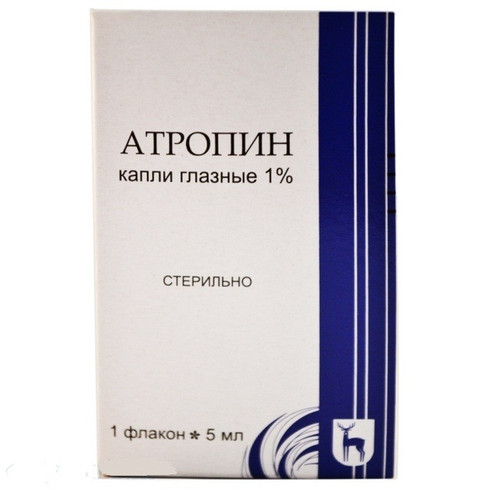
Mechanism
Atropine is a competitive at receptors (M1-M5). Peripherally, blocking muscarinic receptors on the heart's pacemaker speeds the heart rate, relaxes smooth muscle, dilates the pupils, and dries glandular secretions; this is also why it reverses the deadly muscarinic overstimulation caused by nerve agents and organophosphate pesticides. It crosses the , so at high enough doses it also blocks central muscarinic receptors and produces the classic delirium and toxidrome.
receptor fingerprint
M2 receptor (heart)Antagonist
receptors (M1-M5)Antagonist
Safetyrisks and cautions, not medical advice
In controlled medical use atropine is valuable and often lifesaving, but it has a narrow margin; too much causes the full anticholinergic toxidrome (blurred vision, delirium, flushing, dangerous overheating, dry mouth), along with racing heart, urinary retention, seizures, and death. As a deliriant it produces realistic hallucinations mistaken for reality, confusion, and memory loss, an experience that is dangerous and generally deeply unpleasant. Do not combine it with other anticholinergics or antihistamines, which stacks the burden, and be aware elderly people and long-term anticholinergic use carry dementia-risk associations. Not medical advice.
Interactionsdocumented pairs only, not exhaustive
Atropine is a competitive muscarinic antagonist, so its interactions are mostly a matter of adding or subtracting antimuscarinic tone. Drugs with their own anticholinergic activity stack with it: first generation antihistamines, tricyclic antidepressants, low potency antipsychotics such as chlorpromazine, antiparkinsonian agents like benztropine, and gut antispasmodics. The combined burden produces the classic toxidrome of dry mouth, blurred vision, urinary retention, tachycardia, impaired sweating with hyperthermia, and in older adults frank delirium.
The mirror image is antagonism. Atropine directly opposes cholinesterase inhibitors, which is the point in organophosphate poisoning but counterproductive alongside pyridostigmine in myasthenia gravis or donepezil in dementia, where each blunts the other.
Slowed gastric emptying changes how other oral drugs are absorbed, delaying onset for some and increasing mucosal contact time for others; solid potassium chloride formulations are the usual example, where prolonged contact raises the risk of gut ulceration. Reduced saliva also impairs dissolution of sublingual tablets such as nitroglycerin.
Checking a whole stack? Run it through interactions + stacks.
Subjective profileweighing the evidence above
An essential medicine and a terrible recreational drug. In a clinic it reverses dangerous bradycardia and is the backbone of nerve-agent treatment; taken for effect it produces a genuinely hazardous delirium with overheating, seizures and no reliable margin. Respect the first use and avoid the second entirely.
Where to buy
Suppliers
Vendors carrying Atropine, with live product details and codes. Links are affiliate links that support the wiki at no cost to you.
RUPharma🌐
Atropine
Research
- 2007first citedSolanaceae IV: Atropa belladonna, deadly nightshade.
- 2025most recentMagnesium sulfate and/or calcium channel blockers as co-adjuvant treatments to standard therapy…
- 1.Ophthalmic Atropine: A Typical Anticholinergic Toxidrome From an Atypical Old Culprit
- 2.Toxidromes and a general approach to poisoning
- 3.Bioorganic Chemistry, Toxinology, and Pharmaceutical Uses of Datura Metabolites and Derivatives.
- 4.Beauty of the beast: anticholinergic tropane alkaloids in therapeutics.
- 5.Pharmacokinetics and efficacy of atropine sulfate/obidoxime chloride co-formulation against VX in a guinea pig model.
- 6.Outcomes of elderly patients with organophosphate intoxication.
- 7.Magnesium sulfate and/or calcium channel blockers as co-adjuvant treatments to standard therapy for acute organophosphate insecticide poisoning: a systematic review and meta-analysis.
- 8.Novel chlorinated oxime K870 protects rats against paraoxon poisoning better than obidoxime.
- 9."People are afraid of getting injections": feasibility of community-placed atropine auto-injectors in treating organophosphate poisoning in Sri Lanka.
- 10.Plasma level of atropine after accidental ingestion of Atropa belladonna.
- 11.Solanaceae IV: Atropa belladonna, deadly nightshade.
11 listed here; entry last updated August 2026
Reviews
My notesprivate to this device
FAQ
If atropine is a poison antidote, is it safe?
It is a legitimate and often lifesaving drug in trained hands, but it has a narrow therapeutic window. The same muscarinic blockade that reverses nerve-agent poisoning becomes a dangerous toxidrome if the dose is too high.
How is atropine different from scopolamine?
Both are nightshade tropane alkaloids and muscarinic antagonists. Atropine acts more strongly on the heart and peripheral tissues, while scopolamine penetrates the brain more readily and is the more potent central deliriant and amnestic.
Why is recreational use discouraged?
Because the deliriant dose sits close to the toxic dose. The experience is confusing and frightening rather than pleasant, and overdose can cause seizures, dangerous overheating, and death.
Adverse effects
- Dry mouth and blurred vision
- Rapid heartbeat
- Flushing and reduced sweating with overheating
- Confusion, hallucinations, and delirium at high doses