
spec sheet9 rows
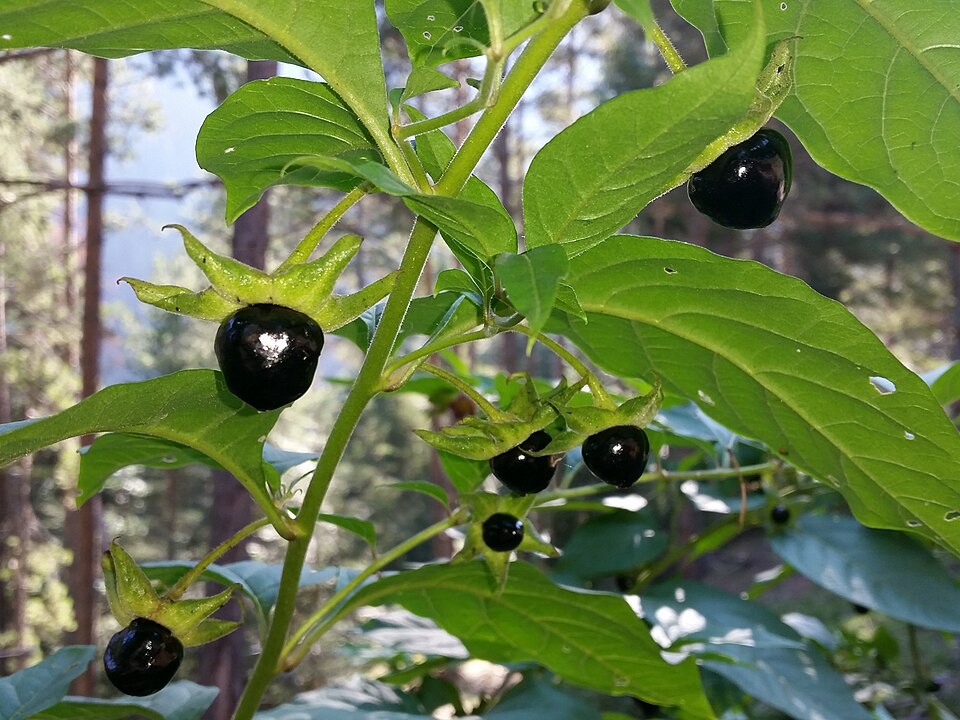
Atropa belladonna, commonly called deadly nightshade, is a Solanaceous plant that produces the tropane alkaloids atropine, scopolamine, and hyoscyamine throughout its roots, leaves, and berries. These alkaloids are potent competitive antagonists at muscarinic acetylcholine receptors, which accounts for the plant's dual identity as both a historic poison and a deliriant, and which historically made it a key pharmacological tool in mapping the autonomic nervous system. Ingestion produces a classic central and peripheral anticholinergic toxidrome, including mydriasis, tachycardia, hyperthermia, agitation, and delirium, with physostigmine reserved as an antidote in severe cases. Its danger is compounded by highly variable alkaloid content between plants and plant parts, and its sweet-looking dark berries are a frequent cause of accidental pediatric poisoning. Modern case reports also document intoxication from belladonna-contaminated herbal products and remedies.
- Historical source of atropine and related alkaloids used in medicine
- Historically used cosmetically to dilate pupils and in traditional preparations
- No safe recreational use; genuine medical value belongs to the purified, dose-controlled alkaloids
- Nightshade source of muscarinic-blocking tropane alkaloids
- Dilated pupils and blurred vision
- Dry, flushed skin and dangerous overheating
- Realistic hallucinations, confusion, and memory loss
- Rapid heartbeat, seizures, coma, and death
Mechanism
Belladonna's activity comes from its tropane alkaloids; atropine, scopolamine, and hyoscyamine are competitive antagonists at receptors (M1-M5). They cross the and block central muscarinic signaling, producing the anticholinergic delirium, while peripheral muscarinic blockade drives the toxidrome; racing heart, dilated pupils, dry flushed skin, and reduced sweating. Because the concentration and mix of alkaloids vary from plant to plant and berry to berry, the dose-response is impossible to predict, which is what has made belladonna a classic poison for centuries.
receptor fingerprint
receptors (M1-M5)Antagonist (via atropine, scopolamine, hyoscyamine)
Safetyrisks and cautions, not medical advice
Atropa belladonna is genuinely deadly; a small number of its berries can poison, and the plant has been used historically to kill. It produces a full anticholinergic delirium with realistic hallucinations mistaken for reality, confusion, and memory loss, plus the classic toxidrome (blurred vision, delirium, flushing, dangerous overheating, dry mouth), racing heart, urinary retention, seizures, and death. The experience is by almost every account frightening rather than pleasant, and children are especially at risk from the tempting-looking berries. Never combine it with other anticholinergics or antihistamines, which stacks the burden. Not medical advice.
Subjective profileweighing the evidence above
Do not use this. The anticholinergic delirium it produces is frightening rather than pleasant, and the same alkaloids cause dangerous overheating, seizures, coma and death, with a handful of berries enough to poison a child. Whatever value the plant has lives in purified, dose-controlled atropine.
Resources
This entry is here for reference.
Research
- 2007first citedSolanaceae IV: Atropa belladonna, deadly nightshade.
- 2026most recentToxic Risks of Nightshade Species: A comprehensive review of the documented toxicity of Atropa…
- 1.Toxic Risks of Nightshade Species: A comprehensive review of the documented toxicity of Atropa belladonna, Solanum dulcamara, and Solanum nigrum
- 2.Atropa belladonna neurotoxicity: Implications to neurological disorders
- 3.Beauty of the beast: anticholinergic tropane alkaloids in therapeutics.
- 4.Bioorganic Chemistry, Toxinology, and Pharmaceutical Uses of Datura Metabolites and Derivatives.
- 5.Plasma level of atropine after accidental ingestion of Atropa belladonna.
- 6.Anticholinergic syndrome caused by contaminated herbal tea; acting swiftly to identify the source.
- 7.Atropa belladonna intoxication: a case report.
- 8.Solanaceae IV: Atropa belladonna, deadly nightshade.
8 listed here; entry last updated August 2026
Reviews
My notesprivate to this device
FAQ
How toxic is deadly nightshade?
Very. It has one of the more fearsome reputations among poisonous plants, and even a small number of berries can cause serious or fatal poisoning, especially in children.
Where does the name belladonna come from?
It means 'beautiful woman' in Italian, from the historical practice of using its extracts to dilate the pupils for cosmetic effect. That same pupil dilation is a sign of its anticholinergic action.
What makes belladonna a deliriant?
Its tropane alkaloids; atropine, scopolamine, and hyoscyamine block muscarinic acetylcholine receptors in the brain and body, producing an anticholinergic delirium and toxidrome that is dangerous and unpredictable.
Adverse effects
- Dilated pupils and blurred vision
- Dry, flushed skin and dangerous overheating
- Realistic hallucinations, confusion, and memory loss
- Rapid heartbeat, seizures, coma, and death