
spec sheet13 rows
Sildenafil is a phosphodiesterase type 5 (PDE5) inhibitor best known for treating erectile dysfunction, for which it was the first approved oral drug. Under a separate brand it is also used to treat pulmonary arterial hypertension. Discovered by Pfizer and approved in 1998, it is sold most famously as Viagra and, for lung disease, as Revatio.
- reliable erections; the drug that created the category
- fast acting, usually inside the hour
- the longest safety record of any PDE5 inhibitor
- opens blood flow by holding nitric oxide signalling open
- also an approved treatment for pulmonary hypertension
- generic for years now, so the price collapsed
- headache and facial flushing
- nasal congestion and indigestion
- temporary visual changes such as a bluish tint
Overview
Sildenafil is an orally active inhibitor of phosphodiesterase type 5 (PDE5) that Pfizer scientists first synthesized at their research site in Sandwich, England, while searching for treatments for angina and high blood pressure [1]. During early trials the compound proved disappointing for its intended cardiovascular purpose but produced a striking effect on penile erections, and the program was redirected toward erectile dysfunction [1]. The United States Food and Drug Administration approved it in 1998, making it the first oral therapy for the condition and reshaping how erectile dysfunction was viewed and treated [1].
In erectile dysfunction, pooled analyses of randomized trials show that sildenafil markedly raises the likelihood of successful intercourse compared with placebo and works across a range of patient groups, including men with diabetes [2]. It has become a benchmark against which newer PDE5 inhibitors are measured; head-to-head comparisons with the longer-acting tadalafil find broadly similar efficacy and safety, with differences mainly in duration and side-effect pattern [3]. Under the brand name Revatio, sildenafil is separately used to lower pressure in the pulmonary arteries in pulmonary arterial hypertension [1].
Sildenafil is a prescription medicine in most countries, and generic versions have been widely available since patents began expiring in the 2010s [1]. It is supplied chiefly as oral tablets, with additional formulations used in specialist settings [2]. Its shift from a niche cardiovascular candidate to a globally recognized brand is often cited as a classic example of drug repurposing through serendipity [1].
The drug is generally well tolerated, and in controlled trials it was not linked to serious cardiovascular events at approved use, although it is contraindicated together with nitrate medications because of the risk of dangerous falls in blood pressure [2]. Its typical adverse effects follow from its blood-vessel-relaxing action [3].

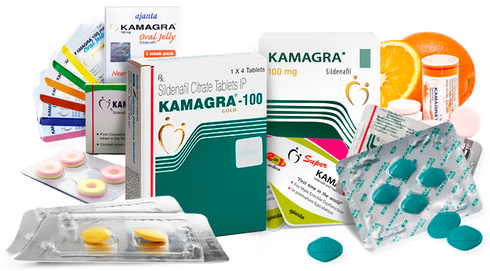
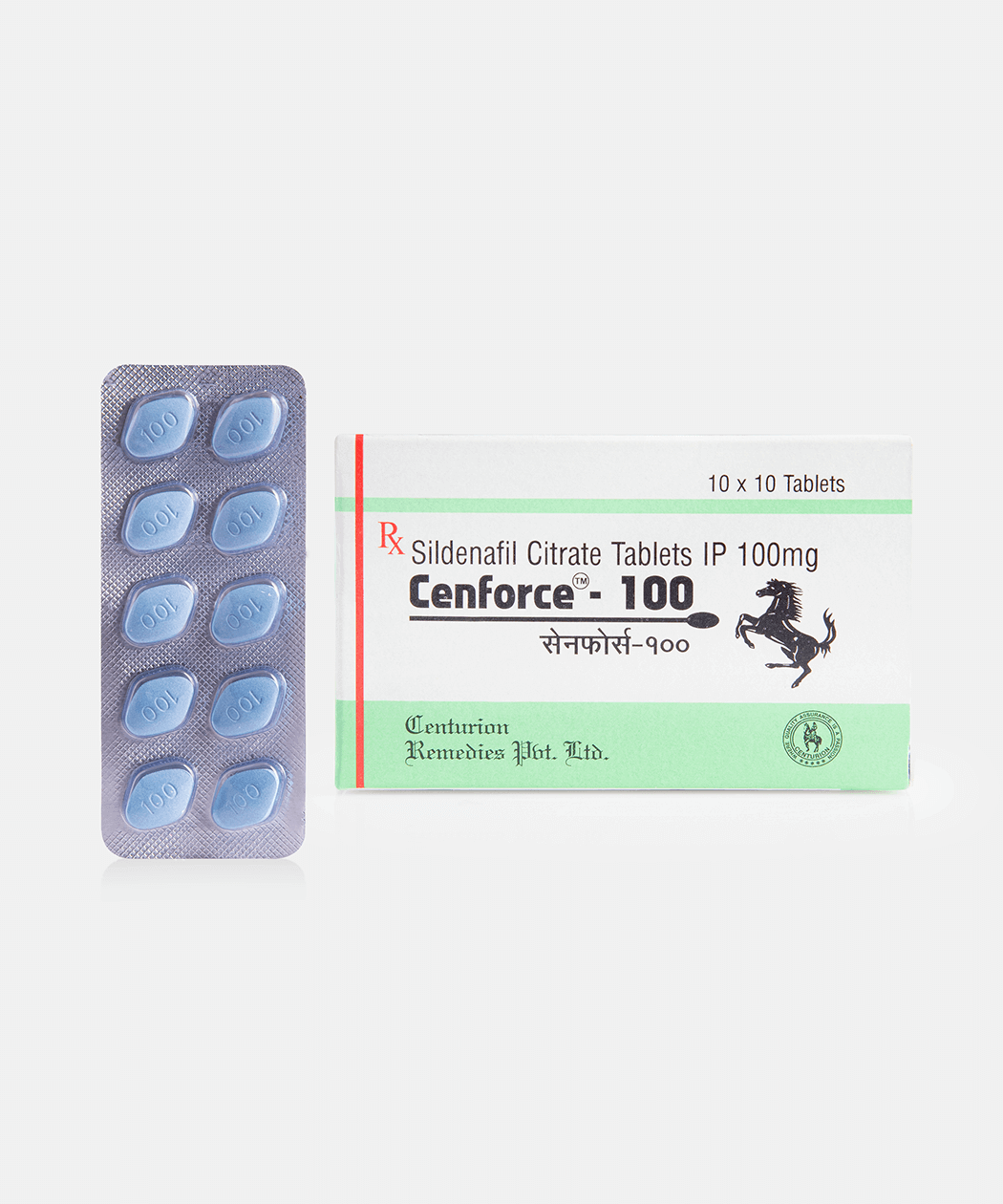
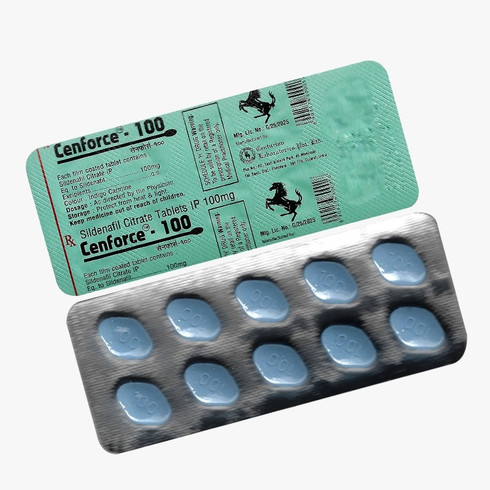
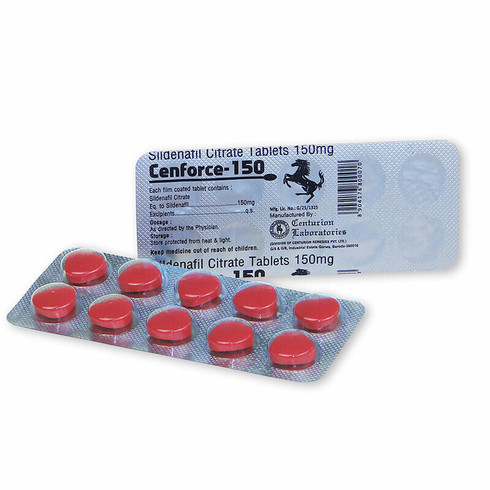
- Sildenafil began life as a heart medicine coded UK-92480; its use for erectile dysfunction was an unexpected finding during trials for angina.
- The same molecule is sold under two brand names for two very different conditions: Viagra for erectile dysfunction and Revatio for pulmonary arterial hypertension.
- In the pivotal pulmonary hypertension trial, patients on sildenafil walked roughly 45 to 50 meters farther in six minutes than those on placebo.
Mechanism
Sexual arousal releases in the erectile tissue of the penis, which stimulates production of cyclic guanosine monophosphate (cGMP); cGMP relaxes smooth muscle and allows blood to fill the corpora cavernosa, producing an erection [1]. Sildenafil acts by blocking PDE5, the enzyme that breaks cGMP down, so cGMP persists longer and the erectile response to stimulation is strengthened and prolonged [3]. Because the drug amplifies an existing signal rather than initiating it, sexual stimulation is still required for an effect [1]. The same PDE5-mediated relaxation of vascular smooth muscle lowers resistance in the pulmonary circulation, which underlies its use in pulmonary arterial hypertension [1].
receptor fingerprint
PDE5selective inhibitor
/ cGMP pathwayprolongs
Vascular smooth musclerelaxes
Dosingtypical ranges, not medical advice
interested in protocols and clinical dosages? make an account to see them! ^_^
Safetyrisks and cautions, not medical advice
Sildenafil is a PDE5 inhibitor whose common effects include headache, flushing, nasal congestion, indigestion, and transient visual color changes. It is contraindicated with nitrates and with riociguat because the combination can cause dangerous drops in blood pressure, and caution is needed with alpha-blockers and in significant cardiovascular disease. Rare but serious risks include priapism, a prolonged erection requiring emergency care, sudden vision loss (NAION), and sudden hearing loss.
Interactionsdocumented pairs only, not exhaustive
Sildenafil has a well-documented pharmacodynamic interaction with nitrates, including sublingual nitroglycerin and long-acting nitrates; co-administration causes severe additive vasodilation and life-threatening hypotension [5]. This interaction is contraindicated in clinical practice. Sildenafil is metabolized by CYP3A4, creating a pharmacokinetic interaction with CYP3A4 inhibitors such as ketoconazole, itraconazole, ritonavir, and clarithromycin; these inhibitors increase sildenafil exposure and systemic side effects, and some experts recommend dose reduction [6].
The magnitude of sildenafil level increases with CYP3A4 inhibitors can be substantial; grapefruit juice also inhibits CYP3A4 metabolism. Co-administration with alpha-blockers used for hypertension or prostate symptoms requires monitoring for additive blood pressure reduction, though this is less well-characterized than the nitrate interaction. Most other common medications do not have documented significant interactions with sildenafil, but the nitrate contraindication is absolute and well-established across clinical guidelines.
Checking a whole stack? Run it through interactions + stacks.
History
Sildenafil was discovered by medicinal chemists at Pfizer's research laboratories in Sandwich, Kent, England, during the early 1990s, where it carried the internal code UK-92480 and was developed as a candidate for angina and hypertension by inhibiting phosphodiesterase type 5. Clinical studies for heart conditions proved underwhelming, but investigators noted a striking and consistent report from male volunteers of improved erections, prompting Pfizer to redirect the compound toward erectile dysfunction.
The company patented the molecule and its use, and on 27 March 1998 the United States Food and Drug Administration approved it as Viagra, the first oral treatment for erectile dysfunction. The launch was a commercial and cultural landmark, rapidly making the drug one of the most recognizable pharmaceuticals in the world. In 2005 the same molecule was approved under the brand Revatio for pulmonary arterial hypertension, reflecting the vasodilatory action it shares across vascular beds. The serendipitous path from a failed cardiovascular drug to a first-in-class therapy is now a frequently cited example of pharmacological repurposing.
Reputation
Sildenafil enjoys an exceptionally strong reputation built on decades of use, a large body of controlled trial evidence, and familiarity among clinicians and patients worldwide. It reliably improves erectile function in a broad range of men, including those with diabetes and cardiovascular risk factors, and its on-demand dosing gives users a predictable window of effect. Its safety profile is well characterized after enormous real-world exposure, with common effects such as headache, flushing, and nasal congestion generally mild and transient.
In pulmonary arterial hypertension it earned a distinct clinical role by improving exercise capacity and hemodynamics. Its main limitations are honest and well understood; it requires sexual stimulation to work, must not be combined with nitrates, and does not address the psychological or hormonal causes of dysfunction. Even so, it remains a benchmark against which newer agents are measured.
Subjective profileweighing the evidence above
It works, it works quickly, and it has one of the longest safety records in its class, which is why it is still the default. Headache, flushing and congestion are the usual price. Prescription for good reason: combining it with nitrates can crash blood pressure, and priapism and sudden vision loss are rare but real.
Where to buy

33 other outlets

Suppliers
Vendors carrying Sildenafil, with live product details and codes. Links are affiliate links that support the wiki at no cost to you.
| supplier | size | price | $/mg |
|---|---|---|---|
| PCT.Zonelowest | 200MG | $5.36 | $0.027/mg |
| PCT.Zone | 150MG | $4.81 | $0.032/mg |
| PCT.Zone | 130MG | $4.60 | $0.035/mg |
| PCT.Zone | 100MG | $3.74 | $0.037/mg |
| PCT.Zone | 120MG | $4.50 | $0.037/mg |
| PCT.Zone | 100MG | $4.17 | $0.042/mg |
| PCT.Zone | 200MG | $8.50 | $0.043/mg |
| PCT.Zone | 100MG | $4.28 | $0.043/mg |
| PCT.Zone | 100MG | $4.28 | $0.043/mg |
| PCT.Zone | 100MG | $4.50 | $0.045/mg |
| PCT.Zone | 100MG | $5.36 | $0.054/mg |
| PCT.Zone | 50MG | $3.21 | $0.064/mg |
| PCT.Zone | 100MG | $6.50 | $0.065/mg |
| PCT.Zone | 100MG | $7.50 | $0.075/mg |
| PCT.Zone | 200MG | $16.00 | $0.080/mg |
| PCT.Zone | 50MG | $4.28 | $0.086/mg |
| PCT.Zone | 50MG | $4.28 | $0.086/mg |
| PCT.Zone | 100MG | $10.00 | $0.100/mg |
| PCT.Zone | 25MG | $2.89 | $0.116/mg |
| PCT.Zone | 100MG | $14.00 | $0.140/mg |
| PCT.Zone | 25MG | $3.74 | $0.150/mg |
| PCT.Zone | 100MG | $16.00 | $0.160/mg |
PCT.Zone
Sildenafil

RUPharma🌐
Sildenafil
PCT.Zone
Sildenafil

PCT.Zone
Sildenafil
PCT.Zone
Sildenafil
PCT.Zone
Sildenafil
PCT.Zone
Sildenafil
PCT.Zone
Sildenafil
PCT.Zone
Sildenafil
PCT.Zone
Sildenafil
PCT.Zone
Sildenafil
PCT.Zone
Sildenafil
PCT.Zone
Sildenafil
PCT.Zone
Sildenafil
PCT.Zone
Sildenafil
PCT.Zone
Sildenafil
PCT.Zone
Sildenafil
PCT.Zone
Sildenafil
PCT.Zone
Sildenafil
PCT.Zone
Sildenafil
PCT.Zone
Sildenafil
PCT.Zone
Sildenafil
PCT.Zone
Sildenafil
PCT.Zone
Sildenafil
PCT.Zone
Sildenafil
PCT.Zone
Sildenafil
PCT.Zone
Sildenafil
PCT.Zone
Sildenafil
PCT.Zone
Sildenafil
RUPharma🌐
Sildenafil
PCT.Zone
Sildenafil
PCT.Zone
Sildenafil
PCT.Zone
Sildenafil
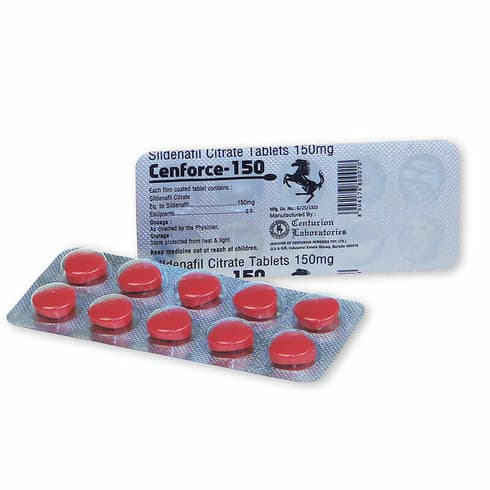
RUPharma🌐
Sildenafil
Research
- 2000first citedPharmacokinetic-pharmacodynamic consequences and clinical relevance of cytochrome P450 3A4 inhi…
- 2002meta-analysisSildenafil for male erectile dysfunction: a systematic review and meta-analysis
- 2019most recentThe Serendipitous Story of Sildenafil: An Unexpected Oral Therapy for Erectile Dysfunction
- 1.The Serendipitous Story of Sildenafil: An Unexpected Oral Therapy for Erectile Dysfunction
- 2.Sildenafil for male erectile dysfunction: a systematic review and meta-analysis
- 3.Direct comparison of tadalafil with sildenafil for the treatment of erectile dysfunction: a systematic review and meta-analysis
- 4.Sildenafil citrate therapy for pulmonary arterial hypertension.
- 5.PDE-5 inhibitors: clinical points.
- 6.Pharmacokinetic-pharmacodynamic consequences and clinical relevance of cytochrome P450 3A4 inhibition.
6 listed here; entry last updated August 2026
Reviews
My notesprivate to this device
FAQ
How does sildenafil work?
It inhibits PDE5, which enhances nitric oxide signaling and relaxes blood vessels to improve blood flow. Sexual stimulation is still needed for it to work.
Why take it before a meal?
A large fatty meal can slow absorption and delay onset. Taking it on a lighter stomach may give a quicker effect.
How long does it last?
It is relatively short-acting, generally a few hours. Tadalafil, by contrast, lasts much longer.
Why can it not be combined with nitrates?
Both lower blood pressure through nitric oxide pathways, so combining them can cause a dangerous drop. This combination should be avoided.
Adverse effects
- headache and facial flushing
- nasal congestion and indigestion
- temporary visual changes such as a bluish tint
- dangerous drop in blood pressure if combined with nitrates