
spec sheet13 rows
Disulfiram, sold under the brand name Antabuse, is a medication used to help people with alcohol use disorder stay abstinent. It works not by reducing craving but by causing an unpleasant physical reaction whenever alcohol is consumed, thereby discouraging drinking. Disulfiram blocks an enzyme that normally clears acetaldehyde, a toxic breakdown product of alcohol, so that even small amounts of alcohol trigger flushing, nausea, and other uncomfortable symptoms. Approved in the early 1950s, it is a prescription-only drug and is generally regarded as a second-line treatment behind newer medicines.
- makes drinking genuinely unpleasant; a wall, not a nudge
- for people who have decided to quit and want that wall there
- seventy years of clinical use behind every tablet
- one small tablet a day, no complicated schedule
- a single dose keeps working for days
- works best when someone watches the dose go down
- Causes a strong, unpleasant reaction if any alcohol is consumed
- May cause drowsiness, a metallic taste, or skin rash
- Uncommonly can affect the liver, so monitoring is advised
Overview
Disulfiram is an alcohol-deterrent medication, a drug that discourages drinking by making the consumption of alcohol unpleasant [2]. Its usefulness in alcoholism was discovered by chance: workers in the rubber industry who were exposed to the chemical became ill when they later drank alcohol, and in the 1940s Danish researchers investigated the effect and developed it into a treatment [2]. It was approved for medical use in the United States in 1951 and is marketed under the name Antabuse [1].
The drug's action depends on the way the body breaks down alcohol. Ethanol is first converted to acetaldehyde, a toxic substance that is normally cleared quickly by the enzyme aldehyde dehydrogenase [2]. Disulfiram blocks this enzyme, so that when a person taking it drinks even a small amount of alcohol, acetaldehyde builds up and produces the so-called disulfiram-ethanol reaction, with flushing, throbbing headache, nausea, vomiting, sweating, and a rapid heartbeat [2]. The prospect of this reaction is what deters drinking.
Disulfiram is used as part of the treatment of alcohol use disorder, generally alongside counseling and psychosocial support [1]. It is usually considered a second-line option, after medications such as naltrexone and acamprosate, and its effectiveness depends heavily on the person actually taking it [1]. A systematic review of controlled trials found that supervised disulfiram treatment, in which someone oversees each dose, had some benefit for short-term abstinence and time to relapse compared with placebo or other approaches, whereas unsupervised use was less convincing [2]. Because the drug relies on the threat of an unpleasant reaction, adherence is the main obstacle to its success [1].
Beyond alcoholism, disulfiram has drawn scientific interest for possible repurposing in other diseases; laboratory research has reported that a copper-bound product of the drug can interfere with protein-processing machinery in cancer cells, and it has been explored in cancer, certain infections, and other conditions [3]. Disulfiram is a prescription-only medicine, taken as an oral tablet [1]. It can cause side effects of its own, including drowsiness, a metallic taste, and, uncommonly, liver injury or nerve damage, and people taking it must avoid all sources of alcohol, including some found in foods, medicines, and personal-care products [2].

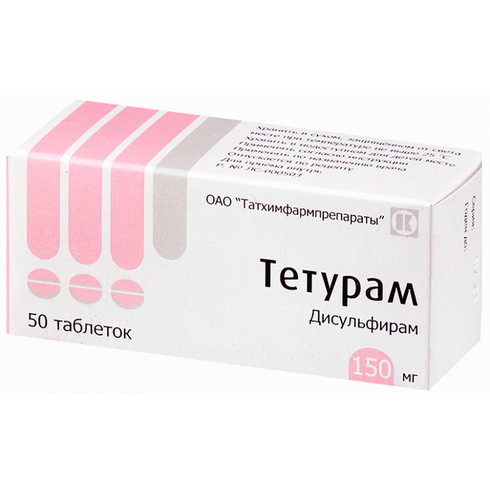
- Disulfiram's medical use traces back to rubber-factory workers who discovered they became violently ill after drinking alcohol on the job.
- A 2017 Nature study identified the protein NPL4, a partner of the cellular 'segregase' p97, as the target through which a copper complex of the drug appears to attack cancer cells.
- It was one of the first medications ever approved for treating alcohol use disorder, reaching the market in 1951.
Mechanism
Disulfiram acts chiefly as an irreversible inhibitor of aldehyde dehydrogenase, the enzyme responsible for the second step of alcohol metabolism [2]. When alcohol is consumed, it is oxidized to acetaldehyde; by disabling the enzyme that normally removes acetaldehyde, disulfiram allows this toxic intermediate to accumulate to levels many times higher than usual, producing the characteristic aversive reaction [2]. The drug also inhibits beta-hydroxylase, the enzyme that converts dopamine to , an action that has prompted study of disulfiram in cocaine dependence [1]. Its investigational anticancer activity is attributed to a different route, in which a complexed with copper disrupts a cellular pathway that cancer cells rely on to dispose of unwanted proteins [3].
receptor fingerprint
Aldehyde dehydrogenase (ALDH)inhibits
Acetaldehyde metabolismblocks
beta-hydroxylaseinhibits
Hepatic CYP enzymesinhibits
Alcohol reward and reinforcementmodulates
Dosingtypical ranges, not medical advice
interested in protocols and clinical dosages? make an account to see them! ^_^
Safetyrisks and cautions, not medical advice
This is a prescription drug and must never be started until a person has been alcohol-free for at least 12 hours. The deliberate alcohol reaction can be severe, and in vulnerable people it can be dangerous, so it is avoided in significant heart disease. Even hidden alcohol in foods, medicines, or skin products can trigger it. On its own, disulfiram can cause drowsiness, a metallic taste, and, rarely, serious liver injury or nerve damage with long use, so liver tests are monitored. It interacts with metronidazole, warfarin, phenytoin, and isoniazid among others, and should not be combined with alcohol in any form.
Interactionsdocumented pairs only, not exhaustive
Disulfiram produces severe interactions with alcohol consumption. When ethanol is ingested during disulfiram therapy, the drug inhibits aldehyde dehydrogenase, leading to acetaldehyde accumulation and a potentially life-threatening reaction characterized by facial flushing, tachycardia, hypotension, nausea, vomiting, and in severe cases, hemodynamic instability or cardiovascular collapse [4]. Symptoms typically emerge within 15 to 30 minutes of alcohol ingestion and can persist for several hours.
The severity of this reaction correlates with both the dose of disulfiram and the amount of alcohol consumed; case reports document shock states requiring vasopressor support following even modest alcohol exposure in patients on therapeutic disulfiram doses [4]. Importantly, alcohol-containing medications, foods, and beverages (including some mouthwashes and cough syrups) can trigger this reaction, so patients must be thoroughly counseled to avoid all ethanol sources [5]. Additionally, disulfiram may interact with certain nitroimidazole antimicrobials; while metronidazole has long been thought to produce a disulfiram-like reaction with alcohol, recent evidence suggests this interaction is less clinically significant than historically believed [6].
Checking a whole stack? Run it through interactions + stacks.
History
Disulfiram's therapeutic use was born of an accidental observation: in the 1930s and 1940s, workers at a rubber factory exposed to the compound, which was used in rubber manufacturing, became ill when they drank alcohol. Danish researchers Erik Jacobsen and Jens Hald investigated this effect in the late 1940s, reportedly after experiencing the reaction themselves while testing the substance for other purposes, and recognized its potential to deter drinking.
The drug was introduced as an alcohol-aversion treatment under the brand name Antabuse and approved in the United States in 1951, making it one of the first medicines for alcohol use disorder. For decades it remained a mainstay of aversion therapy, working by allowing toxic acetaldehyde to accumulate when alcohol is consumed. In the modern era it has drawn renewed scientific attention as a candidate for drug repurposing, most notably after a 2017 study in Nature identified a molecular target underlying its long-observed anticancer activity.
Reputation
Disulfiram occupies a respected if specialized place in addiction medicine as the original alcohol-deterrent drug, valued for a mechanism that is straightforward and, for motivated patients with good supervision, genuinely effective. It is generally regarded today as a second-line option behind newer medicines that reduce craving, since its success depends heavily on adherence and the patient's commitment to abstinence. Beyond addiction, it has become a favorite subject of drug-repurposing research, with laboratory and epidemiological findings suggesting intriguing anticancer potential that continues to be investigated. Clinicians emphasize that patients must scrupulously avoid all alcohol, including hidden sources, because the reaction can be severe. Its blend of a colorful origin story, a clear mechanism, and promising new avenues keeps it a compound of enduring interest.
Subjective profileweighing the evidence above
It works, but only for someone who genuinely wants to stop and will accept a drug that punishes drinking rather than reducing the wish to drink; supervised dosing is what makes it succeed. Prescription only, liver monitored, and hidden alcohol in foods and skin products counts.
Where to buy
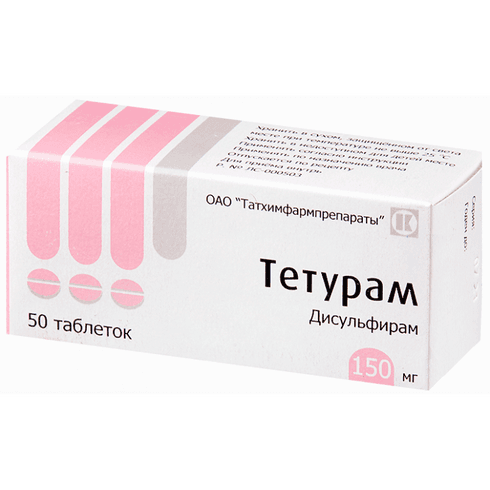
1 other outlet

Suppliers
Vendors carrying Disulfiram, with live product details and codes. Links are affiliate links that support the wiki at no cost to you.
PCT.Zone
Disulfiram
RUPharma🌐
Disulfiram
Research
- 2011first citedThe efficacy of disulfiram for the treatment of alcohol use disorder
- 2026most recentRevisiting the Disulfiram-Like Reaction Between Alcohol and Oral Metronidazole.
- 1.Diagnosis and Pharmacotherapy of Alcohol Use Disorder: A Review
- 2.The efficacy of disulfiram for the treatment of alcohol use disorder
- 3.Alcohol-abuse drug disulfiram targets cancer via p97 segregase adaptor NPL4
- 4.Acute Ethanol-Disulfiram Reaction Presenting With Hemodynamic Instability: A Case Report.
- 5.Recognition of a disulfiram ethanol reaction in the emergency department is not always straightforward.
- 6.Revisiting the Disulfiram-Like Reaction Between Alcohol and Oral Metronidazole.
6 listed here; entry last updated August 2026
Reviews
My notesprivate to this device
FAQ
What happens if I drink on it?
Even a small amount of alcohol can bring on flushing, nausea, vomiting, headache, and a racing heart within minutes; that reaction is the whole point of the drug.
How long after stopping is it safe to drink?
The effect can linger up to about two weeks, so alcohol should be avoided for at least that long after the last dose.
Does it reduce cravings?
No; it does not touch cravings. It works purely by making drinking unpleasant, so motivation and support still matter.
Do I need to avoid anything besides drinks?
Yes; hidden alcohol in mouthwash, cologne, hand sanitizer, vinegars, and some sauces or medicines can also set off a reaction.
Will my liver be checked?
Usually yes; because rare liver injury can occur, doctors often check liver enzymes before and during treatment.
Adverse effects
- Causes a strong, unpleasant reaction if any alcohol is consumed
- May cause drowsiness, a metallic taste, or skin rash
- Uncommonly can affect the liver, so monitoring is advised
Notes and cautions
- All sources of alcohol, including some foods and medicines, must be avoided