
spec sheet14 rows
Atomoxetine is a selective norepinephrine reuptake inhibitor used to treat attention deficit hyperactivity disorder (ADHD) in children, adolescents, and adults. Unlike stimulant ADHD medications, it is not a controlled substance and carries essentially no potential for misuse, since it does not produce euphoria. Developed by Eli Lilly and approved in the United States in 2002 under the brand name Strattera, it works by blocking the norepinephrine transporter and is usually considered a second-line option after stimulants.
- Steady focus that lasts all day
- Zero stimulant buzz, zero euphoria
- Dials down impulsivity
- Calmer attention without the edge
- Non addictive support built for ADHD
- Reduced appetite
- Nausea or stomach upset
- Fatigue or drowsiness
Overview
Atomoxetine is a non-stimulant medication for ADHD, classed as a selective norepinephrine reuptake inhibitor. [1] It was the first non-stimulant drug approved specifically for ADHD, offering an alternative for people who cannot tolerate stimulants, do not respond to them, or where a non-controlled medicine is preferred.
Unlike a stimulant, its therapeutic effect builds gradually over several weeks rather than acting within hours. [3] Beyond ADHD it has been studied for related conditions, and comparative reviews consistently show it improves core ADHD symptoms more than placebo in both children and adults, while being modestly less effective on average than stimulant medications. [1][2]
Atomoxetine was developed by Eli Lilly and Company and approved by the US Food and Drug Administration in 2002. [3] A key practical distinction from stimulants is its legal status: because it has no appreciable misuse or dependence potential, it is not a scheduled controlled substance, which simplifies prescribing and refills. [4] Generic versions became available after the patent expired.
A large network meta-analysis of ADHD medications found atomoxetine clearly outperformed placebo on clinician-rated symptoms, though stimulants such as methylphenidate and the amphetamines generally showed larger effects. [1] A separate meta-analysis focused on non-stimulants in adults reached the same conclusion, ranking atomoxetine among the effective non-stimulant options. [2]
Common side effects include reduced appetite, nausea, stomach upset, fatigue, and small increases in heart rate and blood pressure. [3] Regulators require a boxed warning about a small increased risk of suicidal thoughts in children and adolescents, and rare liver injury has been reported. Its clearance depends on the liver enzyme CYP2D6, so people who metabolize it slowly may have stronger effects and more side effects. It is a prescription-only oral medicine taken as capsules.
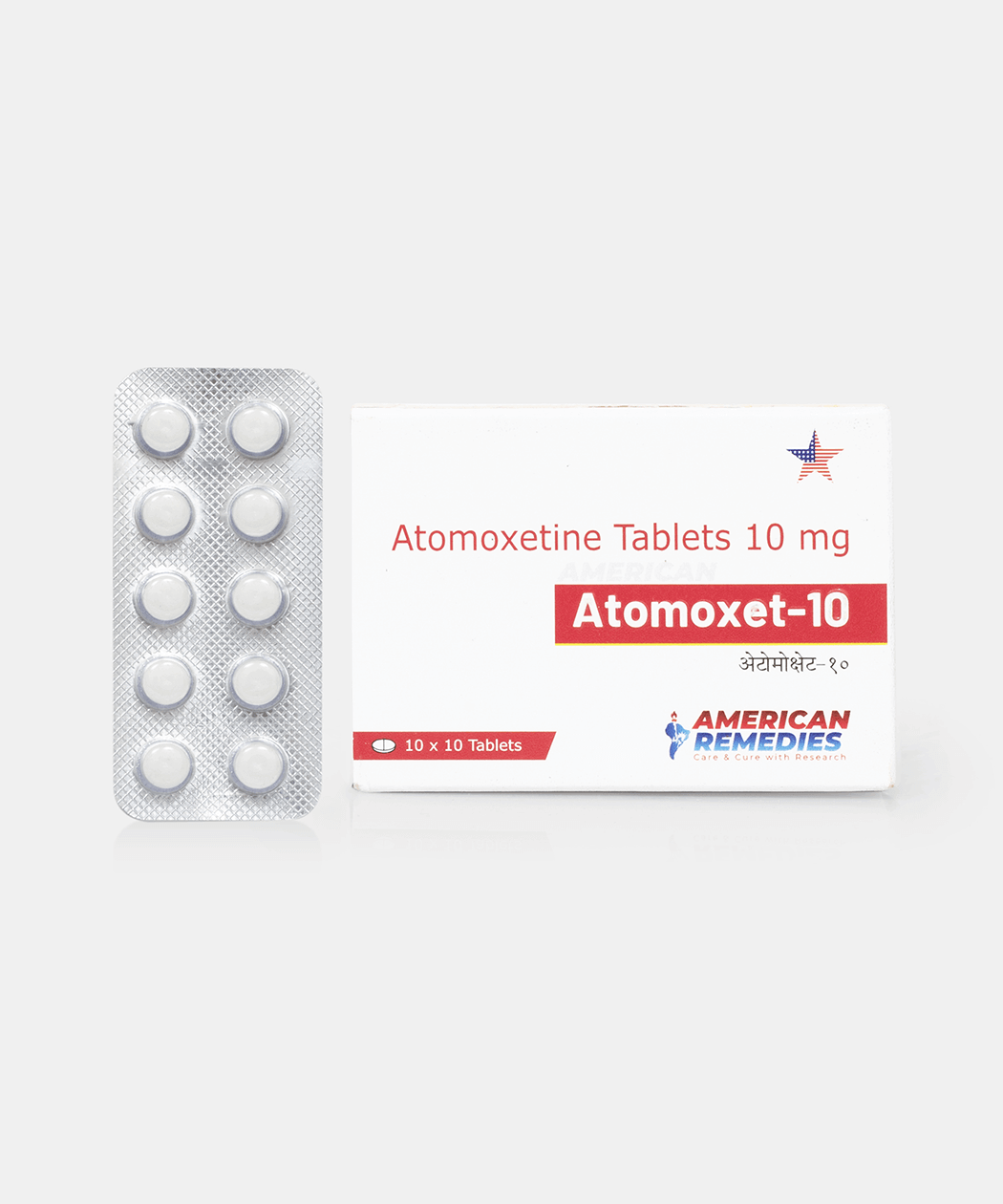

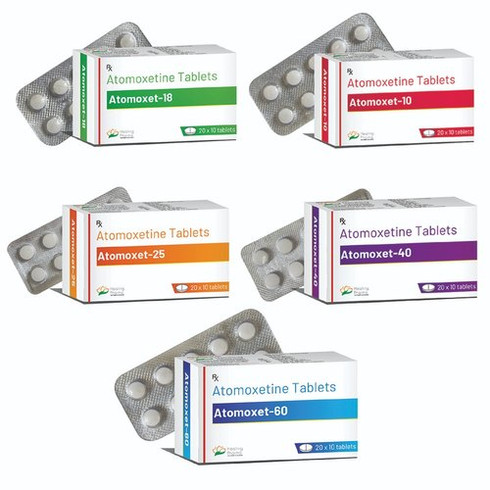
- Atomoxetine began life as a failed antidepressant candidate named tomoxetine before being repurposed into the first non-stimulant ADHD medication.
- In the prefrontal cortex it raises dopamine as well as norepinephrine, yet it barely touches dopamine in the reward-related striatum, which is why it produces no euphoria and carries essentially no misuse potential.
Mechanism
Atomoxetine selectively inhibits the presynaptic transporter (NET), the protein that normally recycles the neurotransmitter norepinephrine back into nerve terminals. [1] By blocking this reuptake it raises levels in the synapses between neurons.
In the prefrontal , a brain region important for attention and impulse control, is also cleared largely through the transporter, so atomoxetine indirectly increases dopamine there as well; unlike stimulants, it does not meaningfully raise dopamine in reward-related regions such as the striatum, which is thought to explain its lack of euphoria and low misuse potential. [4] Because it works by steadily adjusting neurotransmitter tone rather than causing an acute surge, its clinical benefit in ADHD develops over a few weeks of continued use. [3] The drug is metabolized by the liver enzyme CYP2D6, and genetic differences in this enzyme affect how quickly it is cleared. [3]
receptor fingerprint
transporter (NET)selective inhibitor
Prefrontal (via NET)raises
ADHD symptomsreduces
Dosingtypical ranges, not medical advice
interested in protocols and clinical dosages? make an account to see them! ^_^
Safetyrisks and cautions, not medical advice
Atomoxetine is non-addictive and can be stopped without the rebound or withdrawal you get from stimulants, which is a big part of its appeal, but it is a prescription medication with a real side-effect profile. Common complaints are nausea, reduced appetite, dry mouth, dizziness, fatigue, and sleep changes; in adults, urinary hesitancy and erectile dysfunction can show up, and it tends to nudge heart rate and blood pressure up modestly. It carries a boxed warning for increased suicidal thinking in children and adolescents, so mood should be watched early on, and there are rare reports of liver injury. It is processed by CYP2D6, so strong inhibitors of that enzyme (fluoxetine, paroxetine, bupropion) and poor-metabolizer genetics raise blood levels considerably; it should not be combined with MAO inhibitors. Use caution with existing heart or blood-pressure conditions.
Interactionsdocumented pairs only, not exhaustive
The atomoxetine (Strattera) label contraindicates use with monoamine oxidase inhibitors and within 14 days of stopping one, because of the risk of serious, sometimes fatal, noradrenergic reactions resembling serotonin syndrome. Atomoxetine is metabolized primarily by CYP2D6, so strong CYP2D6 inhibitors such as paroxetine, fluoxetine, and quinidine substantially raise its plasma concentrations and may require dose adjustment; CYP2D6 poor metabolizers show similarly elevated exposure. The label also warns about additive cardiovascular effects with pressor agents and other sympathomimetics, including potential blood-pressure and heart-rate increases, and about additive QT prolongation with drugs that prolong the QT interval. This is research information, not medical advice.
Checking a whole stack? Run it through interactions + stacks.
History
Atomoxetine was first synthesized by Eli Lilly in the 1980s and was originally investigated, under the name tomoxetine, as a candidate antidepressant; it did not prove competitive for depression and was set aside. Researchers later recognized that its selective enhancement of noradrenergic signaling was well suited to attention deficit hyperactivity disorder, and it was redeveloped for that purpose. In November 2002 the U.S. Food and Drug Administration approved it under the brand name Strattera, making it the first non-stimulant medication approved for ADHD and the first drug of any kind approved in the United States for ADHD in adults. Because it is not a controlled substance, it filled a distinct niche among ADHD treatments from the outset.
Reputation
Atomoxetine is well regarded as a dependable, non-stimulant option, valued especially by clinicians and patients who want steady, around-the-clock symptom coverage without the peaks, troughs, or abuse potential of stimulants. Large network meta-analyses consistently place it among the effective ADHD pharmacotherapies, even if its average effect size sits somewhat below that of the stimulants. It is frequently chosen for people with co-occurring anxiety or tic disorders, or where a controlled substance is undesirable. Its main practical caveat, widely acknowledged, is that benefit builds gradually over several weeks rather than appearing on the first dose.
Subjective profileweighing the evidence above
A reasonable first choice for ADHD when stimulants are a poor fit, since it covers the whole day with no euphoria, no controlled-substance script and no rebound on stopping. It takes weeks to build, brings appetite loss and fatigue, and carries a boxed warning for suicidal thoughts in young people.
Where to buy

Suppliers
Vendors carrying Atomoxetine, with live product details and codes. Links are affiliate links that support the wiki at no cost to you.
| supplier | size | price | $/mg |
|---|---|---|---|
| PCT.Zonelowest | 25MG | $3.91 | $0.156/mg |
| PCT.Zone | 10MG | $1.65 | $0.165/mg |
| PCT.Zone | 40MG | $6.61 | $0.165/mg |

PCT.Zone
Atomoxetine
PCT.Zone
Atomoxetine
PCT.Zone
Atomoxetine
RUPharma🌐
Atomoxetine
Research
- 2002first citedNovel treatments for attention-deficit/hyperactivity disorder in children
- 2018meta-analysisComparative efficacy and tolerability of medications for attention-deficit hyperactivity disord…
- 2025most recentComparative efficacy and acceptability of pharmacological, psychological, and neurostimulatory…
- 1.Comparative efficacy and tolerability of medications for attention-deficit hyperactivity disorder in children, adolescents, and adults: a systematic review and network meta-analysis
- 2.Nonstimulant Medications for Attention-Deficit/Hyperactivity Disorder (ADHD) in Adults: Systematic Review and Meta-analysis
- 3.Atomoxetine.
- 4.Novel treatments for attention-deficit/hyperactivity disorder in children
- 5.Atomoxetine increases extracellular levels of norepinephrine and dopamine in prefrontal cortex of rat: a potential mechanism for efficacy in attention deficit/hyperactivity disorder
- 6.The Mechanism, Clinical Efficacy, Safety, and Dosage Regimen of Atomoxetine for ADHD Therapy in Children: A Narrative Review
- 7.Atomoxetine Treatment Strengthens an Anti-Correlated Relationship between Functional Brain Networks in Medication-Naïve Adults with Attention-Deficit Hyperactivity Disorder: A Randomized Double-Blind Placebo-Controlled Clinical Trial
- 8.Atomoxetine in adults with ADHD: two randomized, placebo-controlled studies
- 9.A randomized, waiting list-controlled 12-week trial of atomoxetine in adults with ADHD
- 10.An 8-week, randomized controlled trial of atomoxetine, atomoxetine plus buspirone, or placebo in adults with ADHD
- 11.Efficacy and Safety of Atomoxetine Hydrochloride in Asian Adults With ADHD
- 12.Atomoxetine in comorbid ADHD/PTSD: A randomized, placebo controlled, pilot, and feasibility study
21 listed here; entry last updated August 2026
Reviews
My notesprivate to this device
FAQ
What is Atomoxetine used for?
It is a non-stimulant medication used to treat ADHD and support steady focus.
How does Atomoxetine work?
It is a norepinephrine reuptake inhibitor, raising norepinephrine to improve attention without stimulant effects.
Is Atomoxetine well-researched?
It is an approved ADHD medication with solid clinical trial support.
What are the main side effects?
Common effects include nausea, reduced appetite, dry mouth, and a modest rise in heart rate.
Adverse effects
- Reduced appetite
- Nausea or stomach upset
- Fatigue or drowsiness
- Small rise in heart rate and blood pressure
- Boxed warning for suicidal thoughts in youth
- Rare liver injury
Notes and cautions
- Effects build over weeks rather than immediately